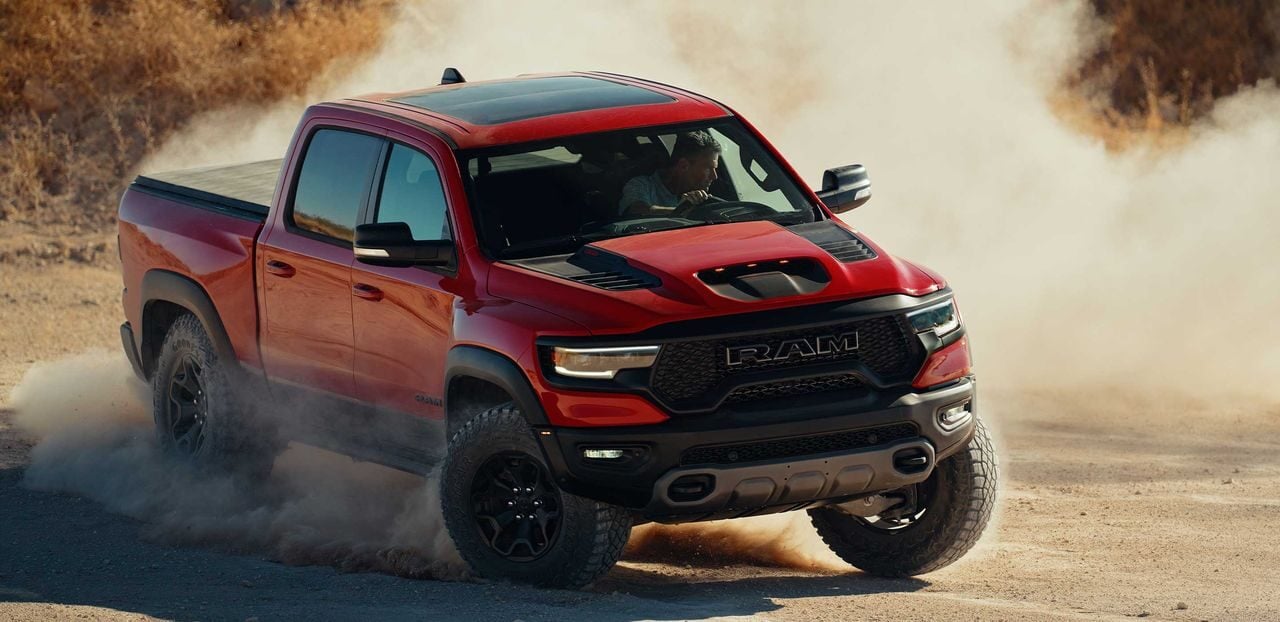
Charles R. Goulding and Preeti Sulibhavi explore how a Texas manufacturer is using 3D printing and carbon fiber to secure the digital dashboards of the off-road world.
When you climb into a modern off-road vehicle, you’re as likely to see a cockpit of screens as you are a steering wheel. Phones, tablets, GPS units, GoPros, GMRS mics, and radar detectors now travel wherever drivers go. For many enthusiasts, especially those who live out of their vehicles while overlanding, those devices need secure, well-engineered homes. That’s where 67 Designs, a Dallas, Texas–based manufacturer, has carved out a unique niche — producing premium, American-made mounting systems that blend traditional machining with advanced additive manufacturing.
Founded in 2012 by engineer and entrepreneur Gavin Stener, 67 Designs was born from a frustration familiar to many adventurers: an endless search for a phone mount that could survive the brutal conditions of off-road driving. Stener couldn’t find a product that matched the build quality he expected — so he built one himself. A decade later, 67 Designs has grown into a recognized name across the “land, sea, and air” segments, serving everyone from Jeep and Bronco owners to pilots and marine operators. Their mission is simple and clear: make the best mounting systems possible, in the United States, using real materials and solid engineering.
A Market That Lives in Motion
The company’s focus sits squarely on a growing market of off-road and recreational users who spend serious time inside their vehicles. These are not passive commuters — they are explorers, campers, overlanders, and professional users who need their devices to stay put across miles of washboard trails and shifting terrain. 67 Designs spotted that demand early and built its brand around it.
The firm’s tagline — “For Land, Sea & Air™” — reflects how wide that audience has become. Their systems show up in Jeep Wranglers, Ford Broncos, Ram Trucks, Cessna cockpits, and on ocean vessels. What unites those customers is an obsession with control, organization, and durability. They don’t want cluttered dashboards or flimsy suction cups. They want mounts that look engineered, feel solid, and work every time.
Building an Ecosystem of Secure Mounting
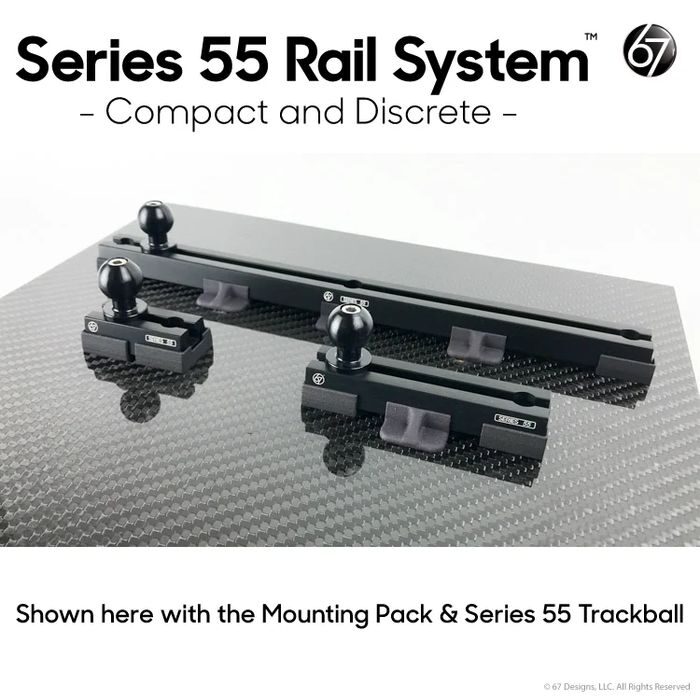
67 Designs’ product catalog centers on a modular mounting architecture that mixes Series 55™ aluminum rails, carbon-fiber arms, and a variety of device holders and base systems. The rail acts as the foundation — machined from matte-black anodized aircraft-grade aluminum, offered in multiple lengths, and designed to bolt cleanly into a vehicle’s dash or console. Onto that rail, customers can attach 20 mm trackballs, which then connect to arms and holders of varying sizes and styles.
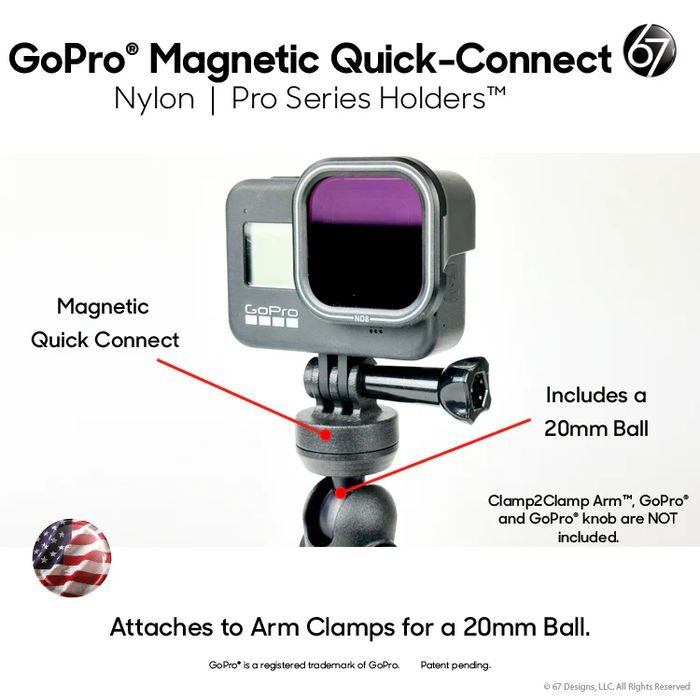
Those holders are where the system’s adaptability really shows. Users can select from wireless MagSafe phone mounts, universal spring-loaded clamps, GoPro-compatible bases, tablet holders, and even mounts for radios and microphones. Each connection point swivels and tightens via precision ball-and-socket joints, giving drivers a stable yet flexible configuration. The result is a cockpit that can house several devices without blocking visibility or cluttering the dash.
Beyond the hardware, the company also operates a manufacturing services division, offering contract design, CNC machining, additive manufacturing, finishing, and fulfillment to outside clients. That diversification shows how 67 Designs has evolved from a small accessories brand into a legitimate advanced-manufacturing outfit.
Additive Manufacturing at the Core
While carbon fiber and machined aluminum are their visual hallmarks, additive manufacturing has quietly become one of 67 Designs’ most important tools. The company runs an in-house Selective Laser Sintering (SLS) operation that it uses for product development, prototyping, and in many cases, production of finished parts.
According to Stener, additive manufacturing was integrated into the workflow from the beginning. The flexibility of SLS allows 67 Designs to prototype complex geometries overnight, test fitment on real dashboards, and iterate faster than would ever be possible with injection molding. But more interestingly, the company uses SLS for end-use components, especially low-volume or niche products that would be uneconomical to tool conventionally.
In one example featured by Formlabs, 67 Designs used its SLS systems to produce pitot tube covers for small aircraft — parts that needed to be lightweight, strong, and adaptable to different models. Traditional injection molds would have been cost-prohibitive for such limited production. Additive manufacturing turned that barrier into a non-issue.
This same principle applies to the off-road and adventure market. Many overlanders and vehicle builders modify their dashboards or require custom mounting geometry. By leveraging additive manufacturing, 67 Designs can create adapters, shims, or specialized brackets quickly without retooling. It’s a natural complement to their modular rail system, and it’s a big reason why they’ve been able to stay ahead of demand from enthusiasts who constantly want to tweak and customize.
Product Families for Specific Vehicles
While the company sells universal mounting systems, much of its popularity comes from vehicle-specific packs tailored to particular dashboards. These kits allow users to add multi-device rails and mounts that integrate seamlessly into the factory interior.
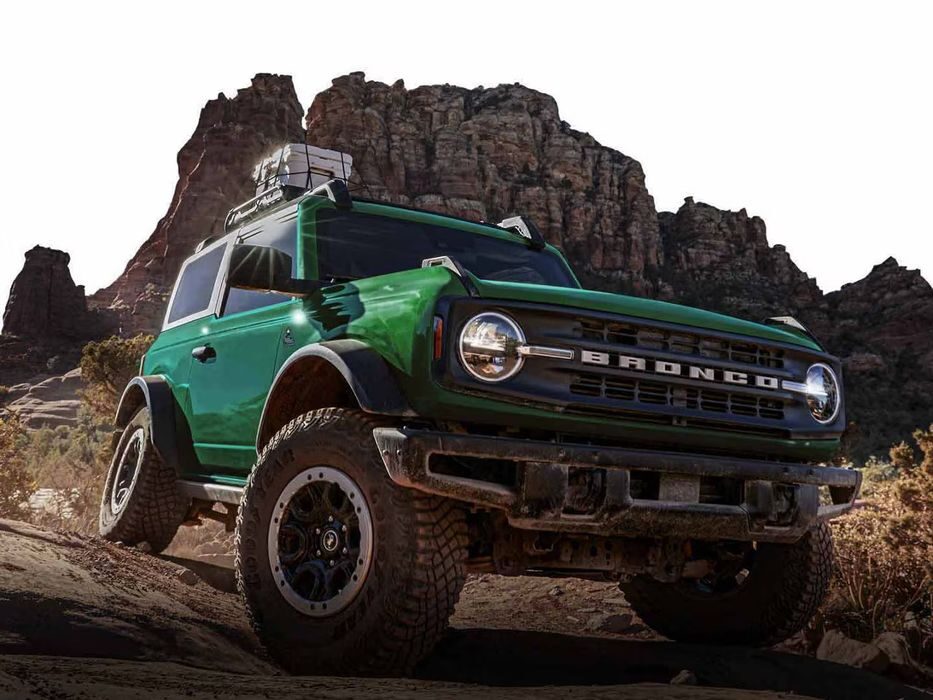
For Ford Bronco owners (2021 and newer), the BroncoRail™ Pack is one of the company’s signature products. Designed to fit discreetly within the Bronco’s dashboard, it supports up to seven device arms. The result is a clean, low-profile mounting bar that can hold everything from a phone and tablet to cameras and comms gear. Reviews from the Bronco community consistently praise its solid construction and subtle design — it feels like original equipment, not an aftermarket add-on. Installation takes approximately twenty minutes and requires minimal drilling, with the necessary hardware supplied.
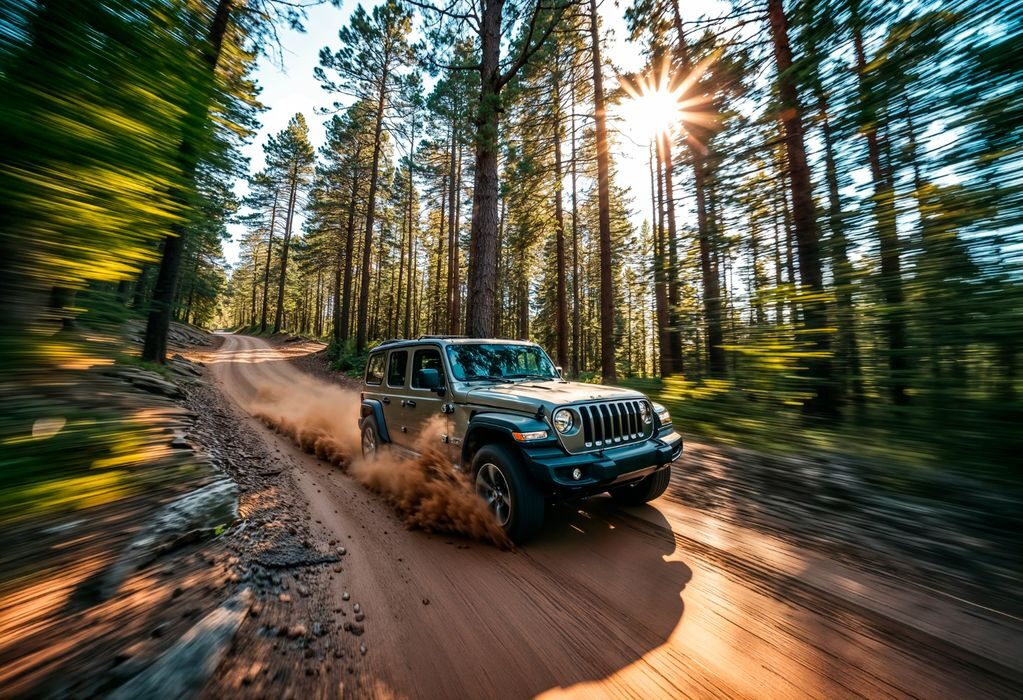
Jeep enthusiasts get equally refined solutions. The Series 55 Rail Packs for the Jeep Wrangler JL and Gladiator JT platforms come in several configurations: single-ball, dual-ball, or full-length rail bases that support multiple mounts. Versions are even optimized for the Jeep 4xe hybrid, ensuring dashboard indicators remain visible. Customers can start with a basic setup for one device and expand later with carbon-fiber arms and additional holders. The carbon-fiber construction isn’t just cosmetic — users note that it actually dampens vibration, keeping phones and tablets stable over rough terrain.
Truck and RV owners aren’t left out. The RamRail™ system for the Ram 1500/2500/3500/4500/5500 and TRX models (2019 and newer) fits neatly into the dash recess using existing factory fastener holes — no drilling required. It can hold up to four devices, providing professional-grade mounting for anyone from contractors to off-road racers. Each of these systems follows the same design language: black anodized metal, tight tolerances, and a visual restraint that fits in premium interiors.
Off-Road Proven, Built to Last
Durability is a recurring theme in everything 67 Designs makes. The company tests its mounts in real-world off-road conditions — the kind of abuse that rattles apart most consumer-grade accessories. The mix of carbon fiber, aircraft-grade aluminum, and high-strength nylon means these products can handle constant vibration, heat, dust, and moisture without failure.
Equally important is the modular design philosophy. Instead of forcing users into a fixed configuration, 67 Designs treats each mount as part of a system. Drivers can start with a simple phone holder and expand into a full cockpit of devices over time. The modularity also allows for replacement of individual components, reducing waste and improving longevity.
This design discipline, combined with local manufacturing, lets 67 Designs control quality and logistics. All aluminum parts are CNC-machined or tooled domestically, and injection-molded components come from U.S. suppliers. Additive manufacturing gives them additional flexibility to fill gaps, respond to market changes, and experiment with new geometries — all while keeping production in Dallas.
The Bigger Picture: Additive Manufacturing as a Competitive Edge
In the broader manufacturing context, 67 Designs illustrates how small-to-mid-sized American companies can use additive manufacturing not just as a prototyping tool but as a production advantage. Instead of relying on overseas suppliers or long lead times, they use SLS printing to iterate designs, validate parts, and deliver small-batch components in days. For a brand that serves a community obsessed with customization, that speed and adaptability are invaluable.
It also redefines what “Made in the USA” looks like in 2025. It’s not about nostalgia for old-school factories; it’s about agile, technology-driven production that can scale up or down without compromising quality. 67 Designs proves that a small, specialized manufacturer can compete globally by combining traditional craftsmanship with digital fabrication.
The Research and Development Tax Credit
The now permanent Research and Development (R&D) Tax Credit is available for companies developing new or improved products, processes, and/or software. 3D printing can help boost a company’s R&D Tax Credits. Wages for technical employees creating, testing, and revising 3D-printed prototypes can be included as a percentage of the eligible time spent on the R&D Tax Credit. Similarly, when used as a method of improving a process, time spent integrating 3D printing hardware and software counts as an eligible activity. Lastly, when used for modeling and preproduction, the costs of filaments consumed during the development process may also be recovered.
Whether it is used for creating and testing prototypes or for final production, 3D printing is a great indicator that R&D Credit-eligible activities are taking place. Companies implementing this technology at any point should consider taking advantage of R&D Tax Credits.
A Home for Every Device
For the end user — the person living out of a Jeep, piloting a Bronco across the desert, or spending weeks in a Ram-based overlanding vehicle — all this technology translates into one thing: confidence. A 67 Designs mount doesn’t just hold your phone; it organizes your workspace, protects your equipment, and keeps your attention where it belongs — on the trail ahead.
That may sound simple, but it’s the product of deep engineering and smart manufacturing choices. From its Dallas facility, 67 Designs has managed to merge carbon fiber, CNC machining, and additive manufacturing into a cohesive product ecosystem built for people who live on the move. In doing so, they’ve set an example for how American small manufacturing can thrive: by building better, not cheaper — and by embracing new technology without losing sight of craftsmanship.
For anyone who spends long hours behind the wheel, especially in the dirt, that’s an easy mission to get behind.