
Anthony Palumbo and Charles Goulding analyze Boston Scientific’s US$14.5 billion acquisition of Penumbra, showing how additive manufacturing can accelerate thrombectomy and neurovascular innovation through rapid device prototyping, micro-precision component development, production tooling, and the use of 3D printed vascular models for testing and physician training.
Introduction
Boston Scientific announced on January 15, 2026, that it reached an agreement to acquire Penumbra, Inc. for US$14.5 billion, a move that quickly drew attention across both the medical device sector and the 3D printing community. The deal, Boston Scientific’s second-largest takeover, positions the company to re-enter the neurovascular space while further broadening its cardiovascular device portfolio. Penumbra is a leading innovator in mechanical thrombectomy (clot-removing devices) and embolization technologies, categories that increasingly intersect with additive manufacturing (AM) through rapid prototyping, patient-specific models, and customized tooling.
This article provides a journalistic yet analytical look at the acquisition’s technological significance, with a specific focus on how 3D printing can support thrombectomy and vascular intervention development across the device lifecycle. This includes R&D prototyping and micro-scale component fabrication to production tooling, vascular phantoms, and training systems.
Deal Overview and Boston Scientific’s Strategy
Terms of the Acquisition
Boston Scientific (NYSE: BSX) will pay roughly US$374 per Penumbra share (a 19% premium), using a consideration mix of 73% cash and 27% stock. Penumbra’s equity is valued at US$14.5 billion, reflecting confidence in its growth, and the company is expected to generate about US$1.4 billion in 2025 revenue. Penumbra shareholders, including CEO Adam Elsesser, can elect cash or Boston Scientific stock for their shares. The transaction is slated to close in 2026, pending Penumbra shareholder approval and regulatory clearances.
Boston Scientific’s Rationale
Boston Scientific characterized the transaction as a major strategic win, describing it as a high-conviction step that strengthens its product mix and expands its addressable market. The acquisition fills a major gap in Boston Scientific’s portfolio by providing a scaled entry into mechanical thrombectomy and neurovascular devices, two fast-growing segments of the vascular market. More than a decade ago, Boston Scientific exited the neurovascular space by selling its stroke device unit to Stryker. In discussing the decision to return, management has indicated that entering neurovascular required a leading portfolio rather than a smaller foothold, which is what Penumbra provides.
Boston Scientific has also emphasized Penumbra’s operational maturity and experience, describing the company as well-established and supported by a high-performing team, and highlighting expected benefits from combining the organizations’ capabilities and values. Management has stated that the acquisition should enable broader global access to Penumbra’s vascular technologies by leveraging Boston Scientific’s existing commercial scale. Over time, Boston Scientific expects Penumbra’s products to contribute positively to revenue growth and margins.
Cardiovascular Focus
The deal aligns with a broader medtech trend of expanding cardiovascular franchises amid rising rates of vascular disease in an aging population. Cardiovascular diseases remain the leading cause of death worldwide. Penumbra’s devices address critical conditions including ischemic stroke, pulmonary embolism, deep vein thrombosis, acute limb ischemia, heart attack, and aneurysms. By acquiring Penumbra, Boston Scientific is doubling down on therapies for blood clots and vessel blockages, an area of high clinical need and strong demand. Notably, competitor Stryker made a similar move by acquiring Inari Medical (another thrombectomy specialist) in 2025. Boston Scientific’s leadership believes adding Penumbra’s capabilities will bolster their cardiovascular offerings in both heart and peripheral vascular interventions, positioning the company to compete in stroke care and beyond.
Penumbra’s Technologies: Thrombectomy and Embolization Leaders
Penumbra (NYSE: PEN) has built a reputation as one of the world’s leading thrombectomy companies. The firm develops minimally invasive devices that physically remove or treat blood clots in vessels, restoring blood flow in emergencies such as stroke or pulmonary embolism. Its flagship mechanical thrombectomy systems, branded under the Lightning family, use vacuum aspiration assisted by intelligent algorithms to suction out clots quickly and safely.
Within this portfolio, Lightning Flash™ and Lightning Bolt™ are Penumbra’s advanced Computer Assisted Vacuum Thrombectomy (CAVT™) platforms for large-vessel clots. These systems pair powerful aspiration catheters with computer-guided feedback to detect blood flow and clot debris, helping physicians remove thrombus efficiently. Lightning Flash is Penumbra’s most powerful thrombectomy device (16 French caliber) designed for massive clots in venous and pulmonary circulation (such as large pulmonary emboli), while Lightning Bolt catheters (available in multiple sizes like 7F, 12F, etc.) are optimized for arterial clots and peripheral vessels. Together, Lightning Flash and Bolt systems enable interventionists to address clots across multiple vascular beds, from ischemic strokes in the brain to deep vein thromboses in the legs, using minimally invasive aspiration.
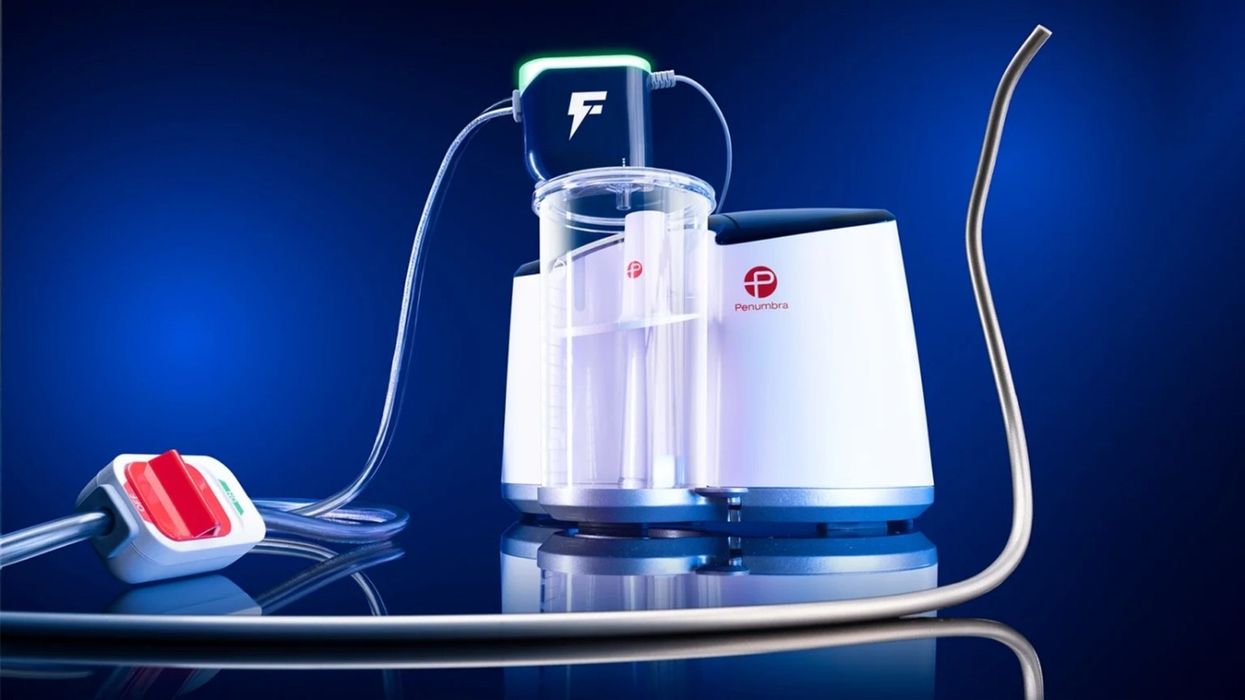
In addition to thrombectomy, Penumbra offers a peripheral embolization system designed to deliberately occlude blood vessels when needed. This technology is used to stop hemorrhaging or cut off blood supply to certain tissues (for example, blocking a vessel feeding a tumor or controlling internal bleeding). Penumbra’s embolization solutions likely include specialized delivery catheters and embolic agents (such as detachable coils or plugs) that can be placed precisely to clot off a vessel.
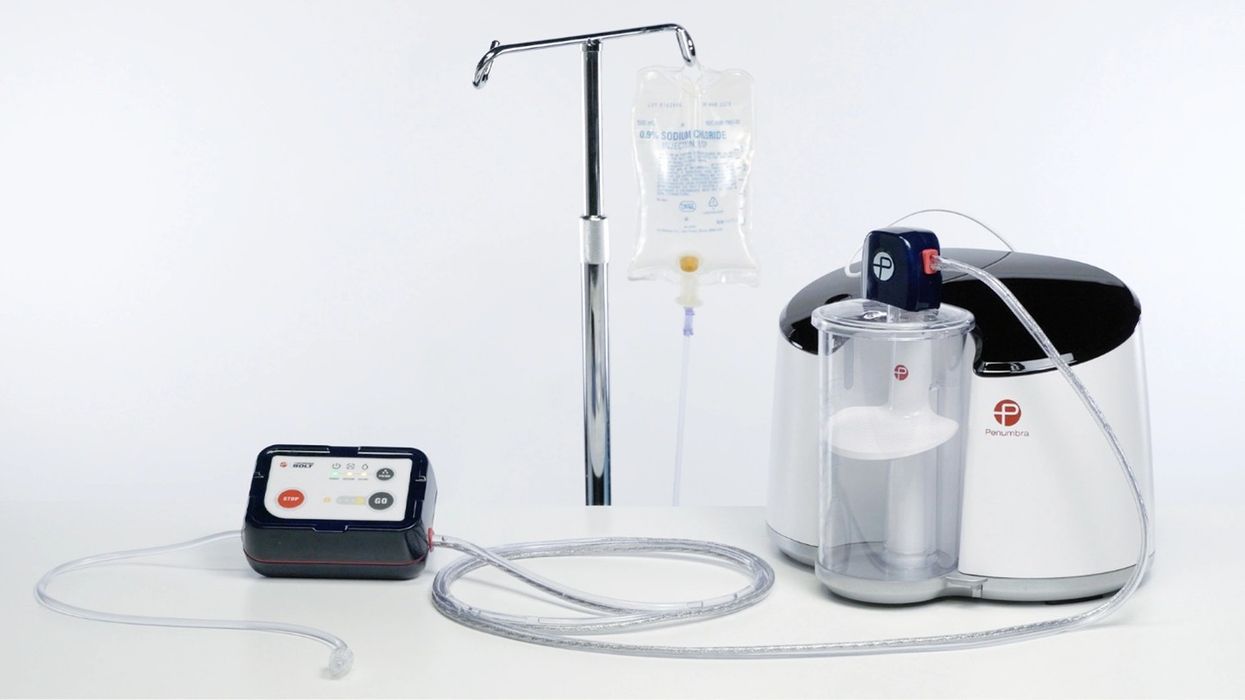
On the neurovascular front, Penumbra provides access devices, clot retrieval tools, and neuro-embolic coils for treating strokes and aneurysms. Its neurovascular portfolio includes suction thrombectomy systems for ischemic stroke (smaller catheters suitable for cerebral arteries) and coil or mesh devices to treat brain aneurysms and malformations. Penumbra has continually innovated in these areas, building clinical evidence for wider adoption of mechanical thrombectomy in stroke care. In summary, Penumbra brings Boston Scientific a broad suite of vascular intervention tech, from vacuum clot extractors to embolization coils, backed by a track record of growth and innovation.
Additive Manufacturing’s Emerging Role in Vascular Device Innovation
A key angle is how additive manufacturing (3D printing) intersects with the thrombectomy and embolization field. Modern vascular devices are highly complex: long, flexible catheters with intricate geometries, precision-molded hubs, console components with fluidics and electronics, and patient-specific anatomical considerations. Additive manufacturing is increasingly leveraged throughout the product lifecycle of such devices, from R&D prototyping to clinician training and manufacturing aids. Boston Scientific’s acquisition of Penumbra could amplify these opportunities by marrying Penumbra’s vascular expertise with Boston Scientific’s considerable 3D printing experience. Below, we explore several applications of 3D printing in this domain and concrete examples illustrating their impact.
Rapid Prototyping of Complex Devices
Speed R&D Iteration
The development of novel thrombectomy catheters and embolization tools often requires many design iterations to optimize performance in tortuous anatomy. 3D printing enables rapid prototyping of these complex components, compressing the design-build-test cycle dramatically. Engineers can CAD-model a new catheter tip or a thrombectomy pump housing and have a functional prototype in hand within days, rather than waiting weeks for traditional molds or machined parts. Boston Scientific is well-versed in this approach, and the company’s internal additive manufacturing team uses metal and polymer 3D printers to quickly create and test prototype components, reducing time from product concept to regulatory approval. By fabricating parts in-house with 3D printing, Boston Scientific can evaluate multiple design tweaks in parallel, accelerating innovation. This capability will likely benefit Penumbra’s R&D as they refine the next generation of Lightning thrombectomy systems or new clot-removal tools.
Micro-Precision and Novel Geometries
Importantly, 3D printing allows fabrication of geometries that are impractical or impossible with conventional machining or molding. Penumbra’s devices include fine features, for instance, internal channels in aspiration pumps or tiny valve mechanisms in their catheters’ clot aspiration sensors. Boston Scientific has invested in micro-3D printing technologies to address such needs. They collaborated with 3D MicroPrint to develop custom micro laser printers that can produce tiny metal parts with ultra-high resolution for medical devices. These printers build components with feature sizes of just a few microns, enabling intricate lattice structures or miniaturized parts for implants and catheter hardware. Boston Scientific has used micro additive manufacturing to create miniature components for pacemakers and other devices, achieving designs not feasible with casting or CNC. In the context of Penumbra’s portfolio, such micro-fabrication could be applied to refine the internal mechanisms of the Lightning aspiration pump or to prototype next-gen thrombectomy catheters with complex tip structures that optimize clot capture. The result is a faster development cycle and potentially more effective devices: engineers can iterate inventive designs, print them overnight, and immediately test performance in simulated vascular models.
Jigs, Fixtures, and Manufacturing Aids
Beyond prototypes, additive manufacturing also plays a behind-the-scenes role in production tooling. Custom jigs, fixtures, and assembly aids can be 3D printed to help manufacture medical devices more efficiently. For instance, holding fixtures that align tiny catheter components during assembly or testing can be tailored to a specific part geometry and printed on-demand. Boston Scientific has embraced this on its manufacturing floors. In fact, the company hosted internal programs (in partnership with Stratasys) to identify and build AM tooling and manufacturing aids that improve production efficiency and reduce costs. By printing complex fixtures in-house, Boston Scientific’s teams save the time and expense of machining tooling for low-volume or highly specialized tasks. As Penumbra’s operations integrate, Boston Scientific could extend these AM tooling practices to Penumbra’s device manufacturing. For example, if Penumbra needs a fixture to hold a curved catheter during a UV curing process, engineers can quickly design and print a precise holder rather than outsource an expensive machined jig. This agile manufacturing approach shortens production setup times and supports low-volume, high-mix product lines often seen in medical devices.
3D Printed Vascular Models for Testing and Training
Patient-Specific Vascular Phantoms
One of the most exciting applications of 3D printing in this field is the creation of lifelike vascular phantoms, which are replicas of human blood vessel networks used for device testing, simulation, and physician training. Using patient imaging data (CT or MRI scans), one can 3D print a model of, say, a person’s cerebral arteries or peripheral vasculature. These printed phantoms can be made with clear, flexible materials to mimic the feel of real vessels and are integrated into benchtop circulatory systems with fluid flow. 3D printing offers the ability to build geometrically accurate, patient-specific vascular phantoms that replicate complex human vessel anatomy within tens of microns of accuracy. Modern multi-material printers even allow use of materials that approximate the mechanical properties of arterial walls (e.g., compliance and elasticity), enabling realistic simulations of endovascular interventions. Researchers have demonstrated that these custom 3D printed models can be invaluable for benchtop experimentation, device testing, and hemodynamic studies, for example, evaluating how a clot removal device performs in a tortuous middle cerebral artery segment.
Academic studies back up the utility of 3D printed phantoms. In one Springer Nature study, University at Buffalo scientists created patient-specific neurovascular phantoms to simulate acute ischemic stroke treatment. They introduced artificial clots into 3D printed models of cerebral arteries and performed simulated thrombectomy procedures using stent retrievers, analyzing how factors like clot location and angulation affected success. Such experiments yield insights that can improve clinical techniques and device design. More broadly, the use of 3D printed vascular models for practice has been shown to improve interventional outcomes and reduce the risk of procedural complications by allowing clinicians to rehearse complex cases in advance. For a company like Penumbra, which has emphasized deep innovation for complex diseases in its leadership messaging, these phantoms offer a testbed to refine tools and support physician training. Penumbra or Boston Scientific could produce patient-specific models of challenging anatomy, such as an aneurysm in a highly tortuous cerebral artery, to test catheter navigation techniques or to help physicians rehearse thrombectomy workflows before treating a patient.
Simulation and Physician Training
Beyond in-house R&D, 3D printed vasculature plays an increasingly important role in training doctors for thrombectomy and embolization procedures. Removing a clot from the brain or lungs is a high-stakes, delicate procedure with a learning curve. To gain skills without risking patients, physicians turn to simulation labs. Some simulation platforms use physical 3D printed models of anatomy paired with pumps and imaging systems to create a realistic operating environment. For example, the HEARTROID medical training system provides lifelike heart and vascular models with a pulsatile pump, allowing interventional cardiologists and radiologists to practice procedures under real X-ray fluoroscopy. HEARTROID offers a dedicated neurovascular model that enables training on key neuro-interventional procedures such as thrombectomy for stroke (using stent retrievers) and coil embolization for aneurysms. Trainees can insert actual catheters into the 3D printed brain artery model, navigate to the clot or aneurysm, deploy devices like Penumbra’s stent retriever or embolization coil, and see the results on fluoroscopic imaging, all in a risk-free setting. The lesions in the model are replaceable and customizable, demonstrating the flexibility of 3D printing to simulate various pathologies.
Other systems take a digital route: virtual reality simulators like those from Mentice immerse physicians in a computer-generated angiography environment with haptic feedback. Mentice’s neurovascular simulation suite provides proficiency-based training for stroke thrombectomy, including complex skills such as navigating tri-axial catheter systems through tortuous cerebral arteries. The user manipulates real catheter controllers that translate into virtual instruments moving inside a patient-specific vasculature model on screen. Performance metrics and immediate feedback are provided to accelerate learning. While VR simulations don’t physically use 3D printed parts during the session, they often rely on anatomical data and can be complemented by 3D printed vascular replicas for tactile experience. In practice, some training programs combine physical models such as HEARTROID with VR environments such as Mentice to build both hands-on and decision-making proficiency.
The additive manufacturing link here is that 3D printing enables the creation of sophisticated physical simulators and patient-derived models that closely resemble real anatomy. Companies in the thrombectomy space have an interest in supporting such training tools because increasing physician proficiency can improve outcomes and accelerate adoption of thrombectomy and embolization workflows. Following the merger, Boston Scientific could expand simulation offerings, including partnerships that provide 3D printed vascular models to medical centers. This approach is consistent with Boston Scientific’s prior use of 3D printing for urgent healthcare needs. During the COVID-19 PPE shortage, Boston Scientific supported the open-source Pneumask effort, which repurposed snorkeling masks into reusable respirators via custom 3D printed adapters. In a training context, Boston Scientific’s resources could similarly help disseminate high-fidelity 3D printed education tools for endovascular procedures worldwide.
Boston Scientific’s Global Scale and AM Expertise: Potential Synergies
One of the compelling aspects of this acquisition is the synergy between Penumbra’s cutting-edge devices and Boston Scientific’s global scale and additive manufacturing (AM) expertise. Boston Scientific is a US$50+ billion market-cap medtech giant with nearly 55,000 employees and operations in over 40 countries. It brings massive distribution channels, regulatory experience, and manufacturing muscle. This means Penumbra’s devices, which are currently used in 100+ countries but are still building market penetration, could see much faster global adoption under Boston Scientific’s umbrella. Boston Scientific can plug Penumbra’s thrombectomy products into its worldwide sales and physician training networks. For example, Boston Scientific has strong relationships with cath labs and hospital systems for its cardiology and peripheral stent business; now those same channels can be leveraged to sell Penumbra’s stroke devices and blood clot removal systems. Greater market access could drive higher case volumes for Penumbra’s technologies, ultimately benefiting more patients as Mahoney has indicated in related statements.
Table 1.
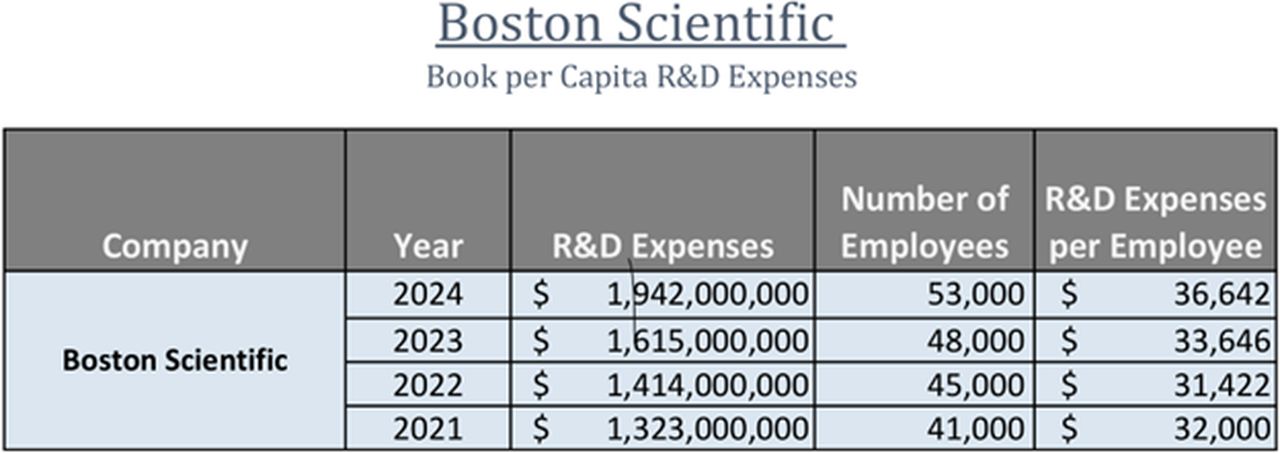
From a technology development perspective, Boston Scientific’s in-house AM capabilities provide a support system for Penumbra’s ongoing innovation. Boston Scientific is already using 3D printing across multiple plants worldwide. The two companies’ R&D teams, once combined, can share knowledge and tools for rapid prototyping, micro-fabrication, and design for additive. Penumbra’s engineers could tap into Boston Scientific’s expertise with metal 3D printing to develop new micro-scale components for catheters or pumps with higher precision. Boston Scientific’s partnership with 3D MicroPrint led to custom printers for tiny parts, and Penumbra could apply comparable micro-fabrication capabilities to miniaturize elements of its thrombectomy system or to develop next-generation embolization coils with complex lattice structures for improved embolic performance. Boston Scientific has also collaborated with polymer 3D printing leaders like Stratasys to promote AM in manufacturing aids. This know-how, spanning materials selection, process validation, and quality control for printed parts, could streamline Penumbra’s device development cycle, which Penumbra has indicated includes a multi-year pipeline of R&D and clinical programs.
Table 2.
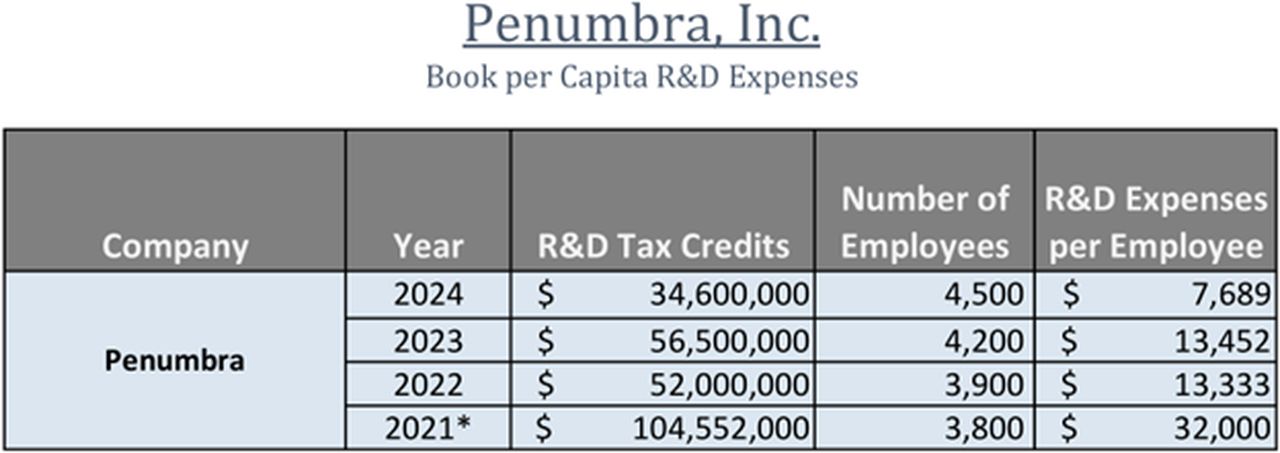
Another area to watch is whether Boston Scientific will integrate Penumbra’s offerings into broader procedural solutions. Boston Scientific’s portfolio spans cardiology, neurology, and beyond, including imaging catheters, guidewires, and delivery systems. Coupling these with Penumbra’s thrombectomy devices could support more integrated kits or procedural workflows. One plausible direction is packaging a more complete stroke intervention suite: Penumbra’s aspiration catheter plus Boston Scientific guide catheters, paired with a 3D printed patient-specific vascular model used for pre-procedure planning. Boston Scientific’s scale also supports clinical evidence generation (including trials to expand indications) and physician education programs using simulators and printed models. Penumbra gains access to those resources, including additive manufacturing capabilities that Boston Scientific has already developed for medtech production.
Risks and Milestones to Monitor Post-Deal
No major acquisition is without challenges. While the Boston Scientific–Penumbra tie-up holds promise, there are foreseeable risks and integration hurdles in the near term. Boston Scientific’s investors reacted cautiously, and the stock dipped ~4% on the news. J.P. Morgan analysts also noted that the deal may face heightened investor scrutiny due to the valuation and financing considerations. Key issues and milestones to monitor include:
- Regulatory and Closing Process: The acquisition must clear regulatory approvals and win Penumbra shareholder approval before it can close. Antitrust regulators will review the transaction. The neurovascular device market includes other major players (including Stryker and Medtronic), making a monopoly unlikely, but regulatory timing could still shift closing later into 2026. Final closure remains the milestone that formally triggers integration.
- Integration of Teams and Cultures: Penumbra will operate as a standalone group within Boston Scientific post-merger, a structure chosen to preserve Penumbra’s innovative culture. Boston Scientific has emphasized continuity and retention, and Penumbra’s CEO Adam Elsesser will join Boston Scientific’s Board. Early indicators to watch include retention of key technical personnel, the pace of product development, and whether ongoing R&D programs remain on schedule.
- Short-Term Financial Impact: Boston Scientific expects the deal to be modestly dilutive in the first full year after closing, by about US$0.06–US$0.08 in adjusted EPS. This reflects the approximately US$11 billion cash component (expected to be funded through a combination of cash reserves and new debt) and amortization of acquired intangibles. Boston Scientific expects the transaction to become neutral-to-accretive in year two and increasingly accretive thereafter.
- Product Pipeline and Approvals: Penumbra’s value is closely tied to its device pipeline. Watch for new product launches and regulatory approvals in thrombo-embolization. Penumbra recently launched next-gen Lightning Bolt catheters (including Bolt 12 and 6X) with enhanced features. Post-close, a key question is whether Boston Scientific accelerates global rollout and supports additional indications through clinical evidence and regulatory execution.
- Competitive Dynamics: Boston Scientific’s return to neurovascular care will likely intensify competitive activity. Stryker, Medtronic, and others may respond through new product introductions or additional M&A, and the medtech industry has projected further consolidation in 2026. If Boston Scientific uses additive manufacturing to increase development speed or expand patient-specific training and planning tools, similar approaches could spread across competing platforms.
The Research & Development Tax Credit
The now permanent Research and Development (R&D) Tax Credit is available for companies developing new or improved products, processes, and/or software. 3D printing can help boost a company’s R&D Tax Credits. Wages for technical employees creating, evaluating, and revising 3D printed prototypes are typically eligible expenses toward the R&D Tax Credit. Similarly, when used as a method of improving a process, time spent integrating 3D printing hardware and software can also be an eligible R&D expense. Lastly, when used for modeling and preproduction, the costs of filaments consumed during the development process may also be recovered.
Whether it is used for creating and testing prototypes or for final production, 3D printing is a great indicator that R&D Credit-eligible activities are taking place. Companies implementing this technology at any point should consider taking advantage of R&D Tax Credits.
Conclusion
Boston Scientific’s acquisition of Penumbra represents a meaningful convergence of scale and innovation in the vascular device arena. Strategically, it gives Boston Scientific a stronger position in the fast-growing thrombectomy and neurovascular market, with Penumbra’s platforms addressing ischemic stroke, pulmonary embolism, deep vein thrombosis, acute limb ischemia, heart attack, aneurysms, and related vascular emergencies through minimally invasive clot removal and embolization workflows. Technologically, the merger has the potential to accelerate broader adoption of additive manufacturing in medical device development and clinical education. Penumbra stands to benefit from Boston Scientific’s global infrastructure and established 3D printing capabilities, which can support faster iteration in next-generation thrombectomy systems, expanded use of 3D printed vascular phantoms for benchtop experimentation and hemodynamic studies, and more scalable training models that replicate complex anatomy and procedure steps.
As the transaction progresses, the most relevant signals will extend beyond valuation and closing timelines and into execution outcomes. Key indicators include whether combined R&D teams shorten design-build-test cycles through rapid prototyping, whether micro-precision additive manufacturing is applied to miniaturized device components and complex internal geometries, whether 3D printed jigs and fixtures reduce manufacturing friction for low-volume, high-mix production, and whether printed vascular models and simulation programs become more widely deployed to standardize thrombectomy and embolization training. If those operational levers materialize, this acquisition will function not only as a portfolio expansion but also as a practical demonstration of how additive manufacturing can support high-stakes vascular interventions through faster development, more realistic testing environments, and more repeatable physician education pathways.