
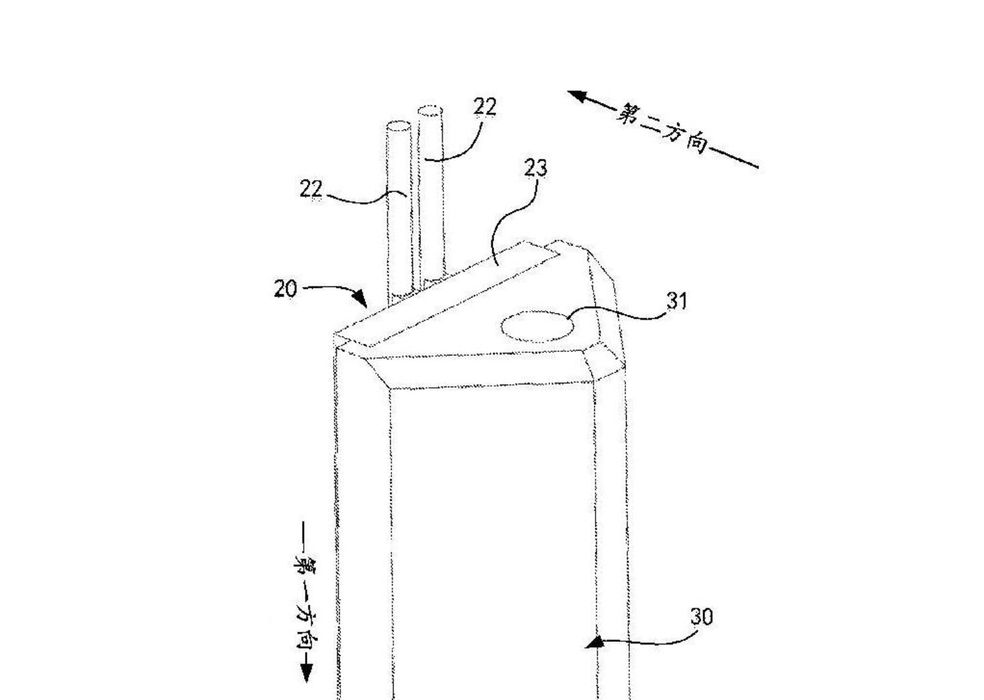
A Creality patent proposes heating an FFF nozzle with electromagnetic induction instead of relying only on a conventional heater.
The nozzle is where solid filament has to become a smooth, predictable flow of molten material. Any delay getting it hot affects startup time, and any wasted heat adds to the printer’s energy use.
The applicant is Shenzhen Creality 3D Technology Co., Ltd., the company behind the Creality brand. Its Chinese patent application, CN122719659A, describes a nozzle device and a 3D printer built around that device.
Heating The Nozzle With Induction
In a typical FFF hotend, an electrical heater warms a metal block or nozzle assembly using resistive heating. A temperature sensor reports the current temperature to the printer’s control system, which adjusts power as the filament moves through. Creality’s proposal places a heating component around the nozzle assembly and uses electromagnetic induction to heat it.
The basic idea is familiar from induction cooktops. An alternating electrical field creates currents in a suitable conductive metal, and the metal heats up directly. Here, the target is the nozzle assembly, with the filament traveling along a first direction through it before being extruded.
The abstract also describes a second operating mode: induction heating combined with self-heating. The document does not explain the exact electrical arrangement or identify a specific filament material. That gives Creality room to describe more than one implementation.
Why put the heating element around the nozzle? The likely goal is to move heat closer to the material’s actual path, and particularly at the nozzle itself. A smaller heated region can reduce the amount of metal that has to warm up before printing begins. Once filament is moving, the system may also respond more quickly when the feed rate changes.
For a 3D printer operator, the benefits would be straightforward: shorter preheating, less waiting between jobs, and possibly less electrical power spent maintaining the hotend. Faster heating could also help a machine recover after a pause or a temperature change. Those advantages are especially attractive in printers with toolheads start and stop frequently: multimaterial systems.
Induction heating needs carefully controlled electromagnetic coupling, and the nozzle material, surrounding parts, and power electronics all become part of the design. The heating component must deliver enough energy without overheating nearby components, damaging insulation, or making temperature measurement harder.
The nozzle also has to remain replaceable and mechanically stable. If a conventional heater cartridge is replaced by an induction assembly surrounding the nozzle, maintenance, nozzle compatibility, and shielding may all change. The added electronics could offset some of the energy savings if the system becomes more expensive or difficult to calibrate, but we won’t know that until when and if Creality uses this technique.
Creality’s claims cover both the nozzle device and a 3D printer using it. That points toward a possible hot end redesign that could eventually appear in faster-starting FFF equipment, if the hardware can deliver the claimed heating efficiency without complicating maintenance.
Via Espacenet
