Preeti Sulibhavi and Jacob Nolan spotlight Ricoh’s move into 3D printing and how it is reshaping healthcare with personalized surgical planning, in-hospital innovation studios, and groundbreaking clinical partnerships. (Re-published for updated content.)
Ricoh’s 3D Printing Breakthrough in Healthcare
Ricoh is best known for its printers, imaging systems, and digital office solutions, but behind the scenes, the company is quietly transforming modern medicine.
In 2024, Ricoh had sales of US$15.5 billion and employed 79,544 people.
With the launch of Ricoh 3D for Healthcare, Ricoh is now playing a critical role in how surgeons plan operations, patients understand their diagnoses, and hospitals deliver care. Using advanced 3D printing technology, Ricoh is bridging the gap between digital imaging and physical models to bring personalization, speed, and precision into hospitals across the country.
FDA-Cleared, Clinician-Focused Innovation
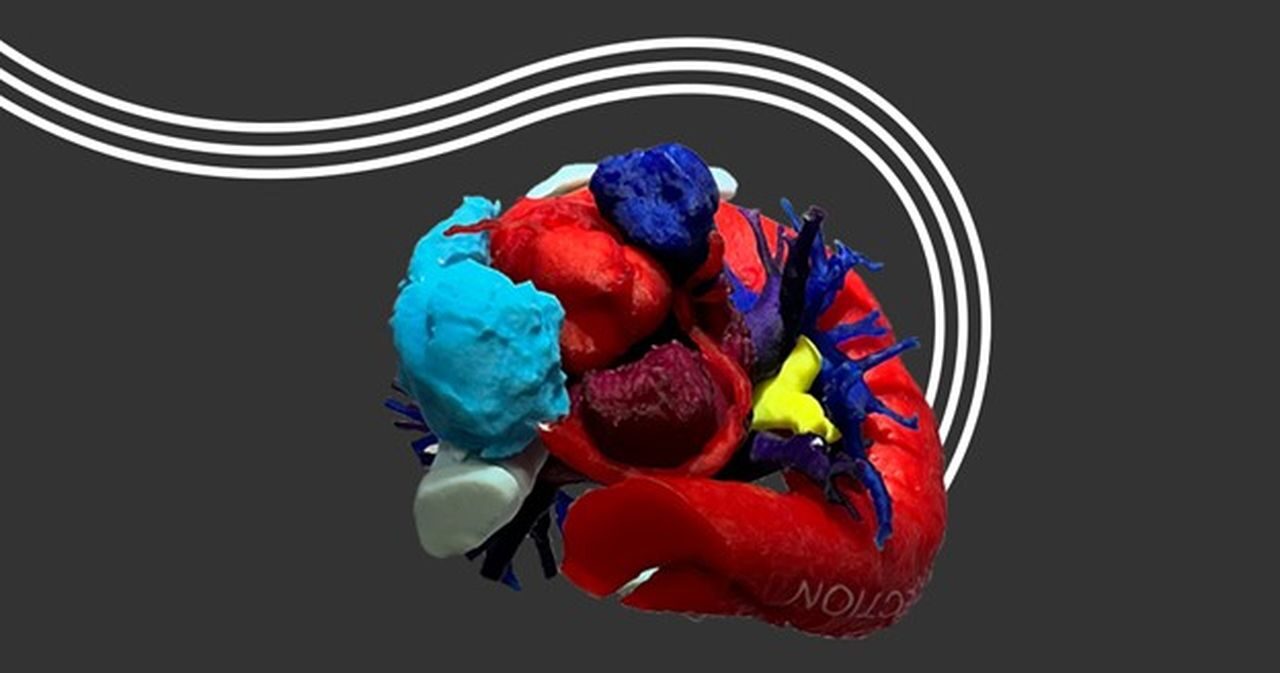
At the core of Ricoh’s healthcare expansion is its FDA 510(k)-cleared and ISO 13485-certified 3D printing solution. This service allows clinicians to convert standard CT and MRI scans into highly detailed patient-specific anatomical models. These models cover seven major anatomical areas, including orthopedic, craniomaxillofacial (CMF), cardiovascular, neurological, gastrointestinal, genitourinary, and breast applications. What makes Ricoh’s system stand out is that it is fully integrated into hospital workflows. Physicians can send imaging files directly through their existing radiology platforms. From there, Ricoh’s certified experts handle segmentation, design, and production, resulting in multi-material, color-coded models that are often delivered within just a few days. These models are used for pre-surgical planning, patient education, and clinical training, turning flat images into tangible anatomy.
The Rise of the Point-of-Care Studio
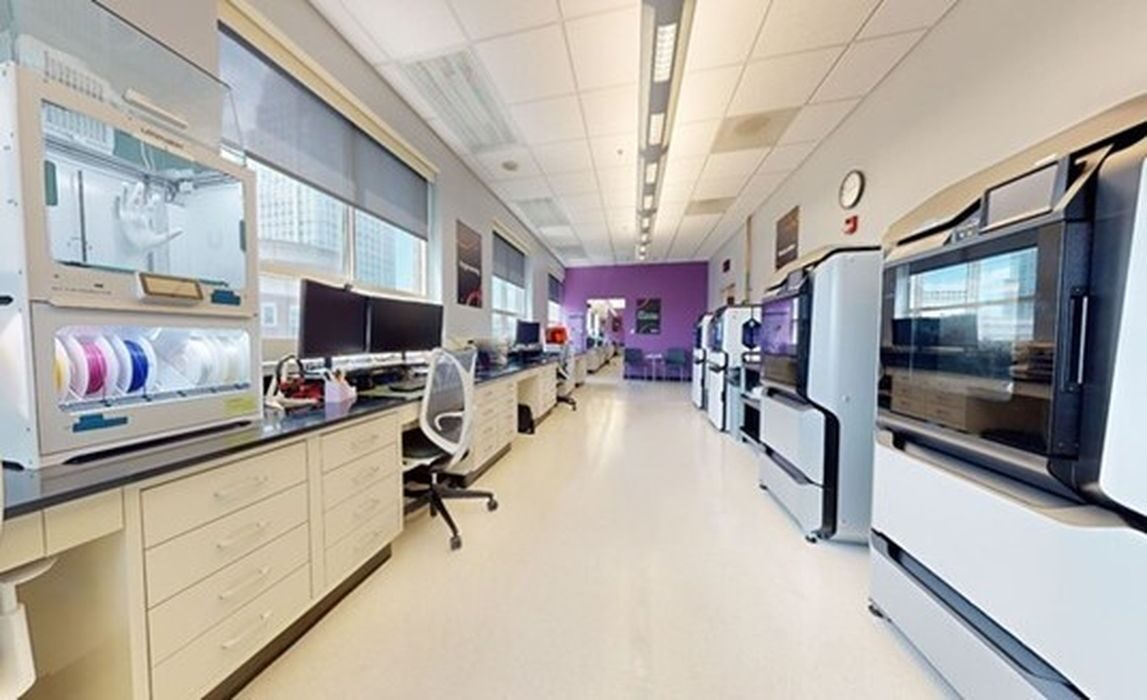
Ricoh is not just shipping models from a central lab. The company is also bringing the production process into the hospital itself through its Point of Care Innovation Studios. These in-house facilities allow clinicians to submit and receive anatomical models on-site, dramatically reducing turnaround time and empowering hospital staff with direct access to cutting-edge manufacturing. One of the first of these Innovation Studios opened in 2024 at Atrium Health Wake Forest Baptist in North Carolina.
There, Ricoh staff work side by side with physicians to support surgical teams with real-time model production. The studio is fully HIPAA-compliant and offers same-day delivery for critical cases. Early results from similar deployments show dramatic improvements. Surgeries saw an average of 62 minutes saved, with a 7.8 percent reduction in diagnostic procedure duration. The average case experienced cost savings of US$3,720, and half of all surgeons adjusted their plans after reviewing the 3D model.
Clinical Validation
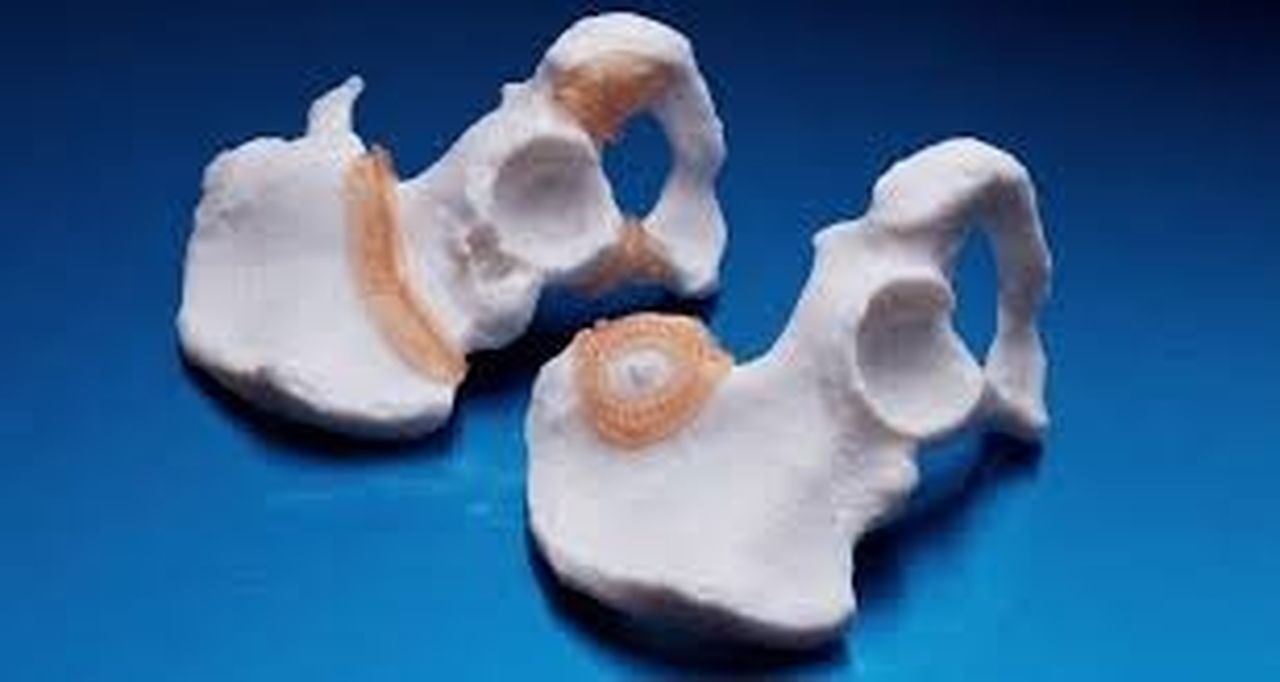
To reinforce its impact in the field, Ricoh is running a clinical study focused on orthopedic oncology. The study, which began in June 2024, is evaluating whether the use of 3D printed models improves outcomes compared to CT and MRI imaging alone.
Strategic Collaborations Expanding Possibilities
Ricoh’s strategy goes beyond internal innovation. The company has forged several partnerships to broaden its 3D healthcare applications. With Insight Surgery, Ricoh now offers patient-specific surgical guides for maxillofacial and orthopedic cases, designed to match each patient’s unique anatomy. With Kallisio, Ricoh manufactures custom oral stents that help protect healthy tissue during radiation therapy for head and neck cancer patients. With SimBioSys, Ricoh helps produce AI-driven 3D breast cancer models that simulate tumor response to treatment, giving doctors predictive insights. These collaborations demonstrate Ricoh’s commitment to building a broad and integrated ecosystem of tools that support surgical planning, oncology care, and patient safety.
Education, Training, and Empowerment
Ricoh’s 3D models are not just changing operating rooms. They are also transforming how doctors, students, and even patients learn. At Orlando Health, Ricoh helped develop VainSim, a realistic venous access training model for pediatric patients with bleeding disorders. This model allows caregivers and children to practice needle insertions safely, improving comfort and confidence. Clinical feedback was overwhelmingly positive. In testing, the model scored in the 95th percentile for usability and significantly boosted both skill retention and patient engagement.
The Research & Development Tax Credit
The now permanent Research & Development Tax Credit (R&D) Tax Credit is available for companies developing new or improved products, processes and/or software.
3D printing can help boost a company’s R&D Tax Credits. Wages for technical employees creating, testing and revising 3D printed prototypes can be included as a percentage of the eligible time spent on the R&D Tax Credit. Similarly, when used as a method of improving a process, time spent integrating 3D printing hardware and software qualifies as an eligible expense. Lastly, when used for modeling and preproduction, the costs of filaments consumed during the development process may also be recovered.
Whether it is used for creating and testing prototypes or for final production, 3D printing is a great indicator that R&D Credit-eligible activities are taking place. Companies implementing this technology at any point should consider taking advantage of R&D Tax Credits.
Conclusion
Ricoh’s move into 3D printing is not just a side project. It is a deliberate shift into lifesaving, high-impact innovation. Through partnerships with top hospitals, 3D printing leaders, and emerging Healthtech companies, Ricoh is building a fully validated, scalable platform for personalized medicine. From on-site Innovation Studios to nationwide clinical trials, Ricoh is proving that 3D printing is not just the future of healthcare. It is already here. As more hospitals adopt this technology and reimbursement pathways expand, Ricoh stands to be one of the most important companies driving precision care into the next decade. With a strong track record in imaging, robust manufacturing capabilities, and a deep understanding of workflow integration, Ricoh is showing the world what happens when a company reimagines its legacy and brings the future to the operating room.