
I’m reading about an entirely new method of 3D printing metal that involves sheets.
The new process was developed by Lapis, a Singapore-based startup that came out of Nanyang Technological University during the pandemic. A company was formed a couple of years later, and now they are gradually becoming more well known.
How does their process differ from the LPBF powder and DED metal wire approaches? It involves sheet metal, a variant of sheet lamination. Here’s how it works:
- A sheet of metal is laid down in the build chamber
- A second sheet of the same dimensions is lain on top
- A laser sweeps across the surface of the second sheet, welding it periodically to the first sheet with laser pulses
- At this point we have two sheets welded together
- The laser then removes some of the second layer by ablation
- A third sheet is then placed on top and the process repeats until the object is completed
By “ablation” they mean that the laser literally vaporizes the unwanted solid portions of a layer. There would be no need to pick out “cut offs” after printing.
So it’s a kind of hybrid between additive and subtractive. They say that the objects produced are solid metal, as the metal sheets are pressed against each other without voids. However, they are still separate sheets and the obvious weak point would be the layer lines.
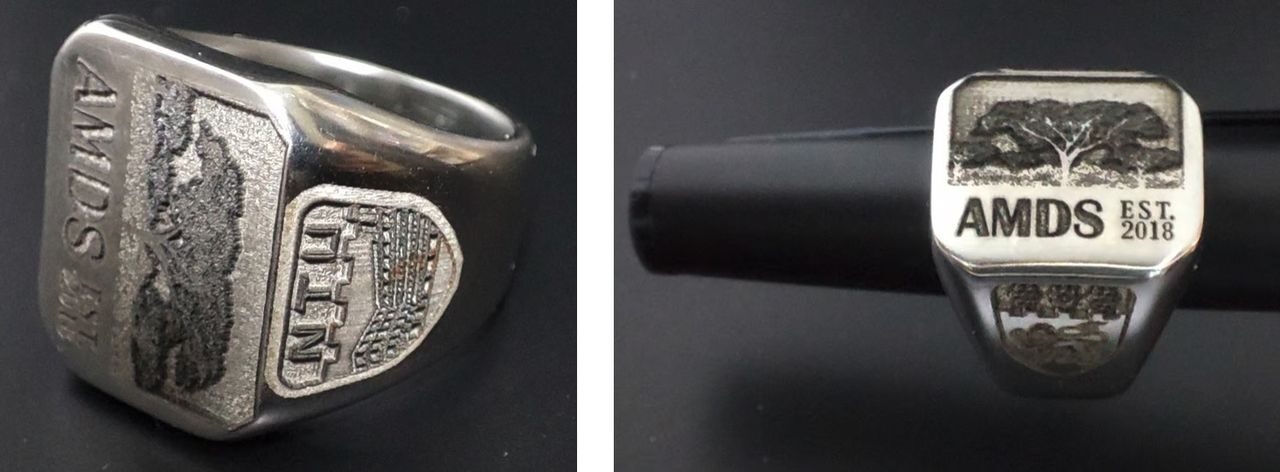
The process can evidently achieve considerable resolution, as you can see in this image of a ring produced using the process. They say the minimum feature size is only 0.05mm, and the maximum resolution is only 0.02mm. That’s incredibly good and comparable to the best LPBF metal 3D printers.
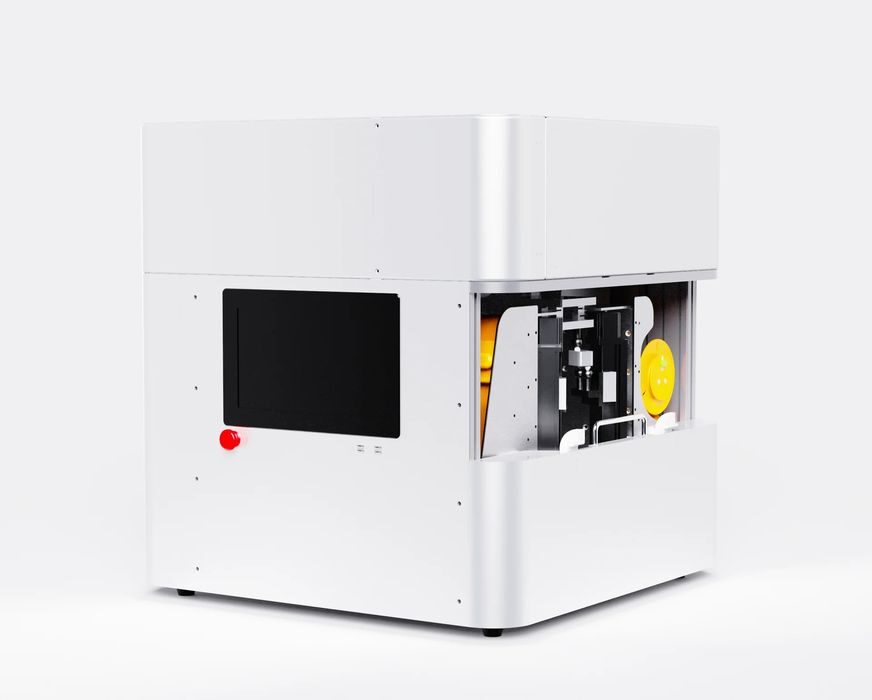
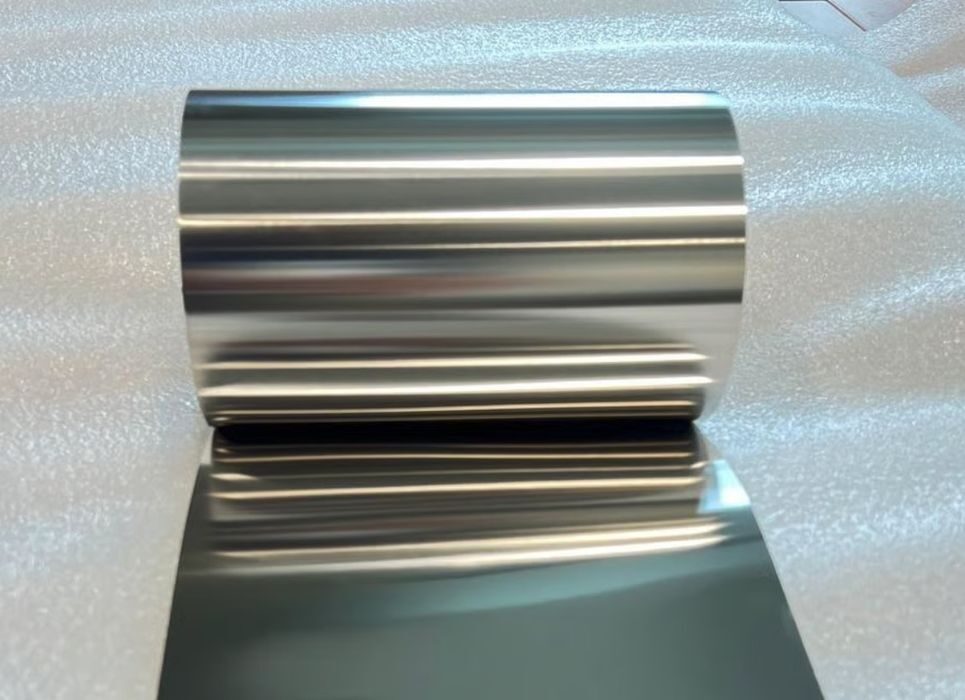
They have not yet released a machine, but the “Lapis-Beta” is apparently under development. This machine will offer a 125 x 125 x 125 mm build volume, and be able to handle a huge range of sheet roll materials: SS304/316L, Cu, CuZn, Al6061, Al1013, Ti-6Al-4V, NiTi, Fe, Ti, “and more”.
For a machine with a relatively small build volume, you might wonder why it weighs a whopping 350kg. That’s because there are some special requirements here. The vaporization process produces metal fumes that must be immediately extracted from the build chamber, otherwise they will condense and form droplets on the print.
This will require some heavy air handling and filtration. It’s very likely the machine will have to be emptied of the condensate as time progresses.
That all said, this sheet process would be far safer than powder systems that require even more special handling. There would be little risk of explosions or oxygen contamination here.
The Lapis approach seems quite interesting, but in the past we’ve seen multiple sheet lamination approaches fail or at least never catch on with manufacturers. Perhaps the fate of Lapis will be different.
Via Lapis
