
Researchers have found a way to recycle mixed polymers, or at least some of them.
Recycling is a major issue with 3D printing. Vast quantities of waste plastic are produced by the devices, as every 3D printer operator will know. Much of this waste ends up in landfills, due to the lack of suitable municipal recycling systems.
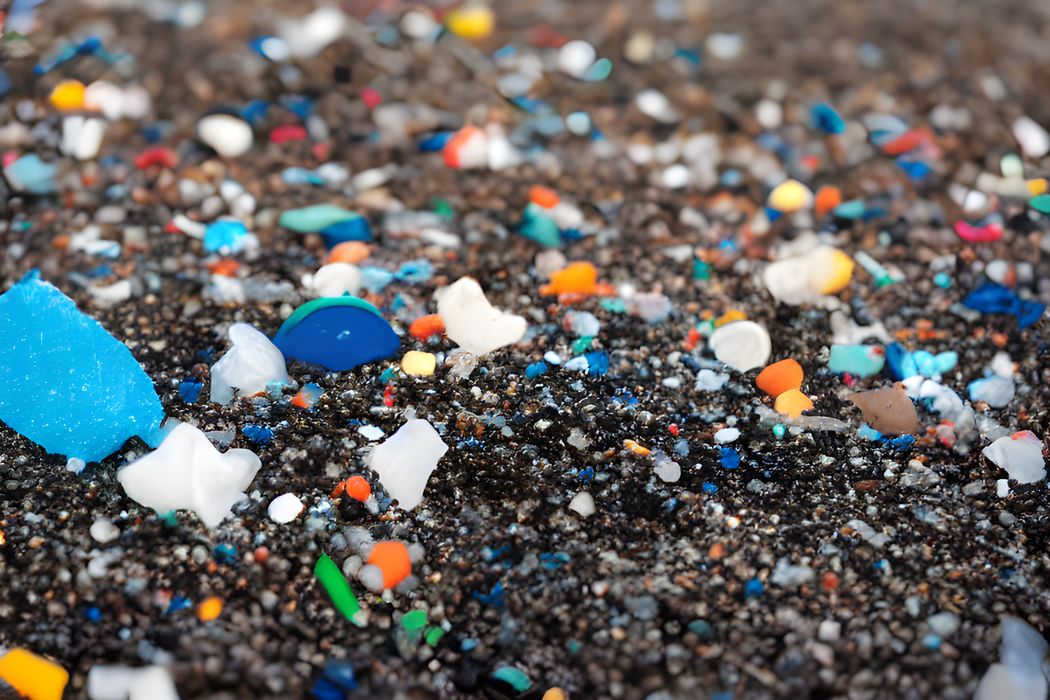
In the landfill, the waste slowly breaks down into microplastic particles, which then travel through the environment, eventually ending up in our bodies. The long-term effects of microplastic exposure have not yet been determined, but it won’t be good.
Why don’t we simply recycle the waste plastic? It’s because there are no proper ways to do it.
At municipal recycling centers, the process is to identify an official recycling stamp on plastic waste. This stamp identifies which type of plastic it might be, and therefore how to sort it.
Sorting is required because different plastics require different recycling processes. You can’t, for example, melt a bunch of PLA, ABS, and ASA and hope to end up with something useful. The plastic must be sorted.
Unfortunately, virtually all 3D printer waste does not have a recycling stamp on it. This ensures that the waste goes directly to the landfill.
If only there were a way to automatically sort or otherwise process mixed plastics.
But now there might be, according to a recent report.
Researchers developed a new nickel catalyst that can break down polyolefin plastics into oils and waxes, which can then be re-used in processes for other products, such as lubricants, candles, etc.
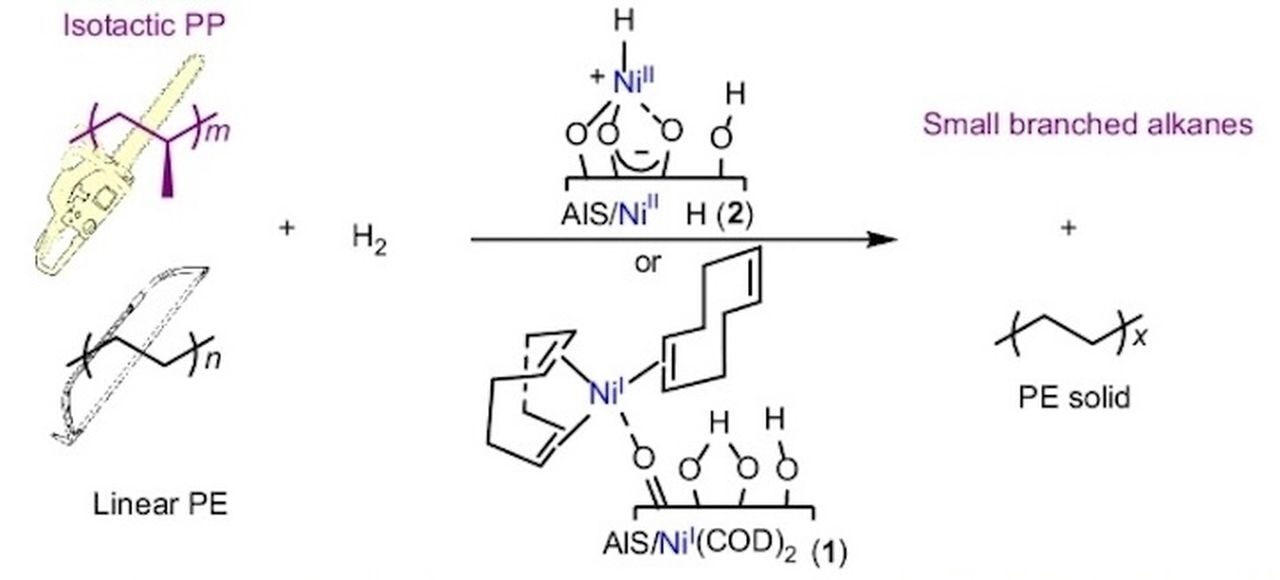
Apparently, the process also works with PVC materials, which are challenging to recycle due to the presence of caustic chlorine.
This catalyst would be incredibly beneficial for municipal recycling operations, as most kitchen waste is made from polypropylene and other polyolefin materials. They’d just need to toss all of that material into the same bin for recycling.
But what about 3D printer waste? Would any polymers be broken down by this new nickel catalyst?
- TPU and TPE would not work because they are not polyolefins.
- PLA contains esters, which the catalyst does not work with.
- PETG also is full of esters, so it won’t work either.
- ABS, ASA, and HIPS are not polyolefins.
- PA (nylons) are not polyolefins.
- PP is a polyolefin, and the catalyst is designed directly for it.
- HPDE is also a polyolefin; it would work as well.
It appears that this catalyst would work only with 3D printed waste made of PP or HDPE.
That’s a start, and I’m hoping researchers are working on catalysts for the other commonly printed materials.
Via PhysOrg
