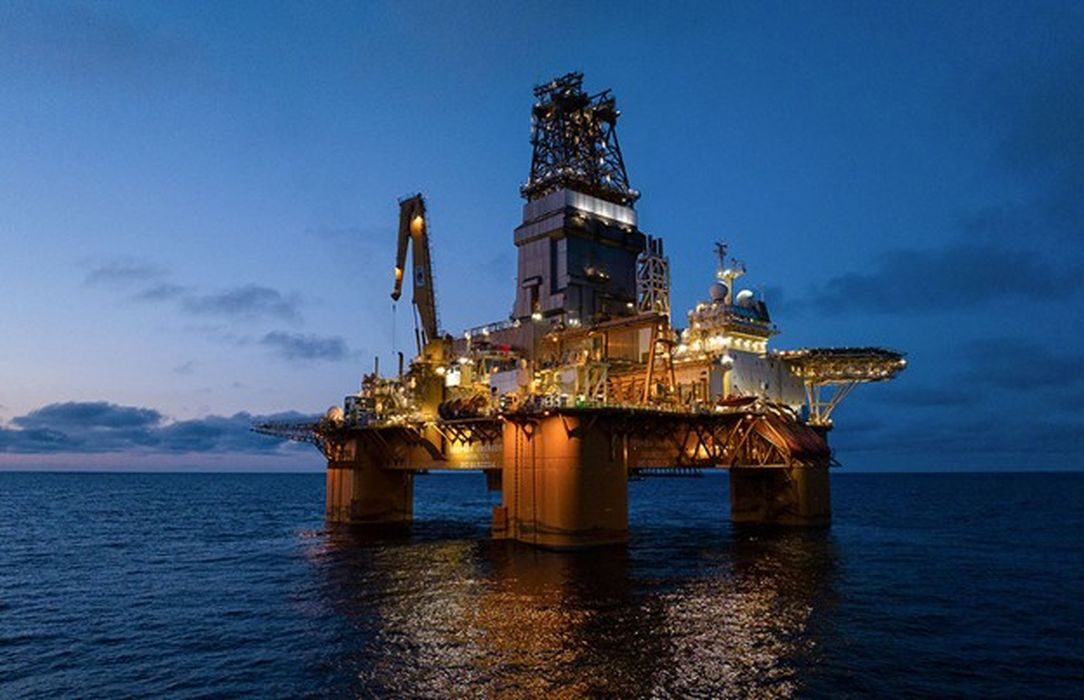
Anthony Palumbo and Charles Goulding examine how SLB is reshaping the energy sector through digital platforms, AI-driven operations, and industrial 3D printing, positioning additive manufacturing as a mission-critical enabler in one of the world’s most demanding industries.
Introduction
Schlumberger, now rebranded as SLB, has transcended its identity as a traditional oilfield services provider, evolving into a global energy technology company focused on digitalization and decarbonization. In an era where energy security and net-zero goals collide, SLB is leading one of the most transformation-intensive shifts in the sector. The firm’s embrace of AI, digital twins, and additive manufacturing (AM) shows that digital tools and 3D printing have graduated from niche innovations to pillars of modern energy operations. This article follows our recent piece on Baker Hughes, another major oilfield equipment supplier advancing the use of 3D printing and digitization.
From Wireline Logging Pioneer to Tech-Driven Leader
Founded in 1926 by Conrad and Marcel Schlumberger, the company’s pioneering work in wireline logging laid the foundation for precision subsurface exploration. Today, SLB spans over 100 countries, boasting a workforce of around 100,000 and revenues exceeding US$33 billion. Through relentless R&D and strategic acquisitions like ChampionX, it’s charting a future beyond traditional field services.
Digital Transformation: Powering Efficiency and Insight
SLB’s digital evolution is anchored by platforms like DELFI™, OptiSite™, Lumi™, and ProcessOps, each enabling real-time modeling, automation, and predictive insights across operations.
- OptiSite™ integrates AI, digital twins, and Cognite Data Fusion to deliver end-to-end visibility and operational autonomy, significantly reducing downtime and emissions.
- In one Middle Eastern deployment, OptiSite predicted up to 88% of equipment failures with 21 days’ notice; in the U.S., it averted 15 days of potential shutdown time.
- Similarly, Flow Digital Twin has enabled over 90% engineering time savings, with 6,000 auto-calibrated model updates per month resulting in a 1.5% production boost company-wide.
- The Electris™ portfolio, SLB’s digital electric well completions, provides real-time reservoir intelligence, allowing dynamic control of production zones. Deployed over 100 times across five countries, Electris helps lower energy for pumping and optimize production in complex wells.
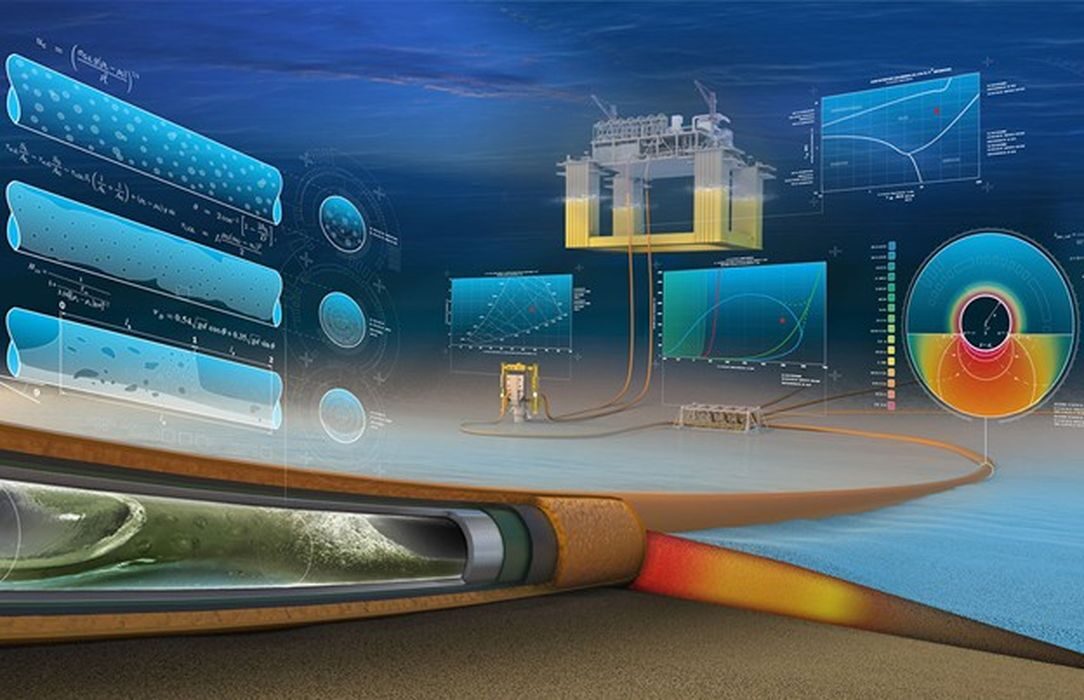
These digital tools not only elevate operational efficiency but also decouple revenues from volatile oil-price cycles. SLB’s high-margin Digital & Integration segment continues growing, underpinned by scalable software services and advanced automation.
Additive Manufacturing: From Lab to Field
SLB’s integration of additive manufacturing adds a physical dimension to its digital ambition, especially in situations where speed, complexity, and reliability matter most.
Aegis 3D Printed Armor for Drill Bits
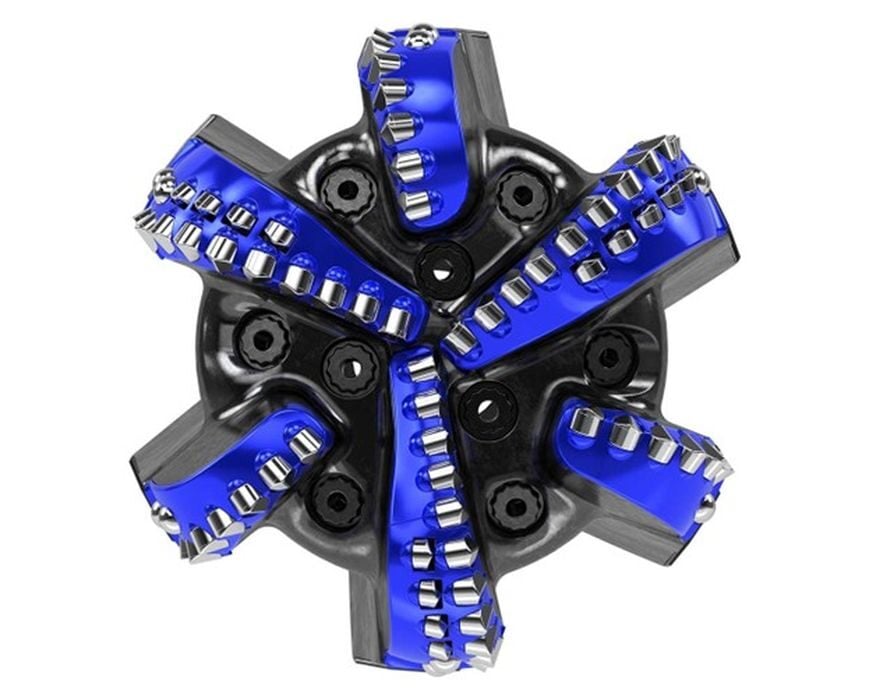
SLB’s Aegis™ armor, applied via electron beam melting (EBM), boosts drill bit blade strength by 40% and erosion resistance by 400% compared to traditional methods. This technology has delivered up to 36% faster rate of penetration and saved 179 drilling hours in real-world deployments, such as in the Anadarko Basin. A dedicated SLB Tech Talk highlights how Aegis enhances reliability and performance in the field.
Materials and Design Innovation
Beyond drill bits, SLB applies AM across its operations. Engineers prototype downhole tools and flow devices, iterating quickly before full production. In remote or offshore sites, on-site printing can cut replacement lead times from weeks to hours while reducing shutdown risks. AM also enables complex geometries, such as turbulence-control features in fluid systems or re-engineered high-pressure valves, that conventional machining cannot achieve.
These advances rely on robust materials like nickel superalloys, titanium, and composites, often produced through powder bed fusion or directed energy deposition. These materials withstand the extreme pressures, temperatures, and corrosive fluids of subsurface conditions.
On-Site Manufacturing and Regional Collaboration
SLB is collaborating with partners like Roboze to expand local 3D printing capabilities. In Saudi Arabia, this partnership enables on-demand production of downhole components, supporting Vision 2030 by improving supply chain resilience and reducing logistic dependencies.
AI, Energy Transition, & Robotics: Beyond the Drill Floor
SLB’s digital reach extends into AI, decarbonization, and even robotics:
- In Indonesia’s Attaka field, AI-driven Well Performance Optimization cut planning time by 95% and could yield up to 17% ROI via automated screening of well candidates.
- AI-enabled energy transition projects include modular CCS deployments via SLB Capturi, and geothermal solutions with Celsius Energy, all positioned within a US$1.2 trillion clean-energy market.
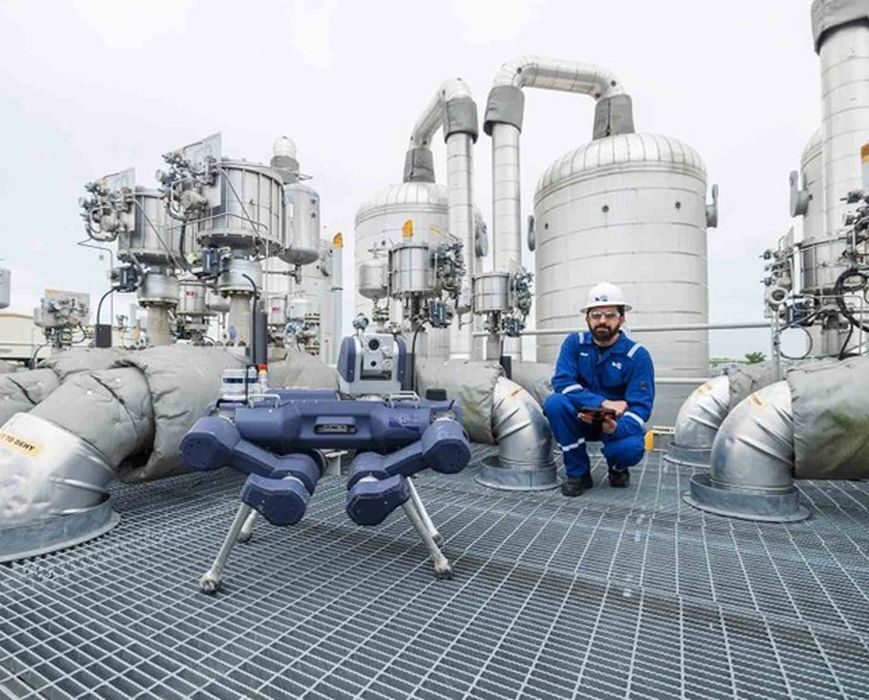
- A long-term partnership with robotics firm ANYbotics is automating inspections and predictive maintenance across global oil and gas installations, reinforcing SLB’s broader ambition for autonomous, digital-first operations.
- Collaborations with NVIDIA are accelerating subsurface imaging and digitization using generative AI, NVIDIA GPUs, and immersion technologies, enabling more powerful digital twins and LLMs tailored to the energy sector.
Why SLB’s Journey Matters to Additive Manufacturing
Oil and gas is perhaps the most demanding industrial environment for AM, involving high stakes, extreme conditions, and remote operations. SLB’s success demonstrates that AM can move beyond prototype into mission-critical deployment. Key implications:
- Distributed, on-demand manufacturing becomes viable on offshore rigs, remote platforms, and supply-starved locations.
- Digital-physical convergence enables a workflow from simulation → prototyping → print → field deployment in days, not weeks.
- This approach is directly applicable to other sectors such as nuclear, aerospace, and remote energy systems, where supply chain disruptions and harsh operating conditions are increasingly common.
- SLB’s push also strengthens AM’s role in sustainability, enabling lower-waste manufacturing, longer equipment life, and repair-on-demand capabilities.
The Research & Development Tax Credit
The now permanent Research and Development (R&D) Tax Credit is available for companies developing new or improved products, processes, and/or software. 3D printing can help boost a company’s R&D Tax Credits. Wages for technical employees creating, evaluating, and revising 3D printed prototypes are typically eligible expenses toward the R&D Tax Credit. Similarly, when used as a method of improving a process, time spent integrating 3D printing hardware and software can also be an eligible R&D expense. Lastly, when used for modeling and preproduction, the costs of filaments consumed during the development process may also be recovered.
Whether it is used for creating and testing prototypes or for final production, 3D printing is a great indicator that R&D Credit-eligible activities are taking place. Companies implementing this technology at any point should consider taking advantage of R&D Tax Credits.
Conclusion
From its roots in wireline logging to its current role as SLB, a global technology leader, Schlumberger’s transformation reflects a broader industrial metamorphosis, driven by digital tools, AI, and additive manufacturing.
SLB’s story is both a validation and a template. Additive manufacturing is no longer an experimental fringe but a core, high-stakes enabler in industries where every hour counts. The digital oilfield is not just software. It represents a fusion of simulation, cloud platforms, robotics, and printed metal, setting a model for the energy and broader industrial landscapes of tomorrow.