
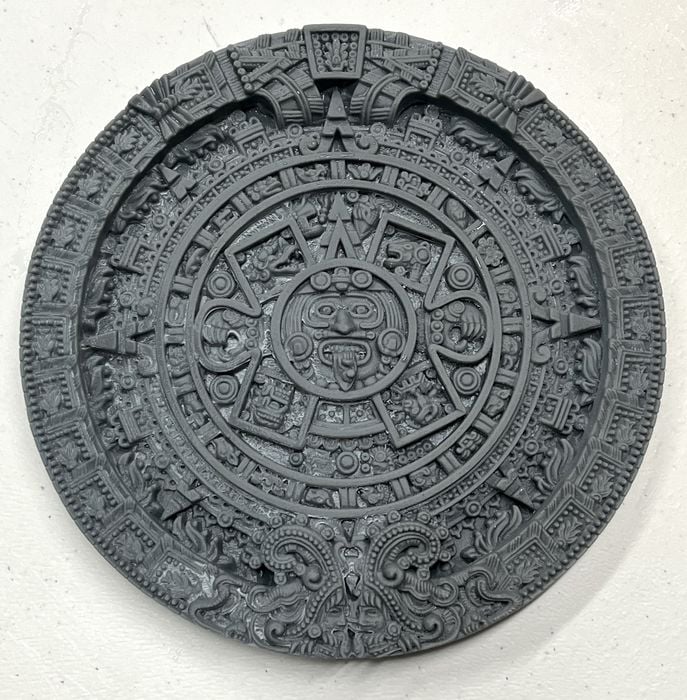
Water washable resin should be discontinued, and that’s my opinion.
In the beginning, desktop resin 3D printers normally used conventional photopolymer resin, which must use IPA as a solvent to wash off uncured resin. When prints emerge from the printer, there is always a coating of wet resin. If it isn’t removed, then it would be post-cured onto the model surface, ruining the texture and fine details. Washing fixes that.
But as resin 3D printer manufacturers realized, most operators had originally used FFF systems, which are much easier to operate. They are also much safer, as photopolymer resin is typically toxic and thus requires careful handling and use of personal protective equipment (PPE).
The toxicity is the issue here, as the mention of it would normally deter some from buying the equipment. People just want to be safe, it’s a natural reaction.
Then somewhere along the timeline, someone developed “water washable resin”. The idea being promoted is that water washable resin is safer than normal resin because water is involved instead of deadly solvents like IPA.
It sort of worked. In the public, water washable resin is mistakenly viewed as being safer than regular resin. Sales went up, slightly.
Water is safer than IPA, so this new type of resin is safer, correct?
I don’t believe this at all.
The photopolymer resin is the actual source of the toxicity, and it doesn’t change because it is “water washable”. Those resins are just as toxic as the IPA washable resins.
Let’s consider how this plays out in the normal workflow:
In the IPA washable world, a wet print is dunked in some IPA for washing. The wet resin doesn’t disappear: it simply dissolves into the IPA, thus removing it from the print. However, the IPA is now contaminated with toxic resin.
In the water washable world, a wet print is dunked in some water for washing. The wet resin doesn’t disappear: it simply dissolves into the water, thus removing it from the print. However, the water is now contaminated with toxic resin.
What’s the difference now? In both cases, you now have a tub of contaminated IPA or water. You must follow procedures to safely handle and dispose of this contaminated solvent. How is this any safer?
If that’s all there were to say about this, that could be the end of the story. But it isn’t.
Another major issue with water-washable resin is that it is much more difficult to perform the wash. At the top, you can see an image of a typical wash result after using water-washable resin: there are small deposits of resin all over the nooks and crannies of the model. You might say, “You didn’t wash it long enough.” But we did. We washed it through multiple cycles, far, far more than the recommended amount. Water-washable resin just does not clean off anywhere nearly as well as regular resin with IPA.
As if that wasn’t enough, we’ve also found that water-washable resin tends to be less strong than regular resin. This requires longer exposure times, but then you start losing some detail. This is okay in some situations, but not where you have a model with lots of spindly supported regions.
Water-washable resin’s “safe” reputation is simply not true, and the quality of prints is not good enough. Going forward, we’re just not going to use water-washable resin anymore.
And neither should you.
