Charles R. Goulding and Leah Nabangi reveal how 3D printing is helping Nigeria’s oil and gas sector cut downtime, localize spare parts, and unlock the full value of historic investments in production and refining.
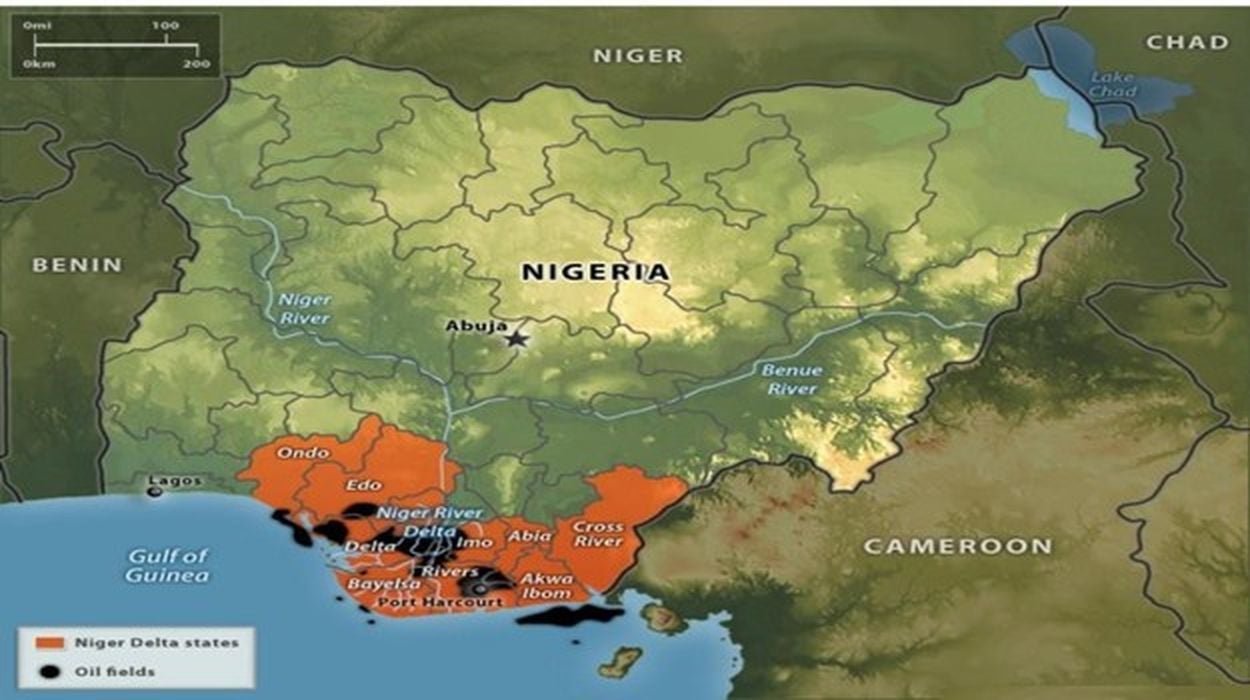
Nigeria’s oil and gas industry has historically been dominated by international oil companies such as Shell, Chevron, ExxonMobil, and TotalEnergies, alongside a growing group of indigenous firms including Seplat Energy, Oando, Aiteo, and Heirs Energies. Recently, the sector has experienced a surge in investments aimed at boosting local production and asset ownership. Notable developments include Heirs Energies’ US$500 million acquisition of a 20% ownership stake in Seplat Energy Plc from French firm Maurel & Prom, marking one of the most significant local investments in Nigeria’s oil and gas sector. This acquisition followed an earlier US$750 million financing partnership between African Export–Import Bank (Afreximbank) and Heirs Energies aimed at increasing domestic energy production by doubling crude oil output and substantially expanding gas production. According to a Reuters article, local oil companies produced more than 50% of Nigeria’s crude oil as of 2025, approximately 1.5 million barrels per day (bpd), with the government aiming to double output by 2030, a target that would position Nigeria among the world’s top 10 oil producers.
The local refining industry has also experienced major developments. Despite being one of Africa’s largest crude oil producers, Nigeria has historically imported billions of dollars’ worth of refined products to meet local demand. However, this situation is rapidly changing due to increasing local refinery developments mainly centered around Africa’s largest refinery, the Dangote Refinery in Lagos, which began production in 2024 with a capacity of 650,000 barrels a day(bpd). This refinery has increased local refining capability, with data from the Central Bank of Nigeria’s (CBN) Balance of Payments report showing that fuel imports in Nigeria have dropped by 54% in two years, from US$14.58 billion in 2023 to US$6.71 billion in 2025.
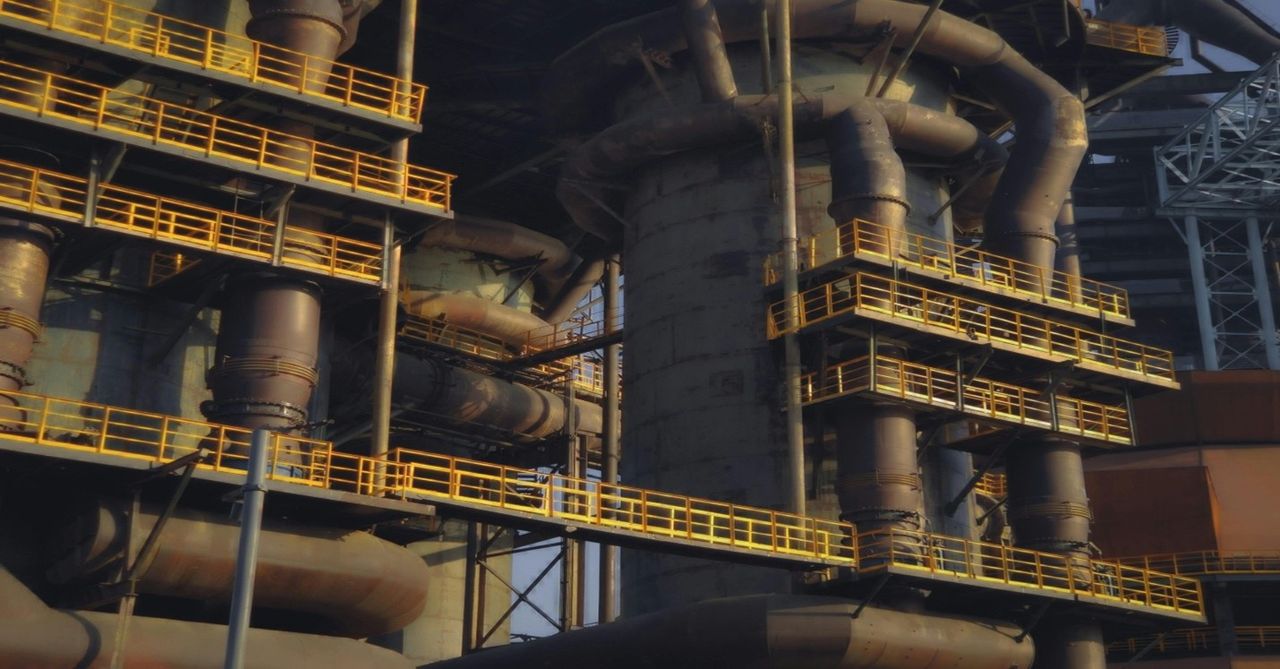
More recently, in November of 2025, an international energy consortium secured a US$50 billion dollar investment to construct a 500,000-bpd refinery in the free trade zone of Ilaje, Ondo State, Nigeria. Once operational, it will become Africa’s second-largest refinery, further increasing local refining capacity and reducing Nigeria’s dependence on imported refined petroleum products.
Nigeria’s oil and gas industry has long faced challenges such as aging infrastructure, lengthy spare part supply chains, high inventory costs, and costly downtime from part failures. With the increasing investment in the country’s production and refining sectors, 3D printing is positioned as a strategic technology to support localized production, strengthen supply chain resilience, and improve operational resilience across upstream and downstream operations.
The Role of 3D Printing
3D printing, also known as Additive Manufacturing (AM), enables on-demand production of complex components directly from digital 3D models by building parts layer by layer. 3D printing applications span both the upstream and downstream sectors of the oil and gas industry, enabling faster, more cost-effective, and more flexible production of complex parts through rapid prototyping and on-demand manufacturing. In upstream crude oil production, 3D printing is used to manufacture high-performance components such as drill bits, downhole tools, wellhead fittings, and custom pipeline connectors that must withstand extreme pressure, temperature, and corrosive conditions. In downstream refining, the technology supports rapid fabrication of specialized parts such as pump impellers, heat exchanger components, valve bodies, and custom maintenance tools.
Major oil and gas operators and service providers with a strong presence in Nigeria such as Shell, Chevron, Baker Hughes, and Schlumberger (SLB) are increasingly integrating additive manufacturing (AM) into their global operations to reduce lead times, lower procurement costs, and strengthen operational resilience by producing parts closer to the point of use. Local Nigerian firms like RusselSmith have also begun deploying industrial AM solutions to support on-site part manufacturing and digital inventory strategies.
Shell
Shell is the largest oil and gas operator in Nigeria by footprint and production volume, with over 85 years of operating experience in the country. The company has emerged as a leading adopter of 3D printing technology across the oil and gas sector, leveraging additive manufacturing to address critical operational challenges in both upstream and downstream operations. Shell began utilizing 3D printing in 2011 following their acquisition of a metal laser powder bed fusion (PBF) system at their Technology Centre in Amsterdam and has since expanded its AM capabilities to include polymer, ceramic, and metal printing. So far, Shell has deployed more than 50 additively manufactured spare parts in operational end-use applications.
Shell actively utilizes 3D printing to support on-demand manufacturing of spare parts, develop custom components with improved functionality, and rapidly prototype complex engineering designs. Shell’s digital warehouse strategy enables them to store 3D design files and rapidly produce spare parts on demand using metal powder bed fusion (PBF) technologies, helping to shorten replacement timelines and reduce reliance on long supply chains for offshore operations. Despite having in-house 3D printing capabilities, the company prioritizes sourcing 3D printed parts through qualified OEMs. When OEMs are unavailable, components are reverse-engineered in compliance with intellectual property regulations and produced by commercial suppliers from a 3D model, with in-house printing reserved primarily for emergency situations when IP constraints do not apply.
Shell has successfully applied 3D printing across multiple oil and gas components, including 3D printed pump impellers for a multi-stage pump produced in collaboration with Baker Hughes and industry-first 3D printed leak-repair clamps deployed in the field.
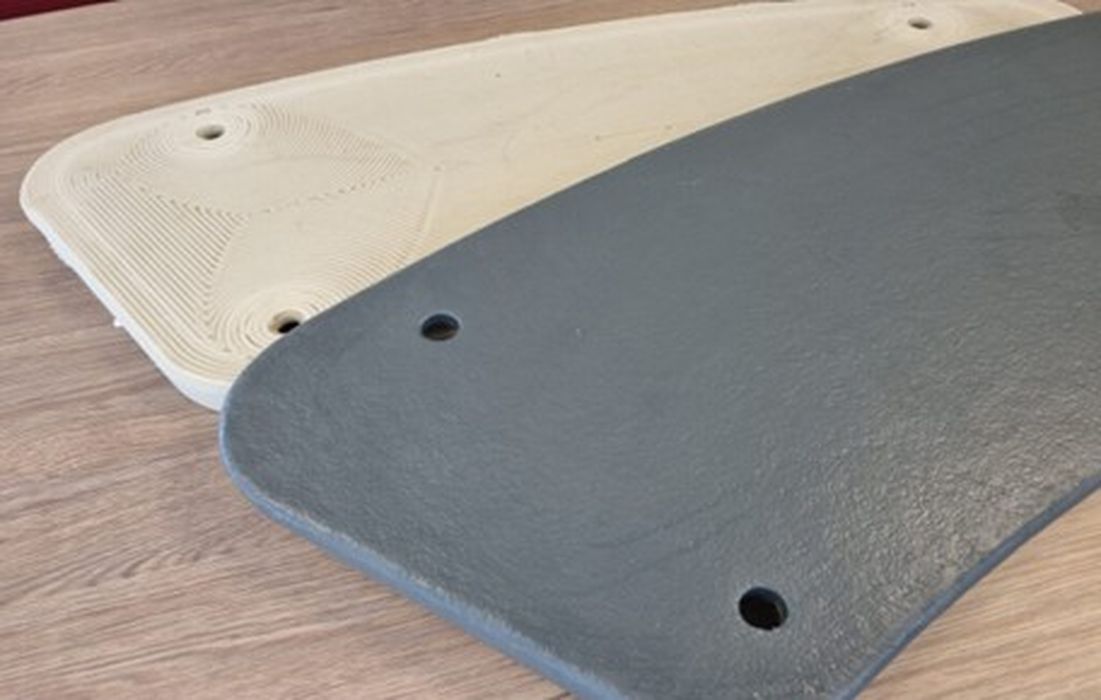
Notably, Shell used 3D printing in offshore operations in Nigeria to dramatically reduce operating costs for replacing a polymer sealing cover on a mooring buoy, a component that was no longer readily available and required lead times of more than 16 weeks. Due to an upcoming rainy season, producing a conventional mold was not feasible, and replacing the full metal assembly would have been costly. Instead, Shell worked with Poly Products to 3D print the cover plates. The components were produced in fiber-reinforced PETG under Poly Products’ ENLARG3D label using a CEAD Prime 3D printer. The original part was scanned by the local Nigerian team and then reverse-engineered into a 3D-printable file, with fabrication being completed within two weeks, achieving around 90% cost savings compared to traditional replacement methods.
Chevron
Chevron is one of Nigeria’s leading oil producers and investors, with a 2.9-million-acre oil and gas footprint as of 2024. The company has strategically utilized 3D printing technology to resolve supply chain challenges and enhance operational efficiency across its petrochemical and refining facilities. In 2022, during a routine maintenance shutdown at a U.S. refinery, Chevron faced supply chain issues and long lead times for traditionally produced components, which put the restart schedule in jeopardy. To address this challenge, Chevron explored AM as a solution, partnering with Lincoln Electric Holdings and Stress Engineering Services to produce eight nickel alloy replacement parts using wire-based metal 3D printing. By using additive manufacturing, the team was able to produce the replacement parts faster in just 30 days, averting the procurement crisis and keeping the restart on track.
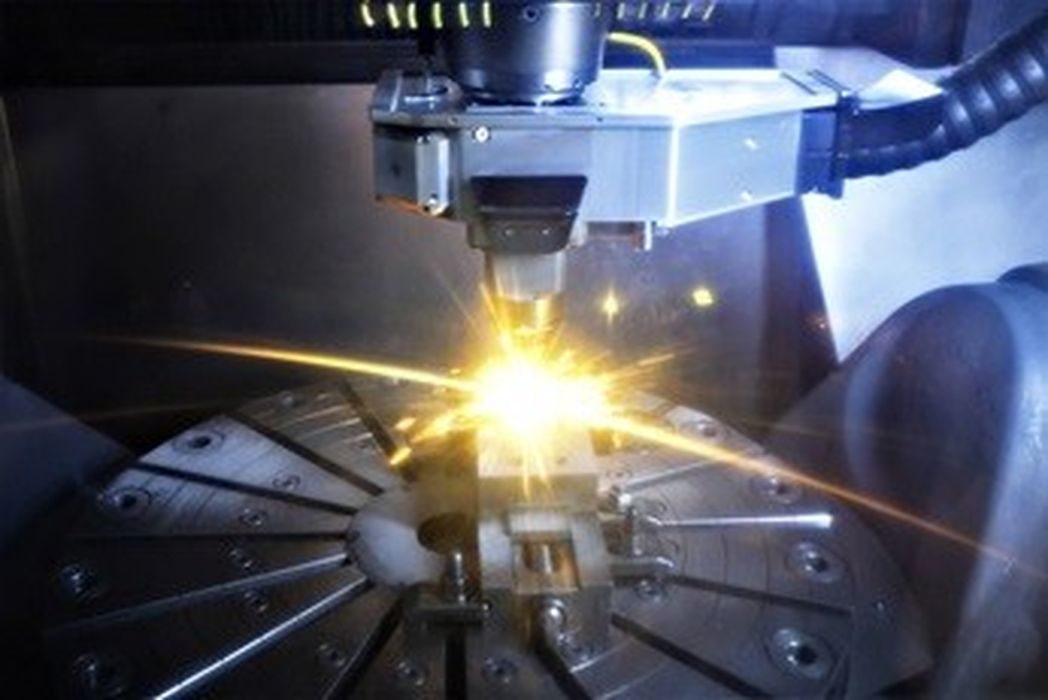
Chevron has also previously collaborated with Sulzer, a global engineering and manufacturing company, on a two-year joint project to develop a hybrid additive manufacturing system that reduces spare parts inventory while maintaining operational flexibility. The innovative process integrates 5-axis CNC milling with laser metal deposition (LMD) within a single manufacturing
cell, enabling rapid production of complex parts like impellers by iteratively adding material and then machining it to precise tolerances. This process not only delivers superior surface finishes compared to cast components but also enables Chevron to manufacture obsolete parts for legacy equipment with dramatically reduced lead times, taking days, instead of the 15 to 20 weeks typically required for traditional casting. The technology was successfully validated in 2019 when Chevron needed a replacement impeller for a chemical processing pump handling corrosive fluids. A 3D model was developed for the impeller using available design drawings, and machine instructions for the hybrid additive manufacturing system were programmatically generated and used to create the new impeller in hours.
SLB (Schlumberger Limited)
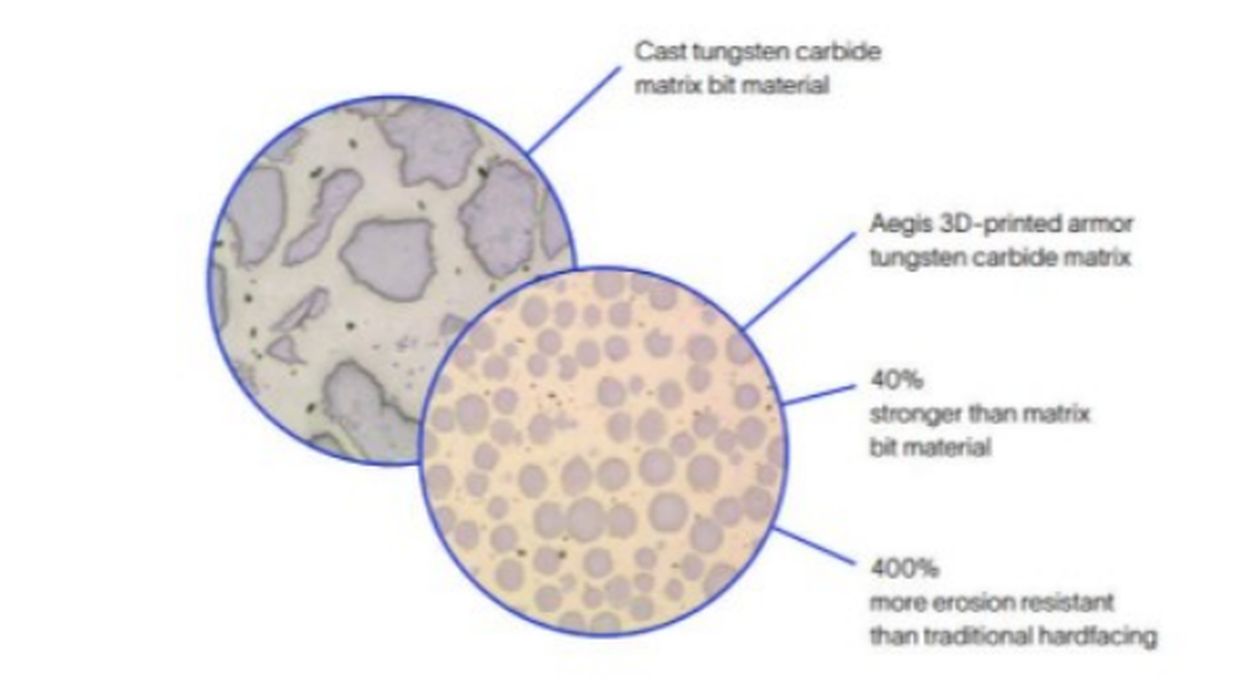
SLB has operated in Nigeria for over seven decades, having logged the country’s first commercial oil well in Oloibiri, Bayelsa State, in 1952. Globally, the company has established itself as a leader in applying additive manufacturing to mission-critical oilfield equipment, with its flagship Aegis 3D printed armor cladding technology demonstrating the transformative potential of 3D printing in extreme drilling environments. Aegis armor uses an electron beam additive manufacturing process to apply tungsten carbide material onto drill bit blades, achieving 400% greater erosion resistance and 40% higher blade strength compared to conventional hardfacing methods. This enables operators to reach higher rates of penetration and extend bit life in harsh downhole conditions.
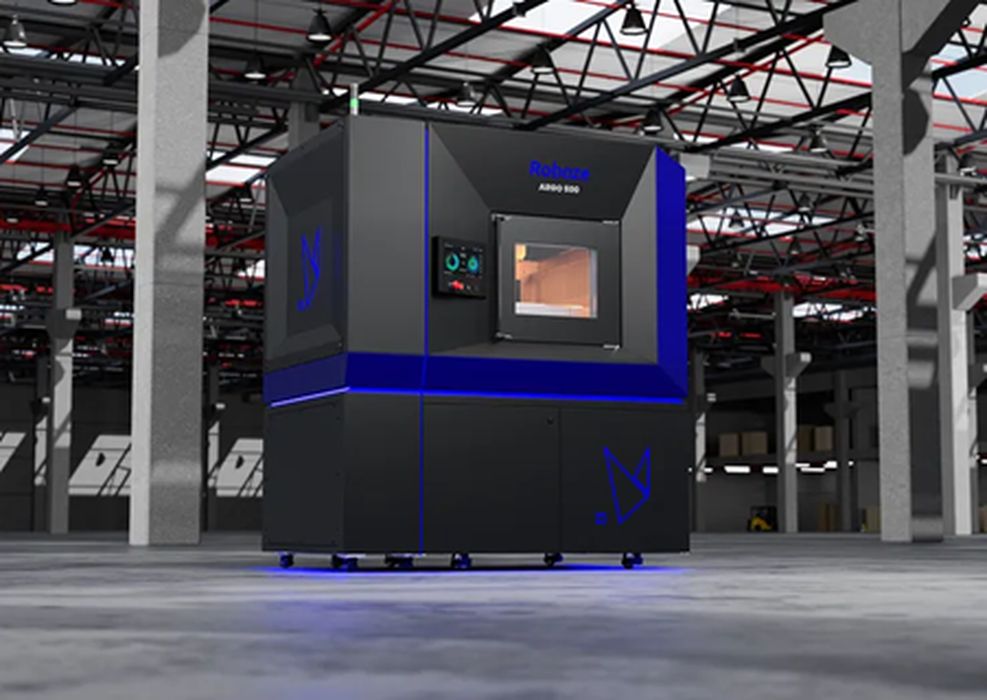
SLB has also teamed up with Italian industrial additive manufacturing company Roboze to manufacture spare parts from high-performance super polymers such as PEEK and carbon fiber PEEK for downhole oil and gas operations. In January 2025, the firms signed a Memorandum of Understanding (MoU) to leverage Roboze’s advanced AM capabilities to produce SLB-qualified components on demand locally in Saudi Arabia.
RusselSmith
RusselSmith, a Nigeria- based integrated energy solutions provider, has emerged as a pioneer in deploying industrial additive manufacturing for the oil and gas sector in West Africa. In October 2023, RusselSmith became the first company to receive Nigerian Upstream Petroleum Regulatory Commission (NUPRC) approval to implement its industrial non-metallic AM solution within the Nigerian oil and gas domain. RusselSmith will partner with Industrial 3D Printing systems provider, Roboze, to deliver the AM solution, which employs high-performance materials, including super polymers and composites, to manufacture finished components with improved resistance to material degradation and corrosion. This enables fully functional parts to be produced locally, faster, and cheaper compared to traditional methods, positioning the firm to address critical supply chain challenges facing Africa’s largest oil-producing nation.
The company has also partnered with 3D printing software company 3YOURMIND to identify, digitize, and additively manufacture parts for upstream operations in Nigeria’s oil and gas industry. The Nigerian oil and gas industry increasingly struggles to maintain aging assets due to the limited availability of legacy parts, many of which are no longer manufactured or easily remade. RusselSmith addresses this gap by additively manufacturing these legacy components locally, helping operators reduce downtime, improve uptime, and lower costs. RusselSmith leverages 3YOURMIND’s specialized software to evaluate oil and gas components for their suitability for additive manufacturing. The team then optimizes the components’ design and evaluates appropriate AM approaches. Validated designs are cataloged in a digital inventory system powered by 3YOURMIND software for on-demand printing.
The Research & Development Tax Credit
The now permanent Research & Development Tax Credit (R&D) Tax Credit is available for companies developing new or improved products, processes and/or software.
3D printing can help boost a company’s R&D Tax Credits. Wages for technical employees creating, testing and revising 3D printed prototypes can be included as a percentage of eligible time spent for the R&D Tax Credit. Similarly, when used as a method of improving a process, time spent integrating 3D printing hardware and software counts as an eligible activity. Lastly, when used for modeling and preproduction, the costs of filaments consumed during the development process may also be recovered.
Whether it is used for creating and testing prototypes or for final production, 3D printing is a strong indicator that R&D-eligible activities are taking place. Companies implementing this technology at any point should consider taking advantage of R&D Tax Credits.
Conclusion
Ongoing investments and capacity expansions in Nigeria’s oil and gas sector present ample opportunities for energy companies to utilize 3D printing technology to further revolutionize the industry and solidify the country’s dominant role in Africa’s energy landscape. As demonstrated by international operators like Shell, Chevron, and SLB, along with West Africa’s first NUPRC-approved additive manufacturing provider, RusselSmith, additive manufacturing offers practical solutions to the chronic challenges plaguing Nigeria’s oil and gas sector. By enabling on-demand, localized production of complex components, 3D printing reduces lead times from weeks to days or even hours, digitizes inventories, cuts waste, and allows for optimized designs that boost efficiency even in remote and challenging locations. In a growing oil and gas sector such as Nigeria’s, 3D printing reduces dependence on imported goods, strengthens supply-chain resilience, and positions the country to develop the advanced manufacturing ecosystem necessary to sustain its expanded energy infrastructure while supporting broader industrial development across the African continent.