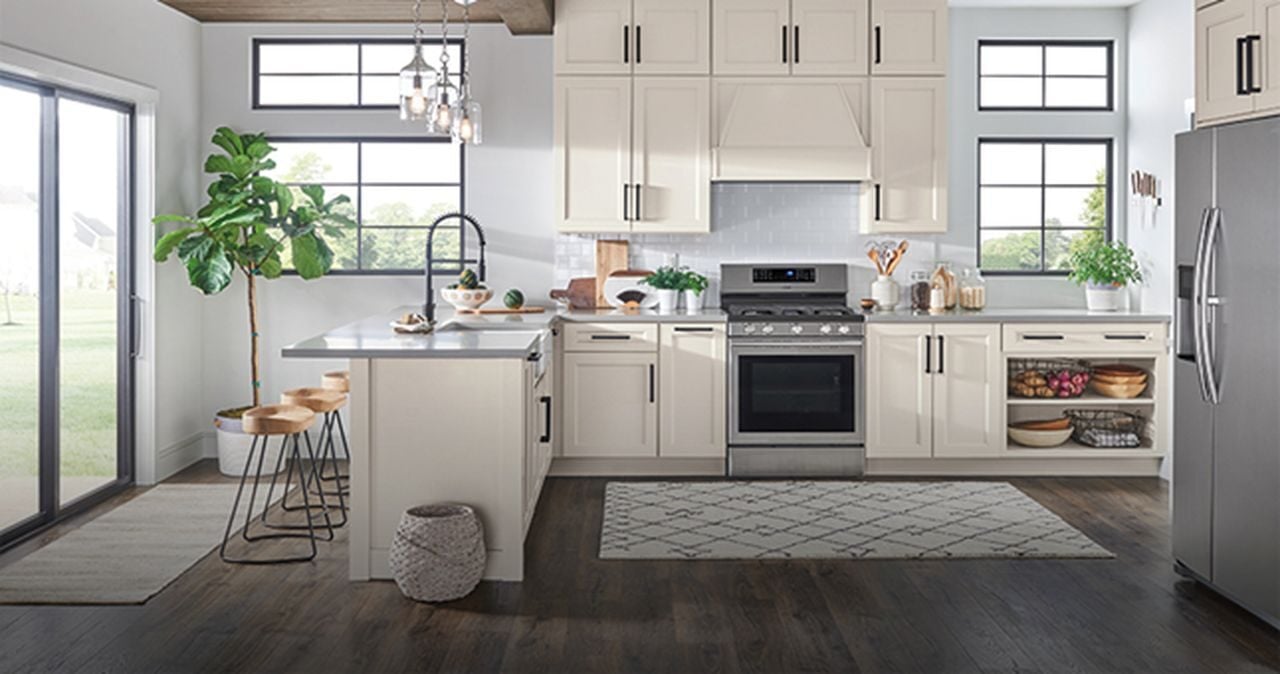
Charles R. Goulding and Andressa Bonafe unpack the role 3D printing can play in light of recent tariffs and consumer trends related to kitchen cabinets.
More than a backdrop, kitchen cabinets set the stage for how a home functions and feels, balancing form, storage, and cost in ways that ripple through the entire housing and remodeling economy. For many families, the kitchen is the heart of their homes as they share meals they create shared memories. But, as tariffs, consumer trends, and labor challenges reshape the industry, 3D printing is expanding opportunities across custom hardware and production tooling, with the potential to redefine how these everyday essentials are made.
The Remodel Engine Behind Cabinet Sales
The cabinet sector is tightly coupled to the U.S. housing cycle. With mortgage rates hovering at multi-decade highs, new home construction has slowed, and remodeling now drives demand. Kitchens remain the single most valuable upgrade for resale, and millennial buyers entering older homes consistently prioritize cabinetry refreshes. In this environment, 3D printing can act as a bridge technology, delivering custom prototypes and low-volume runs quickly for renovation-focused designs, without the long lead times of conventional tooling.
Tariffs Reshape the Cabinet Supply Chain
Starting in October, imported kitchen cabinets face new Section 232 tariffs: major outlets report 25% effective Oct. 14, 2025, with rates rising to as high as 50% on Jan. 1, 2026. On top of that, the administration’s universal 10% import tariff took effect this spring, and existing anti-dumping/countervailing duties on Chinese wooden cabinets and vanities were just continued after a five-year sunset review. A recent New York Times piece reports that these measures are likely to raise building and renovation costs and further strain an already weak housing market.
Beyond trade policy, input costs add another layer of volatility: core wood products (plywood, MDF, particleboard) move with lumber markets, and decorative laminates depend on resin/adhesive pricing and logistics. In that scenario, 3D printing can help reduce the risk of operations by producing fixtures, jigs, guides, and replacement hardware on demand, shortening changeovers and letting manufacturers iterate fittings and accessories faster as material standards and sustainability targets evolve.
Customization as the Next Competitive Edge
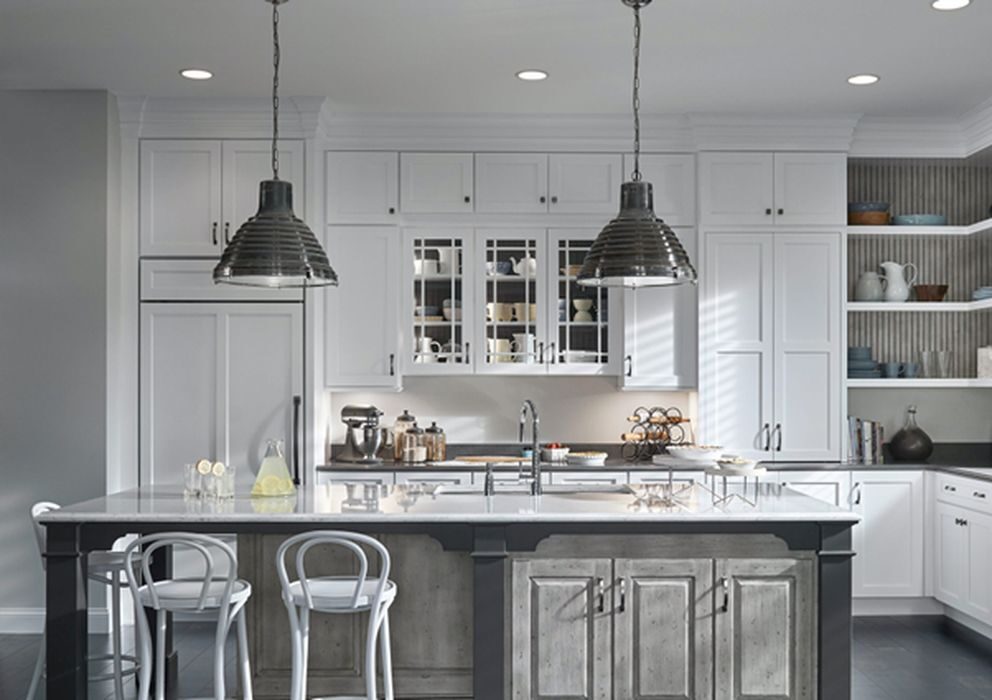
With import costs rising and materials still volatile, differentiation matters more than ever. That pressure meets a consumer market that has moved beyond one-size-fits-all kitchens. Customization and personalization now take center stage, from mixed finishes to hybrid open-shelving layouts. Homeowners expect bespoke drawers, organizers, and handle designs that match daily routines. For cabinet makers, this is where additive manufacturing fits: short-run customization at practical costs and lead times. The shift toward smart kitchens (charging drawers, integrated lighting, appliance garages) also demands new hardware geometries that go through multiple prototype cycles. 3D printing speeds those iterations and keeps development spend under control.
Finding Productivity in a Tight Labor Market
As design teams push deeper into personalization, the production burden lands on the shop floor. Cabinet manufacturing is still labor-intensive, and the U.S. faces a shortage of skilled woodworkers and carpenters. Additive manufacturing can help close that gap: printed drill guides, assembly fixtures, and ergonomic tools cut changeover time, reduce training complexity, and standardize tricky steps across crews. In a thin-margin, rate-sensitive market, every hour saved on the line matters.
Size, Synergy, and the Next Phase of Cabinetry
With tariffs reshaping costs, design pushing customization, and labor tight on the shop floor, scale is fast becoming a deciding factor in cabinetry. In August 2025, two major industry players, MasterBrand and American Woodmark announced a US$3.6 billion all-stock merger, targeting a close in early 2026 pending approvals. Together, they will control the most comprehensive brand portfolio in the U.S. market, spanning entry-level to premium cabinetry. The merger promises roughly US$90 million in cost synergies within three years.
For the rest of the field, modernization pressure rises. Cabinetworks Group, Wellborn, Koch & Company, and Wood-Mode are navigating the same tariff-heavy environment with thinner margins and smaller scale. On the retail/distributor side, Cabinets To Go offers a useful case study: a nationwide chain that has relied on significant overseas sourcing, with public import databases showing well over a thousand shipments across recent years, exposure that becomes more expensive as duties escalate. Those dynamics strengthen the argument for onshoring pieces of the assortment where speed, customization, or cost certainty matter most.
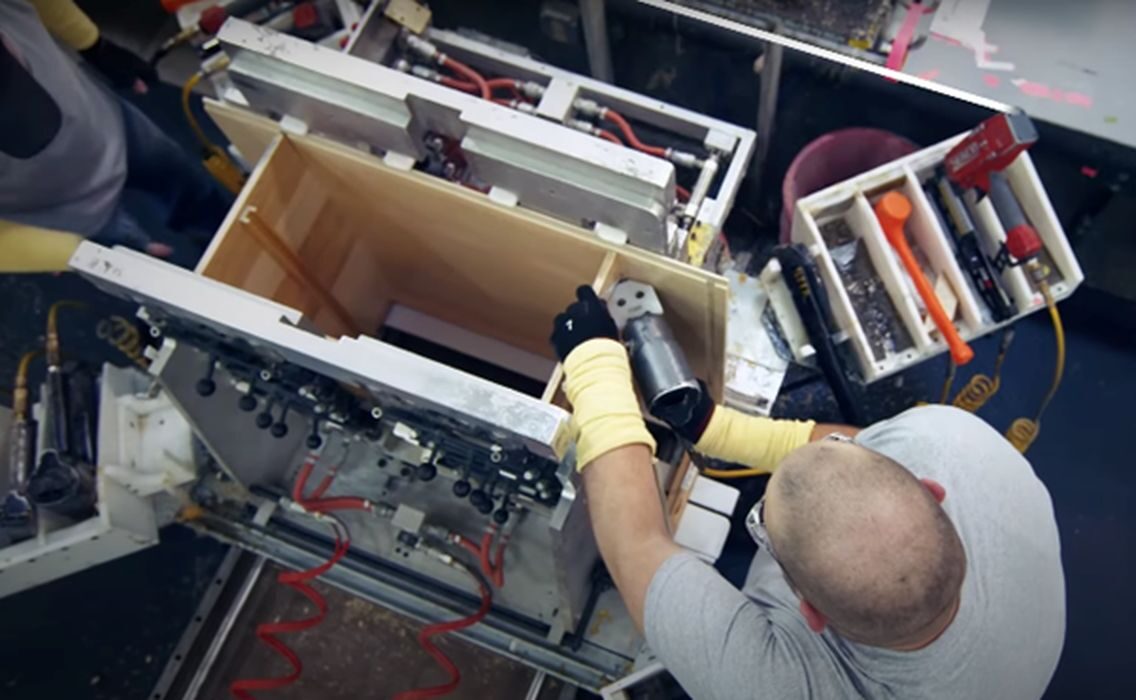
That’s where additive manufacturing fits. Larger players can pilot 3D printed tooling, fixtures, and even short-run hardware to compress changeovers and diversify SKUs without committing to long-lead tooling; distributors can use desktop printers for quick-turn accessories and replacements that keep installs on schedule. Across both models, documented experimentation and iterative design may qualify for the U.S. R&D Tax Credit, offsetting a portion of the investment while companies adapt to the new cost structure.
The Research & Development Tax Credit
The now permanent Research and Development (R&D) Tax Credit is available for companies developing new or improved products, processes and/or software.
3D printing can help boost a company’s R&D Tax Credits. Wages for technical employees creating, testing and revising 3D printed prototypes can be included as a percentage of eligible time spent for the R&D Tax Credit. Similarly, when used as a method of improving a process, time spent integrating 3D printing hardware and software counts as an eligible activity. Lastly, when used for modeling and preproduction, the costs of filaments consumed during the development process may also be recovered.
Whether it is used for creating and testing prototypes or for final production, 3D printing is a great indicator that R&D Credit eligible activities are taking place. Companies implementing this technology at any point should consider taking advantage of R&D Tax Credits.
Conclusion
As the cabinet industry navigates rising tariffs, shifting consumer expectations, labor shortages, and major consolidation, 3D printing is becoming increasingly strategic. It offers both manufacturers and distributors a practical way to manage costs, respond to design trends, and increase productivity in a volatile market. Whether enabling faster prototyping, short-run customization, or shop-floor efficiency, additive manufacturing technologies also unlock access to R&D tax incentives that can help offset investment risk. In an environment where scale and adaptability determine who thrives, 3D printing positions cabinet makers not just to keep pace, but to mold the way we furnish our kitchens, and the next chapter of this essential segment of the housing economy.