Charles R. Goulding and Preeti Sulibhavi connect the latest census trends to emerging 3D printing hubs across the U.S.
New demographic data from the 2025 U.S. Census estimates are revealing profound shifts in population growth across the nation — with implications not just for economics and public policy, but for the future of industry sectors like 3D printing and advanced manufacturing. As businesses look to allocate resources and plan long-term strategies, understanding these trends is now critical.
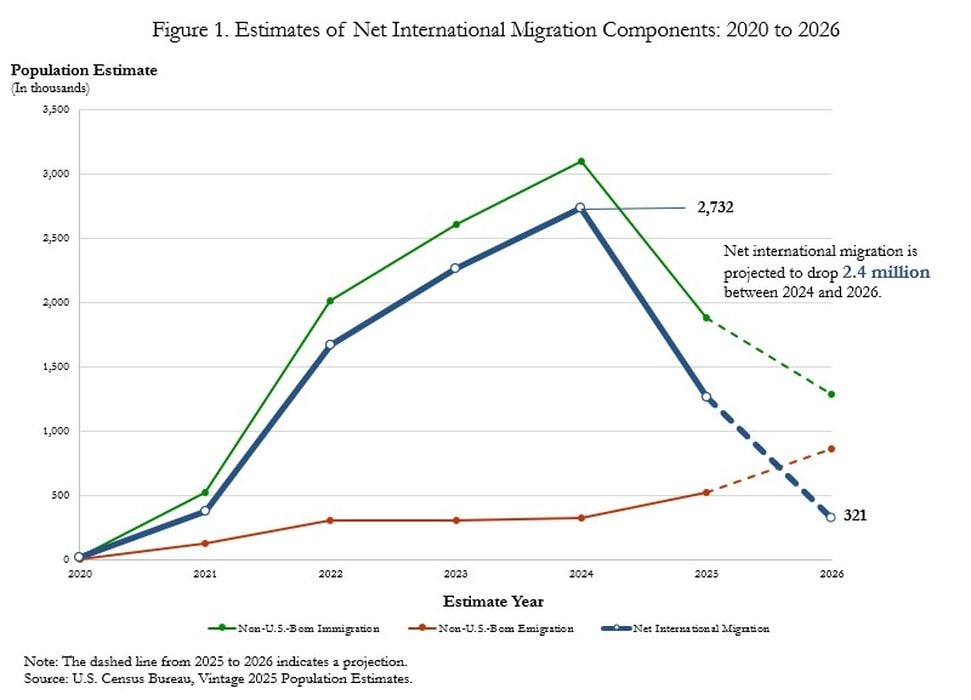
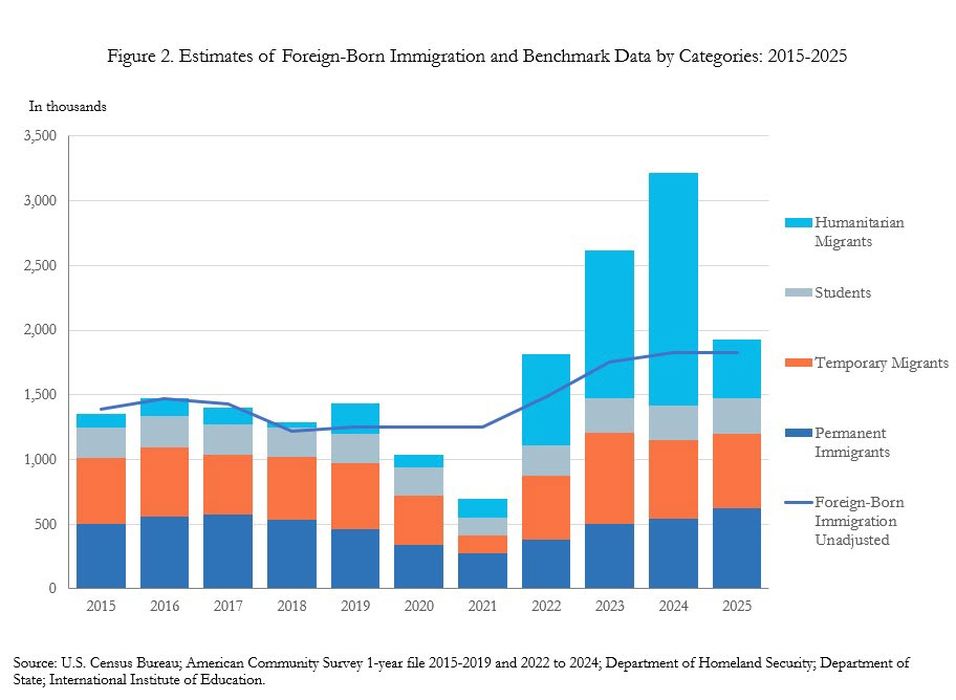
According to the latest Census Bureau estimates, U.S. population growth slowed dramatically between July 2024 and July 2025, expanding by just about 1.8 million people — a 0.5 percent rise — one of the slowest growth rates since the COVID-19 pandemic period. The primary cause: a historic decline in net international migration, which dropped from about 2.7 million new residents to 1.3 million in a year.
For the first time in decades, net migration — the foreign-born population’s contribution to U.S. population growth — fell sharply, potentially moving toward net negative levels if current policies continue.
Why Demographics Matter for 3D Printing and Manufacturing
Sophisticated CEOs and marketing leaders have long used demographic data to forecast demand, allocate investments, and plan product roadmaps. For an emerging technology like 3D printing, especially where adoption intersects with advanced manufacturing, labor skills, and regional industrial strengths, shifts in population size, composition, and economic characteristics directly influence growth opportunities.
Population decline or lagging growth can shrink markets for standard consumer goods — affecting everything from soap and ketchup purchases to demand for hardware and industrial equipment. But changes in the economic makeup of populations often matter more: areas attracting higher-earning professionals tend to support emerging tech adoption more rapidly, including investments in advanced manufacturing and 3D printing capabilities.
Let’s explore how these demographic trends are reshaping regional economies and the 3D printing ecosystem across key U.S. states and markets.
Florida: A Shift Toward Affluence — And Innovation Opportunities
Florida’s population trends are diverging from the classic retiree migration story of past decades. Traditional moderate-income retirees — once a steady source of population growth — are slowing as rising living costs make the state less affordable for that group. Instead, Florida, and especially the Miami metropolitan area, is increasingly attracting more affluent residents drawn by business opportunities, international connections, and a warmer climate.
This shift has broadened economic demand beyond typical goods and services into luxury markets — from yacht sales to high-end retail — and technology investments. A stronger affluent base also tends to support innovation ecosystems, including startups and production facilities.
For example, Divergent Technologies, a California-founded 3D printing company building advanced additive manufacturing systems and reshoring printing supply chains, is an example of advanced manufacturing increasingly relevant to the Sunshine State’s evolving economy.
The Carolinas: Growing Hubs for Talent and Aerospace Manufacturing
Population flows have repositioned the Carolinas as some of America’s fastest-growing states. According to recent census estimates, South Carolina’s population increased by about 1.5 percent between 2024 and 2025 — the fastest of any state — while North Carolina grew by roughly 1.3 percent.
These gains are significant for industries that depend on skilled labor and innovation infrastructure. North Carolina’s aerospace and research sectors, for example, continue to expand. Fabbaloo has highlighted aerospace’s increasing use of 3D printing thermoplastics and advanced materials, which are critical to lightweight, high-performance components in aircraft manufacturing.
Additionally, institutions like UNC Chapel Hill support research that intersects with advanced manufacturing and additive production — further strengthening the region’s tech ecosystem.
Texas: Regional Growth and Frontier Manufacturing
Texas remains one of the nation’s largest and most dynamic states by population, with rising numbers continuing in major urban centers like Houston, Dallas, and Austin. These metropolitan areas fuel demand for innovative industrial applications, including 3D printing services, prototyping clusters, and high-tech production.
However, Texas also illustrates how national immigration policy can alter local population patterns. Border regions have seen a steep drop in new migrant entry, dropping to near zero after southern border closures — a big change for border economy dynamics.
The state’s vibrant manufacturing and technology clusters — from aerospace to medical devices — make it a core target for additive manufacturing growth, but strategies must consider regional differences within Texas itself.
California: Out-Migration Doesn’t Stop Innovation
California continues to lose residents to out-migration, a trend reflected in recent Census estimates showing little to no net population growth for the state. Yet, for companies that stay and innovate, California still offers compelling reasons to invest — particularly in R&D incentives and robust tech ecosystems.
Fabbaloo’s own coverage of El Segundo’s rise as a hardware and advanced manufacturing hub highlights how 3D printing and aerospace innovation continue to intersect in Southern California.
And companies like Divergent, with operations rooted in California’s tech culture and expanding nationally, showcase how additive manufacturing firms gravitate toward these rich innovation networks even as broader demographic flows trend outward.
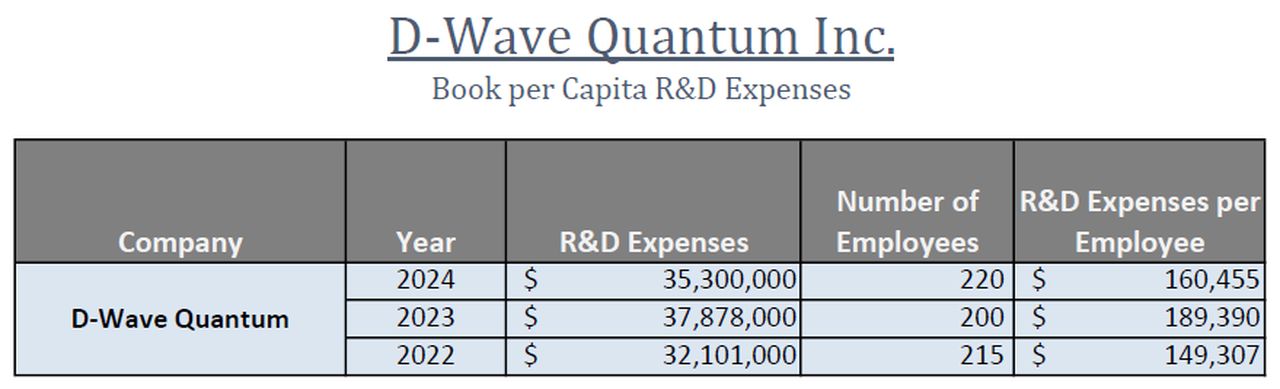
Leading quantum company D-Wave Quantum (D-Wave) has just announced a headquarters shift from California to Boca Raton, Florida, including a concurrent investment into Florida Atlantic University. D-Wave also recently purchased Quantum Circuits Inc. for US$550 million.
Together with generous state R&D tax credits and proximity to major research universities, California remains a hotbed for advanced 3D printing innovation — even as workforce and housing costs shape broader population dynamics.
Midwest: Stability and Strategic Centers
In contrast to the dramatic population changes seen in the South and West, the Midwest’s overall population has remained relatively static in recent estimates. Still, this region holds important industrial strengths that matter for the 3D printing sector.
Ohio, for example, with institutions like Wright-Patterson Air Force Base and its associated research ecosystem, supports aerospace and defense supply chains where additive manufacturing has clear strategic value. These facilities often rely on advanced production methods like metal 3D printing for complex aircraft and weapons parts — sustaining demand even in slower population markets.
Similarly, Indiana’s pharmaceutical and medical device clusters, anchored by companies like Eli Lilly, create fertile ground for 3D printed medical devices, tooling, and prototyping use cases.
Boston and Pennsylvania: Innovation and Manufacturing Growth
While Boston experienced a population dip following the 2020 COVID era, recent data suggests a rebound as the city’s innovation ecosystem remains strong — particularly in biotech, pharma, laboratory equipment, and 3D printing research. Institutions like MIT and Harvard contribute to a tech-rich environment where additive manufacturing intersects with life sciences and engineering challenges.
Nearby Pennsylvania has also seen population stabilization and modest increases recently, buoyed by major investments such as Eli Lilly’s $3.5 billion plant creating 850 jobs — a boost not only to employment but to local supply chains that include prototyping and parts production where 3D printing plays a role. The state’s meaningful R&D tax credits further support innovation and manufacturing activity.
The Research & Development Tax Credit
The now permanent Research & Development Tax Credit (R&D) Tax Credit is available for companies developing new or improved products, processes and/or software.
3D printing can help boost a company’s R&D Tax Credits. Wages for technical employees creating, testing and revising 3D printed prototypes can be included as a percentage of eligible time spent for the R&D Tax Credit. Similarly, when used as a method of improving a process, time spent integrating 3D printing hardware and software counts as an eligible activity. Lastly, when used for modeling and preproduction, the costs of filaments consumed during the development process may also be recovered.
Whether it is used for creating and testing prototypes or for final production, 3D printing is a strong indicator that R&D-eligible activities are taking place. Companies implementing this technology at any point should consider taking advantage of R&D Tax Credits.
In Summary
Marketing managers should treat the latest census data as a strategic input rather than a background statistic. National population totals matter, but the more actionable insight comes from understanding where populations are growing or contracting and, more importantly, how the economic profile of those populations is changing. Regions attracting higher-income residents, advanced manufacturing talent, and research activity are more likely to support adoption of 3D printing for prototyping, production, and supply-chain resilience. Conversely, areas experiencing population decline or reduced immigration may face labor shortages and weaker demand, requiring more automation and localized manufacturing solutions. By closely analyzing regional census data alongside employment, income, and industry concentration trends, marketing managers can better align 3D printing products and services with real market needs, ensuring that offerings are positioned where they deliver the most value and long-term growth potential.