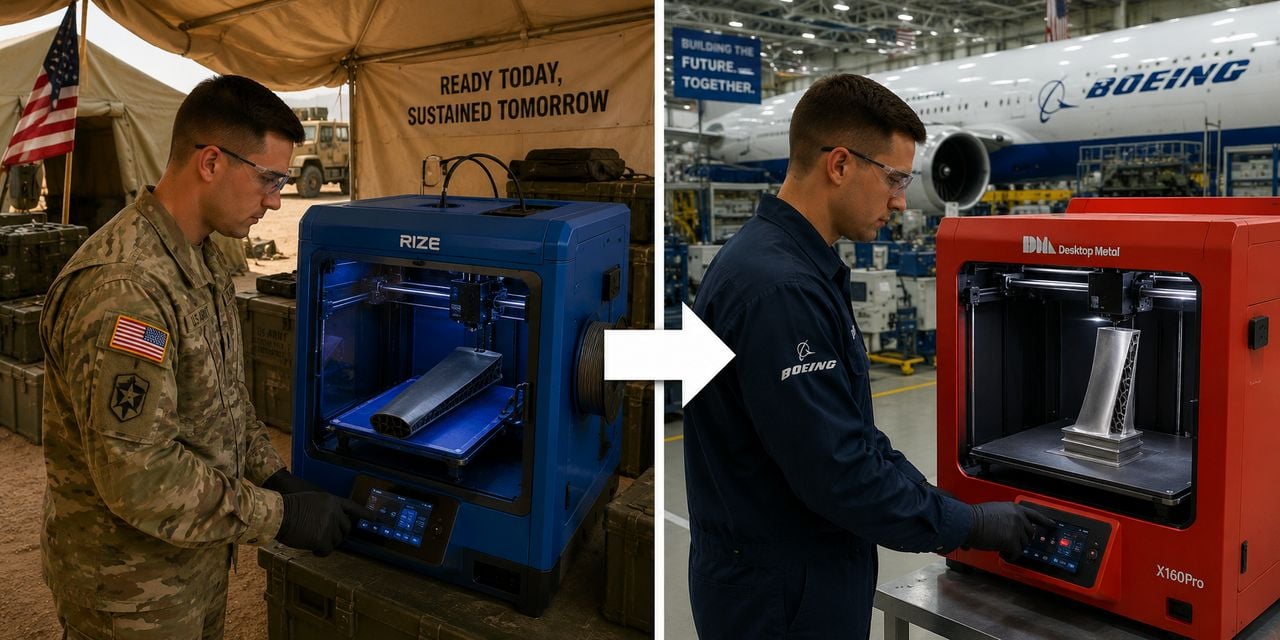
Charles R. Goulding and Preeti Sulibhavi discuss how Florida’s innovative SkillBridge initiative connects transitioning service members with employers seeking skilled talent to help meet growing production demands and record aerospace backlogs.
Transitioning from military service to civilian employment has never been simple. Veterans often leave the armed forces with years of leadership experience, technical expertise, and specialized training, yet many still face challenges translating those skills into civilian careers.
One program is changing that equation.
Florida’s SkillBridge initiative, administered through Veterans Florida, is helping active-duty service members gain real-world civilian work experience before they separate from military service. By connecting transitioning military personnel with employers across Florida, the program creates a smoother pathway into high-demand industries while reducing the uncertainty that often accompanies military-to-civilian transitions.
One aspect of the Florida SkillBridge Program that may be particularly relevant to the additive manufacturing industry is the growing number of veterans who already have exposure to 3D printing technologies during their military service.
Over the past several years, the U.S. military has increasingly adopted additive manufacturing to address supply chain challenges, reduce downtime, and produce replacement parts closer to the point of need. Fabbaloo has previously reported on Army initiatives that used 3D printing to produce replacement components, including a notable case involving the manufacture of a washing machine part that eliminated the need for traditional procurement channels. Similar efforts have been documented aboard Navy vessels, where crews have used additive manufacturing systems to produce parts while at sea, reducing delays associated with conventional logistics networks.
As a result, many transitioning service members are no longer encountering additive manufacturing for the first time when entering civilian employment. They may already understand digital inventories, distributed manufacturing concepts, rapid prototyping workflows, and the operational advantages of producing parts on demand.
This experience arrives at a critical time for the aerospace sector.
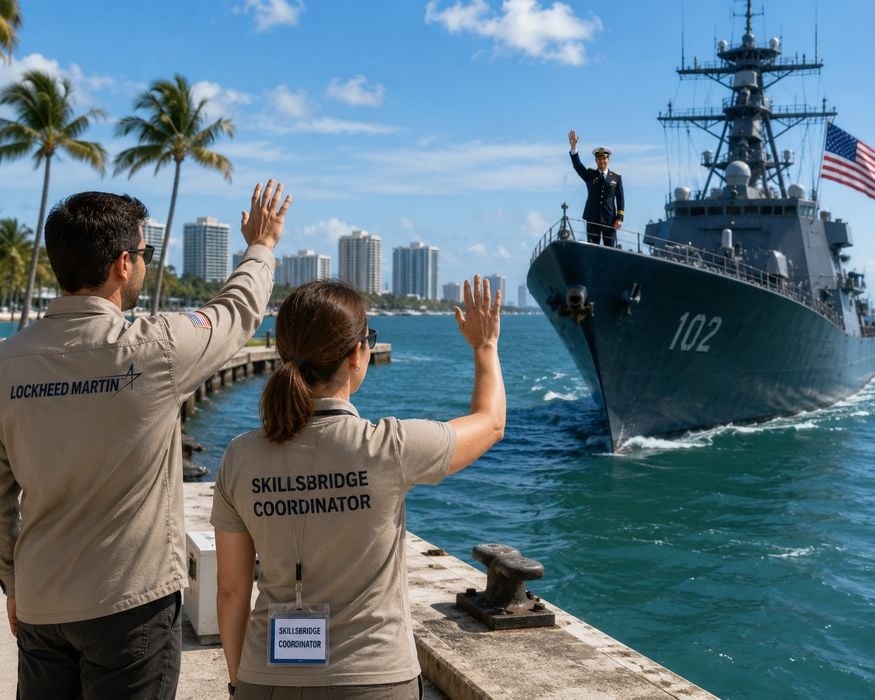
Many large manufacturers, including those in the aerospace and defense industries, are participating in SkillBridge.
In fact, major aerospace manufacturers including Boeing and Lockheed Martin continue to manage substantial order backlogs while simultaneously facing workforce development challenges. The demand for skilled technicians, manufacturing specialists, quality control personnel, and production engineers remains high throughout the aerospace supply chain.
Florida’s Unique Approach
While SkillBridge is a national Department of Defense initiative, Florida has developed one of the country’s most comprehensive support structures around the program.
Veterans Florida, a nonprofit created by the State of Florida, serves as a Department of Defense-approved SkillBridge third-party provider. The organization helps service members navigate eligibility requirements, obtain command approval, identify opportunities, and connect with employers throughout the state.
Military branches often have different approval processes and administrative requirements. Veterans Florida provides guidance throughout the process, helping participants understand timelines and increasing the likelihood of a successful placement. According to the organization, service members can begin exploring opportunities up to 24 months before separation and are encouraged to start planning 9 to 12 months in advance.
The result is a more structured transition process that benefits both veterans and employers.
Why Florida Is Investing in Veteran Talent
Florida has long been one of the nation’s most veteran-friendly states. More than 1.5 million veterans call Florida home, making it one of the largest veteran populations in the country. The state also hosts numerous military installations and sees thousands of service members transition out of active duty each year.
Recognizing the economic value of retaining this highly trained workforce, Florida lawmakers formally established support for the SkillBridge initiative through state legislation. The goal is straightforward: train, retain, and attract military talent to strengthen Florida’s workforce and economic competitiveness.
From an economic development perspective, the strategy makes sense.
Employers gain access to disciplined, experienced professionals who already possess leadership, teamwork, problem-solving, and technical skills. Veterans gain a direct pathway into civilian careers. Communities benefit from retaining skilled workers and their families.
It’s a workforce development model that creates value for all stakeholders.
Opportunities Across Multiple Industries
One of the strengths of Florida’s SkillBridge ecosystem is the diversity of industries available to participants.
Veterans Florida works with employers across a range of sectors, including:
- Aviation and aerospace
- Defense and homeland security
- Information technology
- Manufacturing
- Logistics and distribution
- Life sciences
- Agriculture
- Public service
- Law enforcement
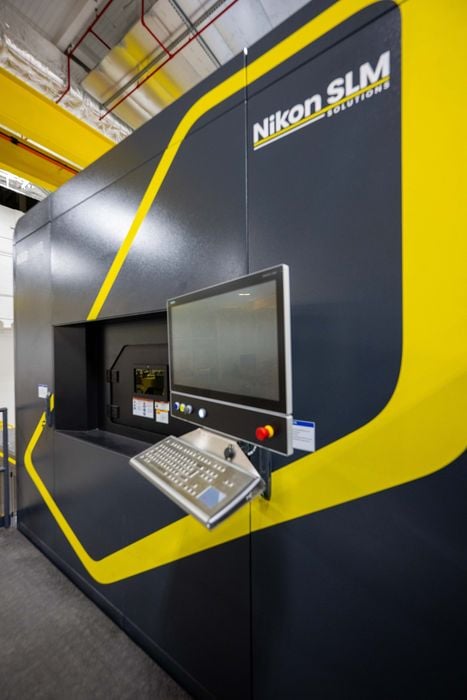
This broad industry participation reflects the reality that military skills are transferable across numerous career fields. These skills often include 3D printing and additive manufacturing experience from military operations. We have covered this in our previous article about Fort Liberty’s washing machine repair solution.
A service member with aviation maintenance experience may pursue opportunities in aerospace. Someone with logistics experience may transition into supply chain management. Military communications specialists often find opportunities in information technology and cybersecurity.
The program’s flexibility allows participants to explore industries they may not have previously considered while leveraging the skills they developed during military service.
Beyond Internships: Career Exploration and Professional Growth
SkillBridge is often described as an internship program, but that characterization undersells its impact. For many participants, the experience serves as a bridge not only to employment but also to a new professional identity. We have covered how major companies are expanding the US pipeline of skilled manufacturing talent in previous Fabbaloo articles, including Closing the Skills Gap, Layer by Layer « Fabbaloo.
Mainly, military culture differs significantly from civilian workplaces. Service members transitioning out of the military frequently encounter unfamiliar organizational structures, communication styles, and hiring practices.
SkillBridge placements allow participants to experience company culture firsthand, understand civilian workplace expectations, and develop confidence before separation. Many veterans cite this exposure as one of the most valuable aspects of the program.
Rather than making hiring decisions based solely on resumes and interviews, companies can evaluate candidates over an extended period. This reduces hiring risk and often leads to stronger long-term employment outcomes.
The arrangement effectively functions as a working interview that benefits both parties.
A Workforce Pipeline for the Future
As workforce shortages continue to affect industries across the United States, programs like SkillBridge are gaining increased attention.
Employers face growing challenges in recruiting qualified talent, particularly in technical and specialized fields. Meanwhile, thousands of highly trained service members leave the military each year seeking meaningful civilian employment.
Industry partners gain access to a motivated talent pool with proven leadership experience and extensive training. Service members gain practical experience, industry connections, and often a direct pathway to employment.
The program also reflects a broader shift in how organizations approach veteran hiring. Rather than viewing military experience as difficult to translate, employers are increasingly recognizing veterans as a strategic workforce asset.
Florida’s SkillBridge initiative demonstrates how state governments, workforce organizations, and private employers can work together to support veterans while simultaneously addressing workforce needs.
How Do Veteran-Led Prototyping Workflows Align with Research and Development Criteria?
Onboarding military specialists to design, test, and manufacture improved mechanical components involves resolving distinct structural and process uncertainties that qualify for federal tax incentives.
| Core R&D Technical Activity | IRS Four-Part Test Alignment | Financial Recovery Impact |
| Toolpath & Print Profile Optimization | Resolves engineering uncertainties regarding material shrinkage, powder bed fusion integrity, and layer-by-layer mechanical tolerances. | Captures qualified internal labor expenditures and wages paid to transitioning service members optimizing print parameters. |
| Material Substitute Verification | Conducts a systematic process of experimentation to test alternative high-strength alloys or technical polymers against aerospace stress requirements. | Recovers internal labor costs of testing technicians along with the direct cost of raw metallic powders or filaments consumed. |
| Digital Inventory Prototyping | Evaluates technical alternatives to transform legacy cast components into on-demand, 3D printed structural geometries. | Offsets engineering hours spent evaluating component performance criteria and performing non-destructive stress analysis. |
Strategic Insight for CFOs and Plant Directors: While the Department of Defense covers active-duty military salaries during a SkillBridge placement, any direct corporate expenses, supervisory engineering hours, and subsequent permanent employee wages dedicated to qualifying iterative prototyping qualify for the Section 41 R&D Tax Credit. Partnering with Veterans Florida creates a powerful financial dual-advantage: accessing a elite technical talent pool while building a robust, defensible repository of Qualified Research Expenses.
Bridging the Gap
SkillBridge is unique in that its main focus is not to train or re-train veterans for the civilian workforce. Instead, it aims to transition the skills veterans have already gained from military placement to civilian industries. Programs such as Florida SkillBridge create an opportunity to connect this experienced talent pool with employers that need workers familiar with advanced manufacturing technologies. For veterans who have worked with additive manufacturing systems in military environments, the transition into aerospace production facilities, defense manufacturing operations, and industrial 3D printing roles can be a natural extension of skills they have already developed while serving.
In many ways, SkillBridge is doing more than helping veterans find jobs. It helps transfer valuable technical knowledge acquired in military service into civilian industries that increasingly depend on advanced manufacturing technologies to meet production demands.