
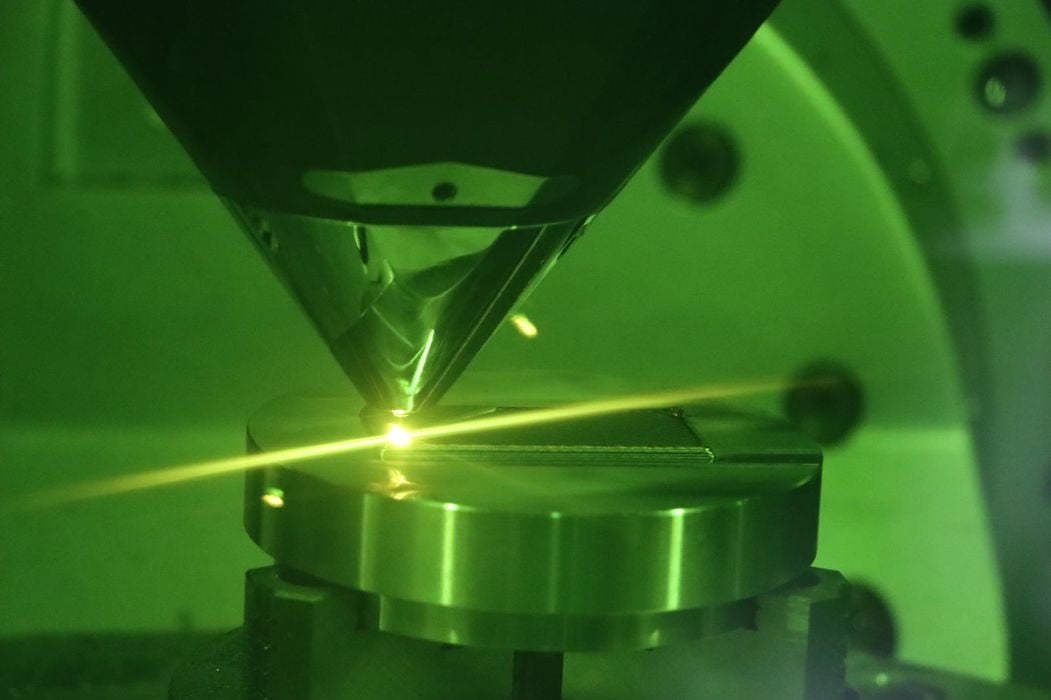
Meltio announced their participation in a new European project to develop a new steel alloy.
steel

Forging the Future: USFR’s US$875 Million Bet on American Steel
Charles R. Goulding and Aaron Rofe examine how US Forged Rings’ massive North Carolina investment signals a new era of vertically integrated, US-based manufacturing.
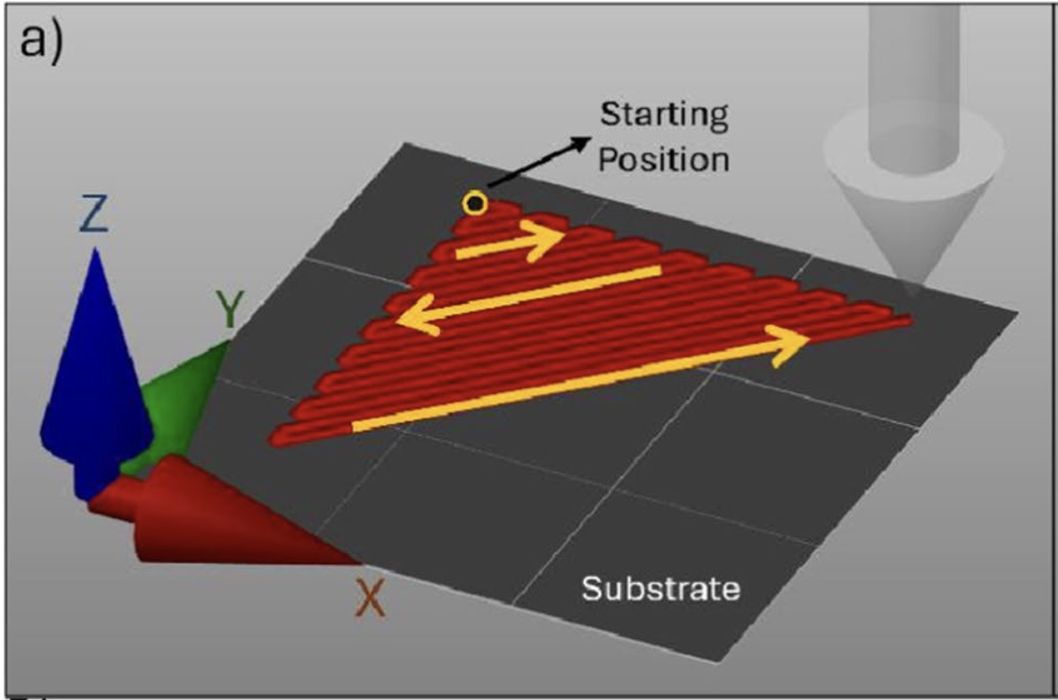
Predictive Low Power DED Nails 316L Repeatability
Researchers have shown a data-driven, low-power Directed Energy Deposition (DED) approach for 316L stainless steel that delivers sub‑5% porosity, forged‑level microhardness, and a clear path to repeatability.
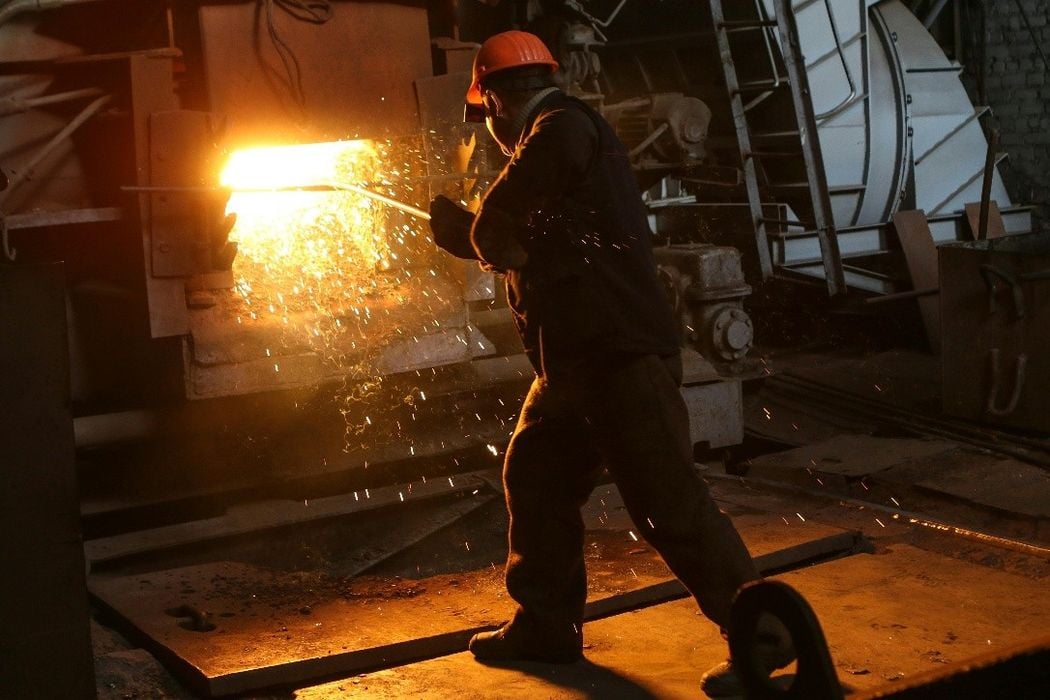
Birmingham’s Steel Sector is Rising Again
Charles R. Goulding and Aaron Rofe reveal why billions in new investment are turning Birmingham into a modern powerhouse for steel, innovation, and advanced manufacturing.
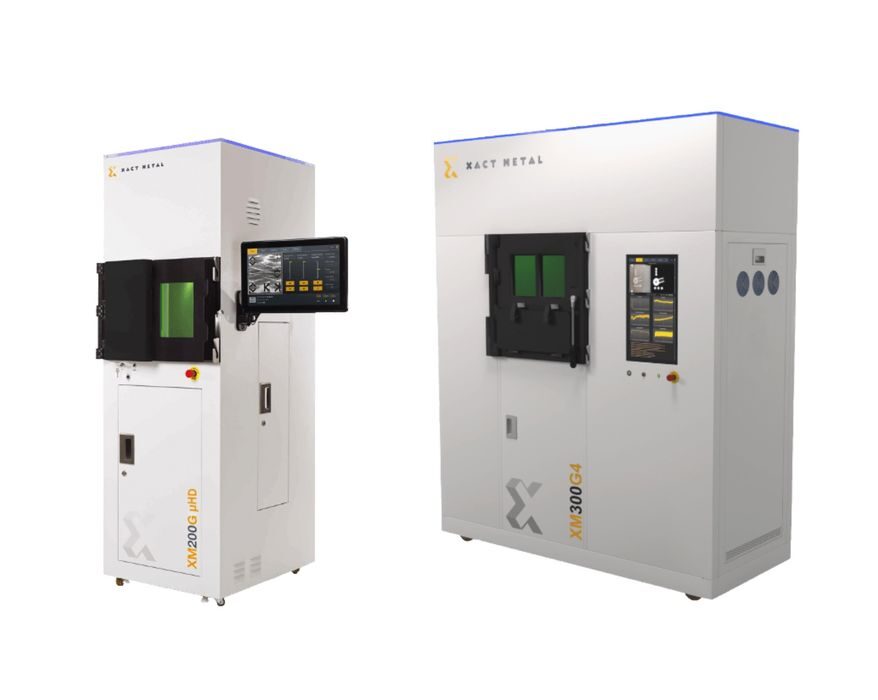
New Xact Metal Printers Target Micro-Resolution and Larger-Format Metal AM
Xact Metal announced not one, but two new metal 3D printers.

Reinventing Nuclear: How TNC and Nucor Are Laying the Groundwork for Additive Manufacturing
Charles R. Goulding and Andressa Bonafe highlight how TNC’s AI-driven Nuclear Operating System and Nucor’s certified steel supply could finally bring 3D printing to scale in nuclear energy.
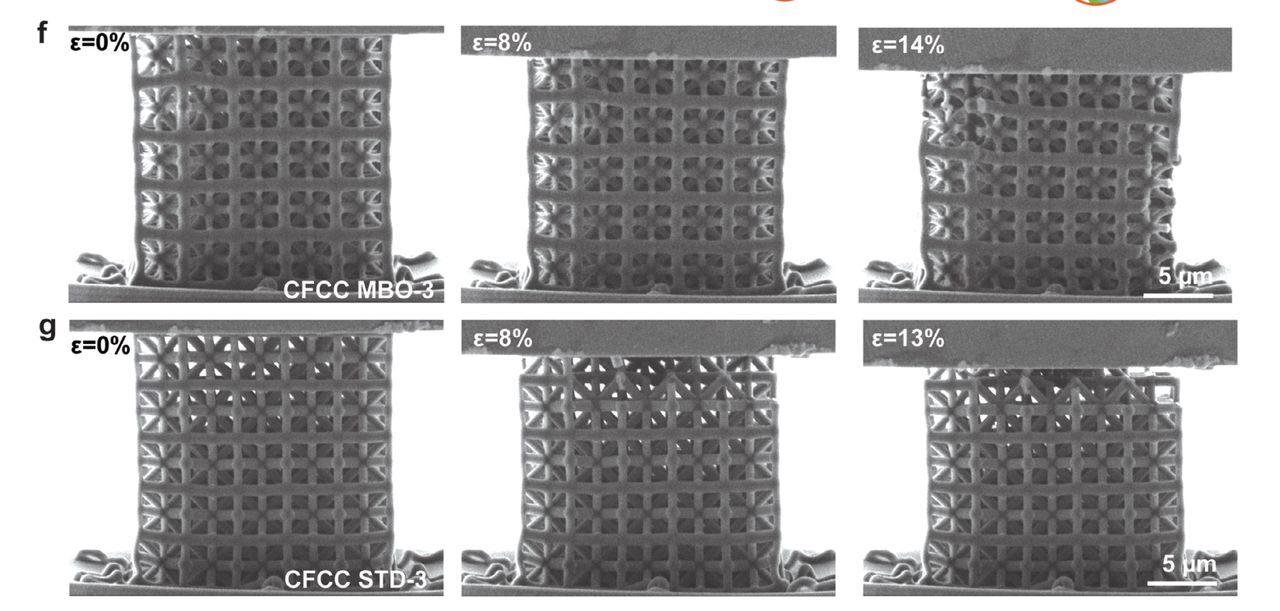
Researchers Use AI to Develop Metamaterial Strong than Steel, but as Light as Foam
Researchers have used AI to develop a metamaterial that is stronger than steel, but lighter than foam.

Golden Shares and Silicon Deals: How U.S. Government Investments Reshape Industry and 3D Printing
Charles R. Goulding and Leah Nabangi explore how unprecedented U.S. government equity deals—from semiconductors to rare earths—are reshaping industry partnerships and creating ripple effects across the 3D printing sector.

Forged in Tariffs: How 3D Printing Is Reinventing the Appliance Industry
In this article, Charles Goulding and Anthony Palumbo examine the Trump administration’s 2025 steel tariffs on imported appliance components, their effect on manufacturers and retailers, and how housing market trends are reshaping appliance demand, all while emphasizing additive manufacturing as a key to domestic supply resilience.
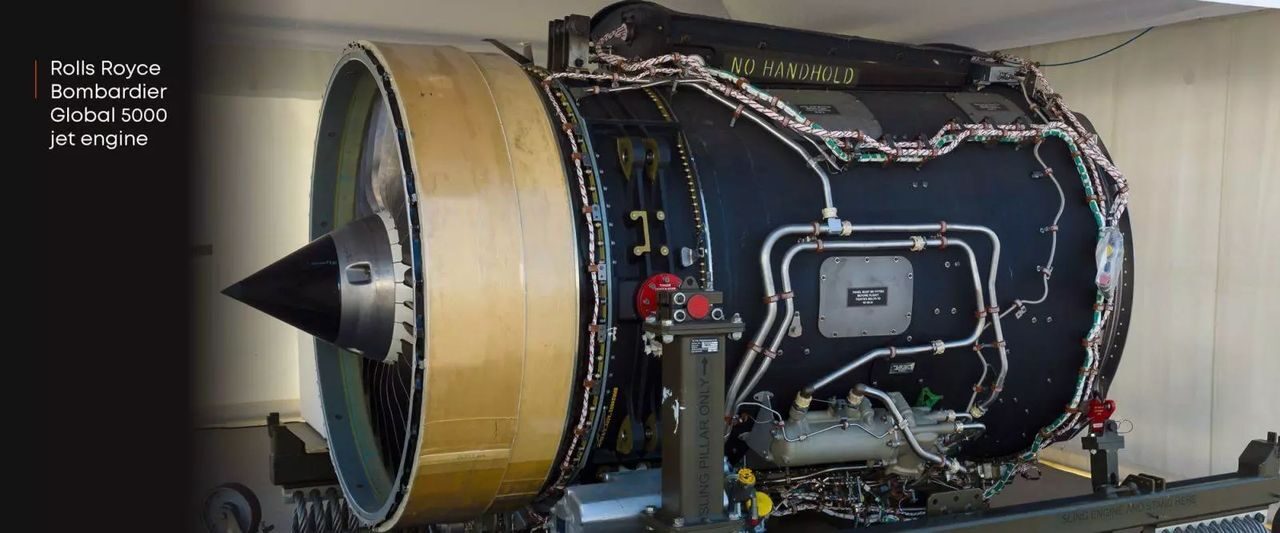
From Tariffs to Takeoff: Why the New Trade Agreement Is a Game-Changer for UK Manufacturing
British Airways
Beyond the direct impacts of the new UK-US trade agreement on aerospace manufacturers like BAE Systems, Rolls-Royce, and Renishaw, the broader aerospace has recently seen significant investment. International Airlines Group (IAG), the parent company of British Airways has made a deal to expand its fleet by purchasing 32 new Boeing planes valued at nearly $13 billion, while also adding 21 Airbus planes for its other airlines, Aer Lingus and Iberia, in a deal worth nearly $8 billion. Furthermore, IAG exercise an option from a previous order to buy an additional 12 aircraft from Airbus and 6 from Boeing, bringing their total order to 71 planes. These large-scale investments in new aircraft from major US and European manufacturers highlight the recent growth in the global aviation market as a result of the new UK-US trade agreement.
British Airways is also exploring innovative technologies to enhance operations and sustainability through the potential use of 3D printers to create aircraft parts in the future. The initiative to place these printers at airports globally is driven by the desire to reduce customer delays caused by waiting for replacement parts and decrease emissions caused by transporting these parts around the world. British Airways predicts to use 3D printing for cabin parts such as tray tables, seats, and in-flight entertainment screens, which, although not critical for flight safety, can cause significant flight delays if unavailable for passenger use. A key benefit to using 3D printing for these parts is sustainability, as 3D printed parts can be made significantly lighter compared to being produced through traditional methods. These 3D printed parts can be significantly lighter, weighing up to 55% less than traditional components, with every kilogram saved reducing up to 25 tons of CO2 emissions during the lifespan of an aircraft. Ricardo Vidal, Head of Innovation at British Airways, views 3D printing technology as more important than ever for a sustainable future, a seamless travel experience, and helping British Airways stay at the forefront of airline innovation.
Jaguar Land Rover
Beyond the aerospace industry, the automotive sector, represented by major UK players like Jaguar Land Rover (JLR), is also leveraging advanced techniques such as 3D printing. With British car exports now eligible for a lower 10% tariff in the US (up to 100,000 vehicles annually), JLR has renewed incentive to optimize and reduce time-to-market. Their investment in Stratasy’s Objet500 Connex 3D printer has become integral to that goal through its resin-based rapid prototyping capabilities. The multi-material printer allows JLR to create models with both flexible and rigid properties directly from CAD data, enabling the production of working mechanisms and reducing production cycles. The company’s design studio and engineering teams rely on these capabilities for fit and function testing, styling refinements and human-machine interface components like key fobs and control switches. One example of this is printing a complete, working facia air vent assembly for a Range Rover Sport, combining rigid materials for housing and blades with rubber-like materials for knobs and seals into a single process that was fully functional right off the machine. More than 2,500 parts have been produced on the Connex system, demonstrating both its reliability and centrality to JLR’s prototyping workflow. As automotive competition intensifies, and sustainability targets grow more urgent, JLR’s use of AM helps reduce development cycles and supports light, more efficient designs – giving them a strategic edge in both performance and trade competitiveness.
The Research & Development Tax Credit
The now permanent Research and Development (R&D) Tax Credit is available for companies developing new or improved products, processes and/or software.
3D printing can help boost a company’s R&D Tax Credits. Wages for technical employees creating, testing and revising 3D printed prototypes are typically eligible expenses toward the R&D Tax Credit. Similarly, when used as a method of improving a process, time spent integrating 3D printing hardware and software can also be an eligible R&D expense. Lastly, when used for modeling and preproduction, the costs of filaments consumed during the development process may also be recovered.
Whether it is used for creating and testing prototypes or for final production, 3D printing is a great indicator that R&D Credit-eligible activities are taking place. Companies implementing this technology at any point should consider taking advantage of R&D Tax Credits.
Conclusion
As the US and UK reshape their trade relationship with the recent trade agreement, both the aerospace and automotive industries emerge as major beneficiaries. The easing of tariffs and enhanced cooperation unlock new opportunities for British manufacturers – whether it’s BAE Systems, Rolls-Royce, or Renishaw driving forward next-generation aerospace innovation, or Jaguar Land Rover accelerating prototyping and design through AM. Even airlines like British Airways are investing in 3D printing to streamline operations and reduce emissions, signaling the wider industrial shift toward sustainable, tech-driven growth. By removing trade barriers and fostering transatlantic collaboration, the agreement ignites Britian’s industrial base and strengths its global competitiveness in defense and advanced manufacturing.

Steel, Safety, and Sustainability: Hyundai’s Advanced Manufacturing Leap
Charles R. Goulding and Preeti Sulibhavi divulge how Hyundai’s $20 billion investment in U.S. manufacturing facilities leverages advanced 3D printing technologies to drive innovation and enhance production efficiency.
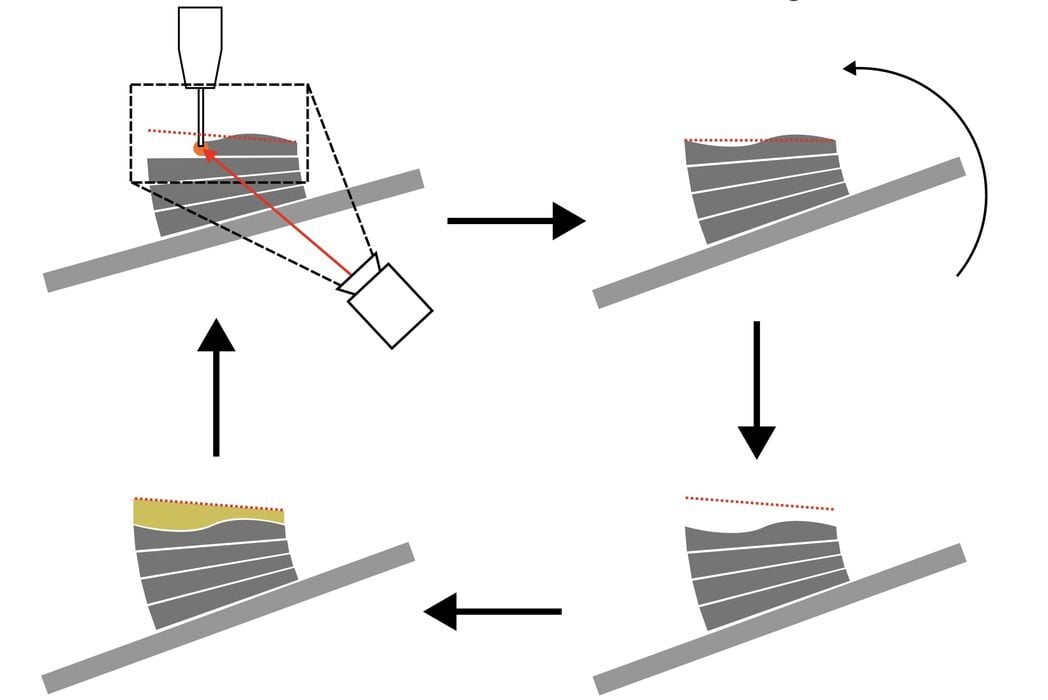
Researchers Achieve Variable Layer Heights in Aluminum WAAM 3D Printing
Researchers have developed a way to 3D print variable height layers in aluminum using WAAM.
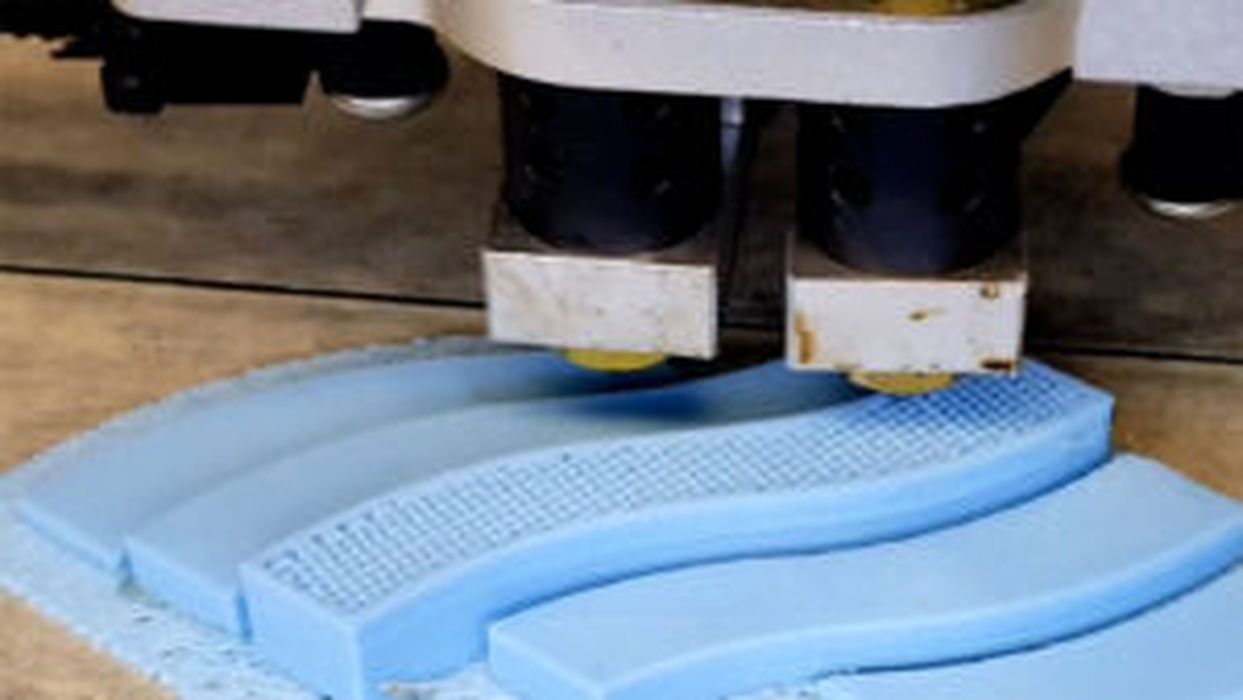
From Tariffs to Tech: How BlueScope is Using 3D Printing to Stay Ahead
Charles R. Goulding and Preeti Sulibhavi expain how BlueScope is leveraging 3D printing technology to innovate, reduce costs, and navigate the challenges posed by U.S. steel tariffs.

From Scrap to Scale: How Nucor Turns Recycled Metal into Industry Gold
Charles R. Goulding and Preeti Sulibhavi underscore Nucor’s innovative edge in steel production, highlighting its green initiatives, advanced technologies, and strategic use of R&D tax credits.
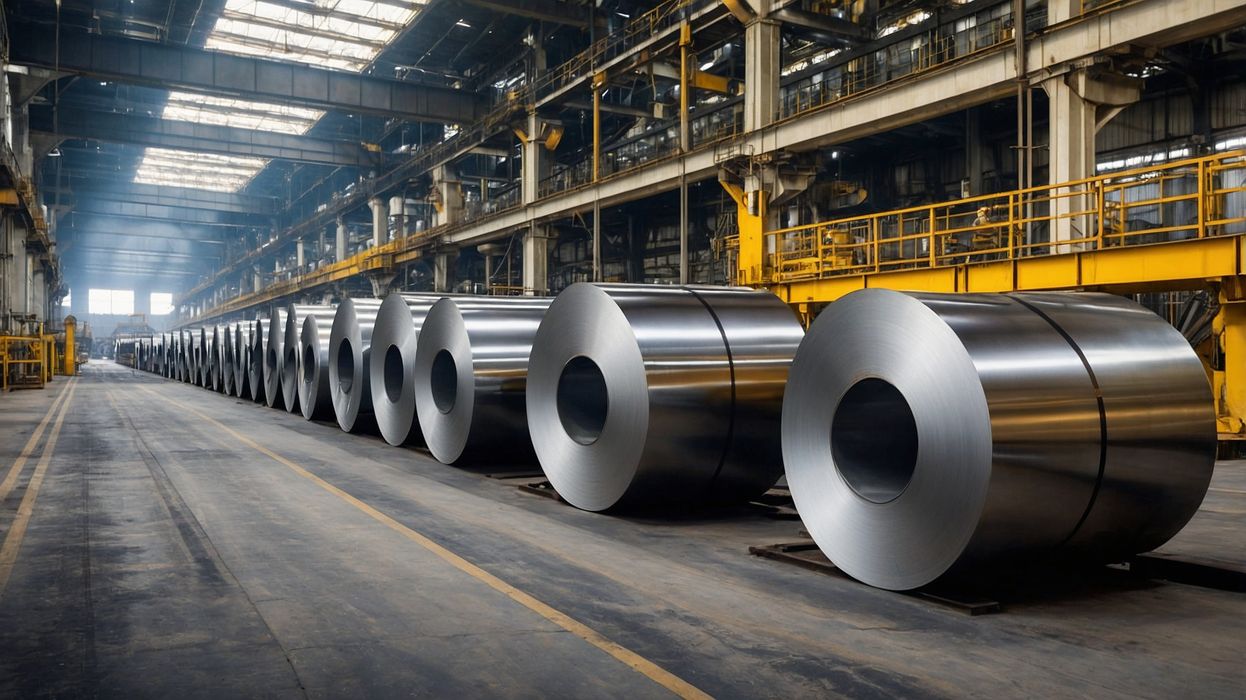
From Coal to Clean: The Rise of Hydrogen Steel in the U.S.
Charles R. Goulding and Preeti Sulibhavi delve into the Biden Administration’s groundbreaking $1 billion investment in hydrogen-powered green steel projects, positioning the U.S. as a leader in sustainable steelmaking.
U.S. Steel’s Acquisition by Nippon Promises Advances in Steel Production and 3D Printing Technology
Charles R. Goulding, Ryan Donley and Preeti Sulibhavi discuss Nippon Steel’s recent acquisition of U.S. Steel.
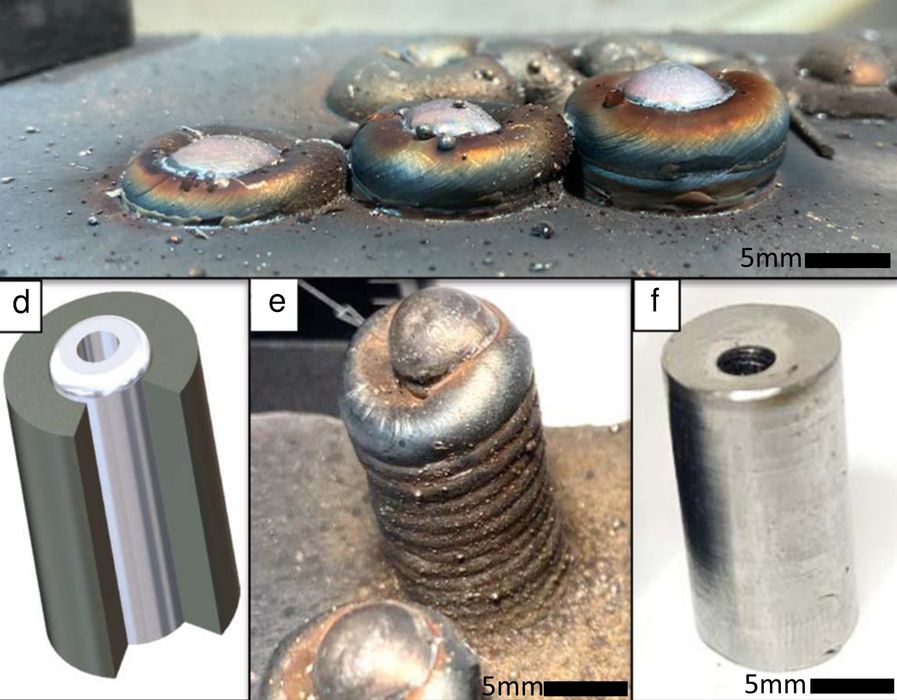
New Metal 3D Printing Technique: Strengthening Parts with a Bimetallic Radial Approach
New research has developed an unusual and inexpensive way to dramatically strengthen metal 3D prints using a bimetallic radial approach.
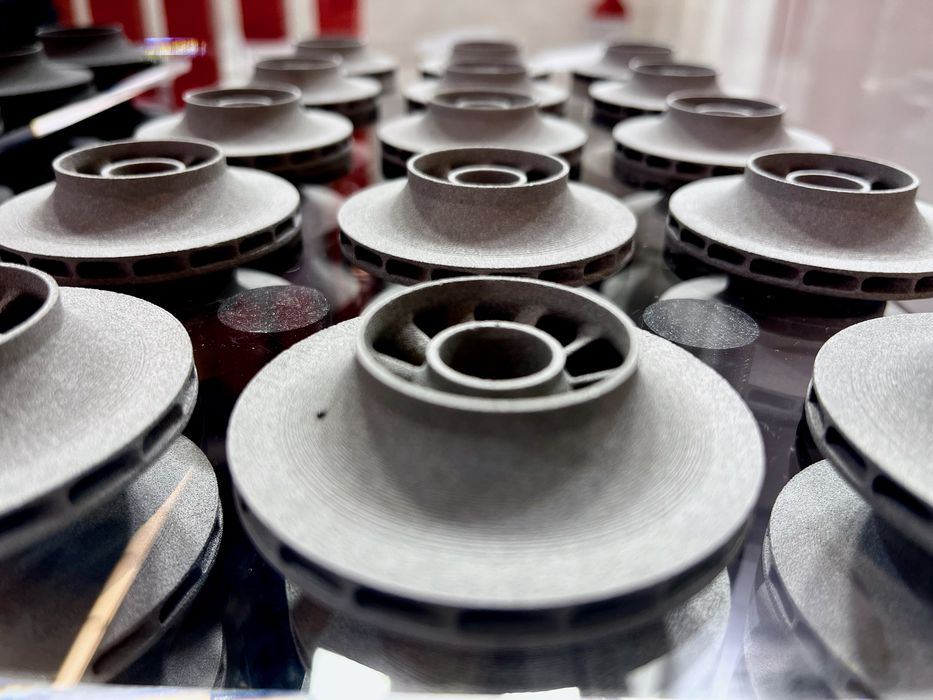
Zero-Emission Steel Production: How Can Additive Manufacturing Assist?
A research paper on a future zero-emission steel future has implications for additive manufacturing.
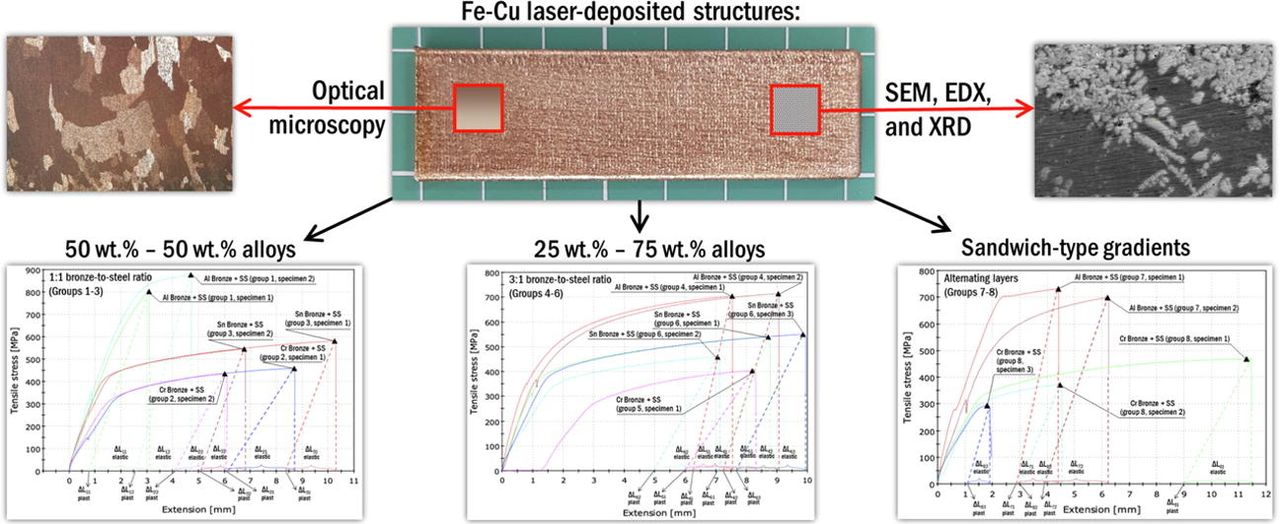
New Research Paper Explores 3D Printing Copper and Steel Within the Same Job
A new research paper describes a method of 3D printing copper and steel within the same job.
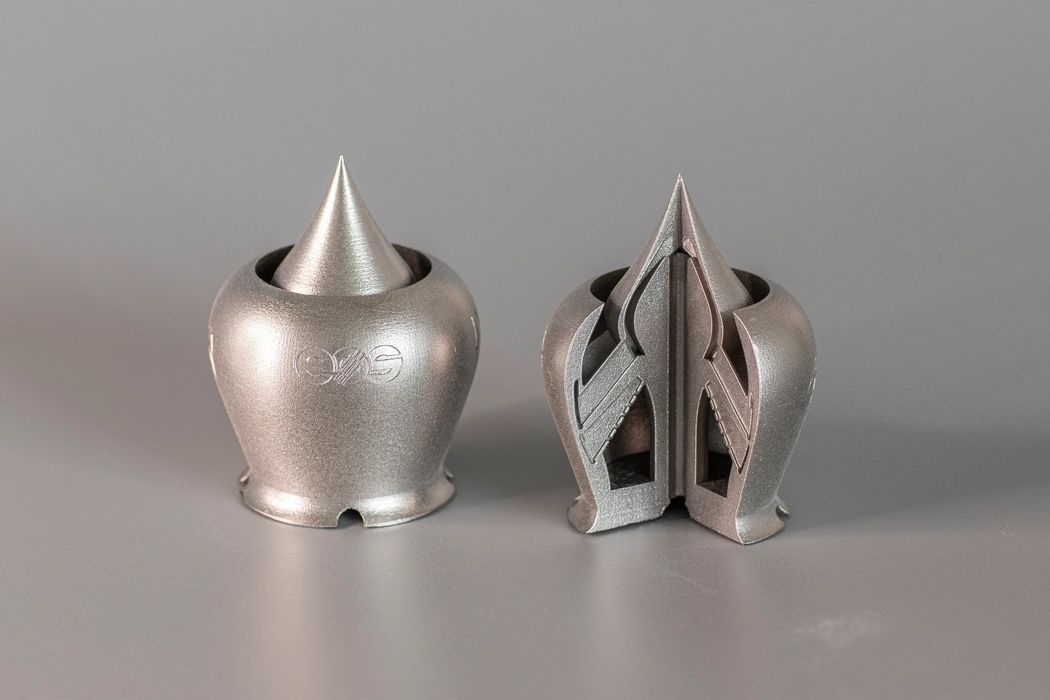
New AM Materials Round Up, August 5, 2022
Several new AM materials were announced in the past week.
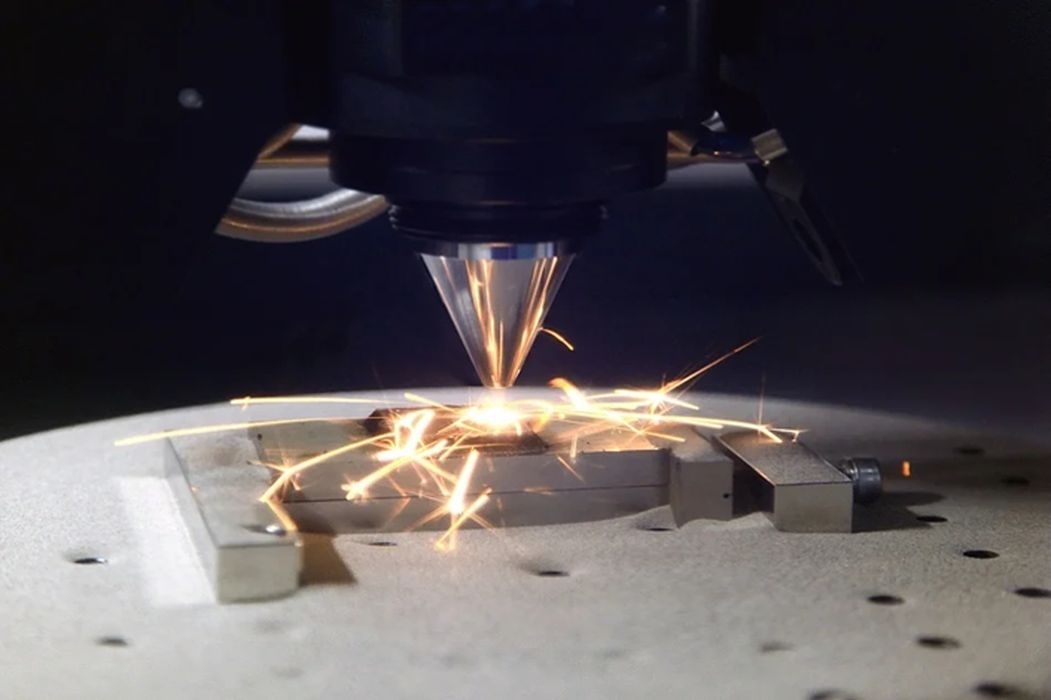
Nucor: Vertical Integration and 3D Printing
Charles R. Goulding and Preeti Sulibhavi look at Nucor’s potential use of 3D printing technology.
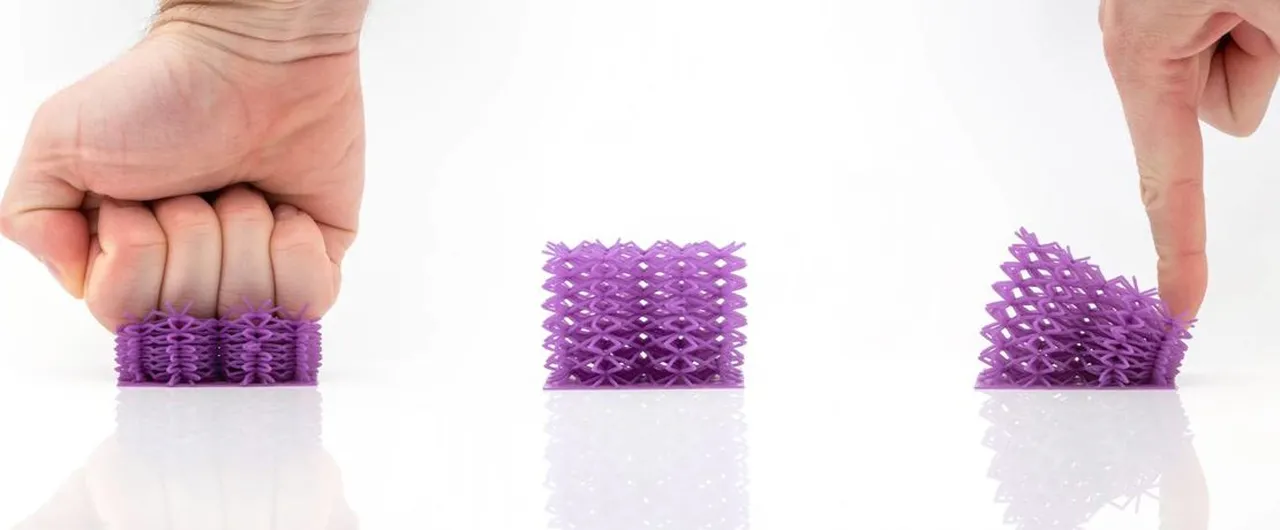
New AM Materials Round Up
Several new AM materials were announced in the past week.
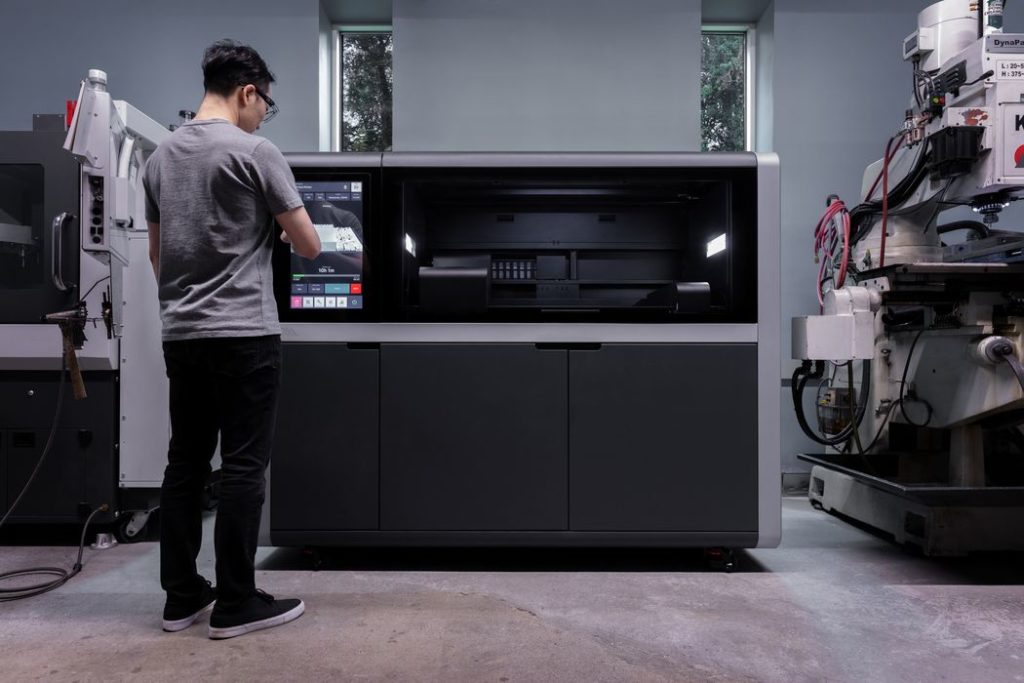
Desktop Metal Expands Materials for Shop System
Desktop Metal announced the availability of 316L steel for their Shop System.
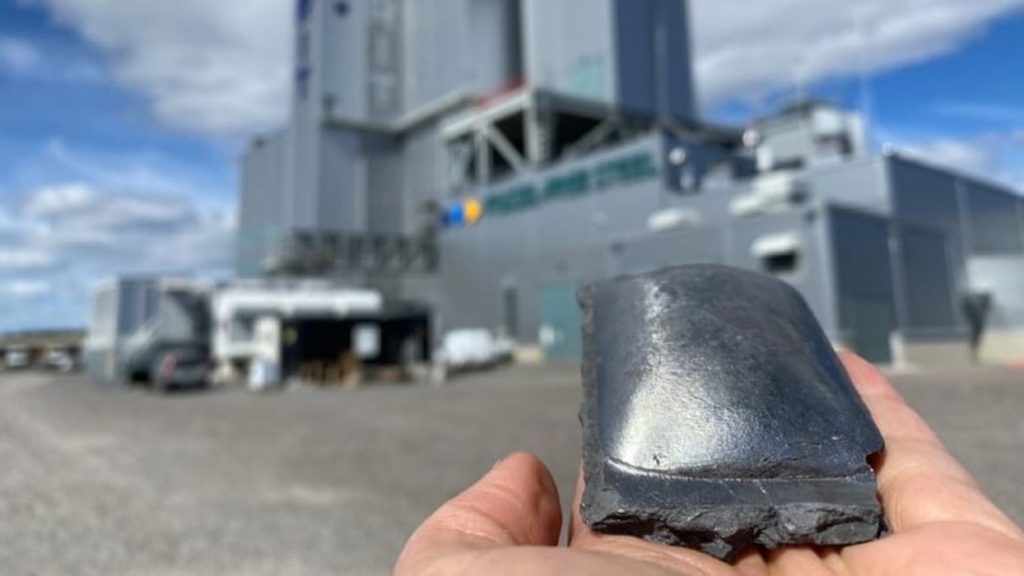
Could Additive Manufacturing Use “Green” Steel?
There’s been an explosion in the popularity of metal additive manufacturing, and that means more use of steel.
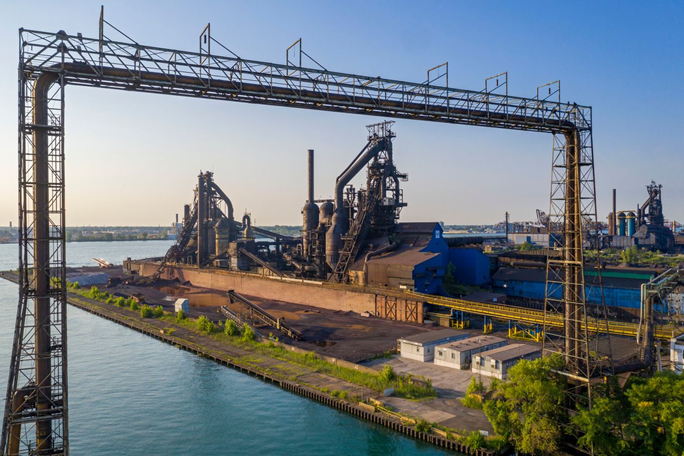
Steel Production Cost Differences And 3D Printing
Charles R. Goulding and Preeti Sulibhavi examine the legacy and high-tech steel environment in the U.S.
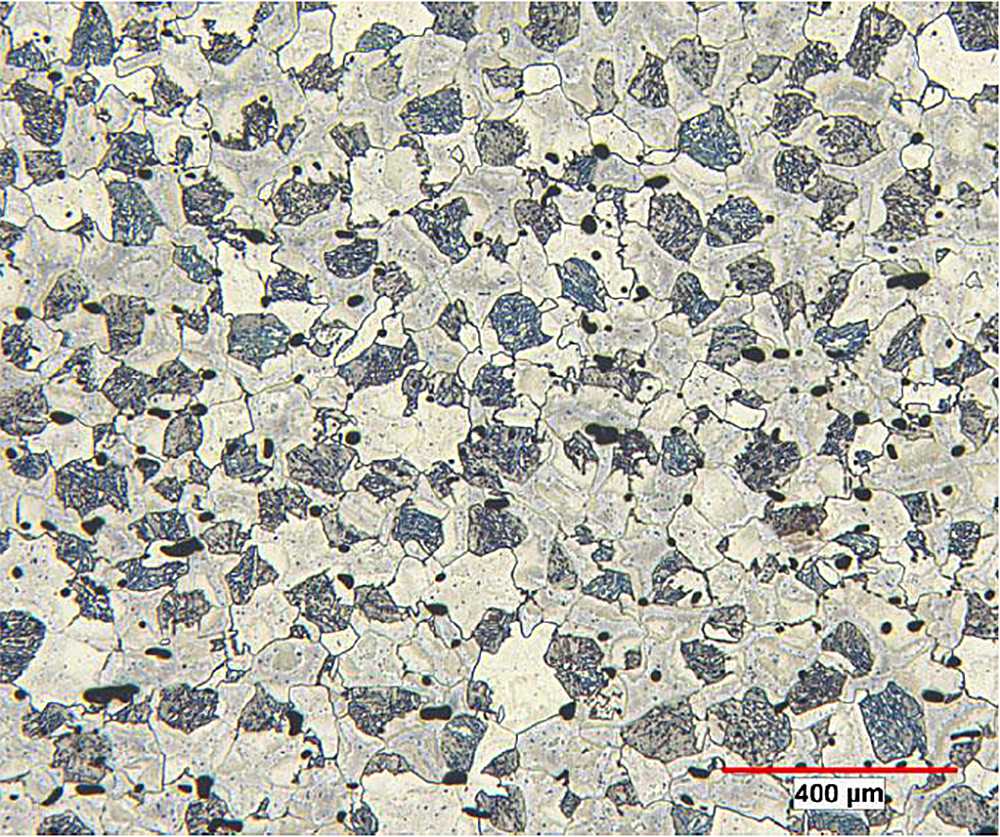
GKN Additive’s Latest 3D Printing Powders Target Automotive Manufacture
Today, GKN Additive announces its latest metal powders for additive manufacturing, adapted from a popular traditional automotive material.
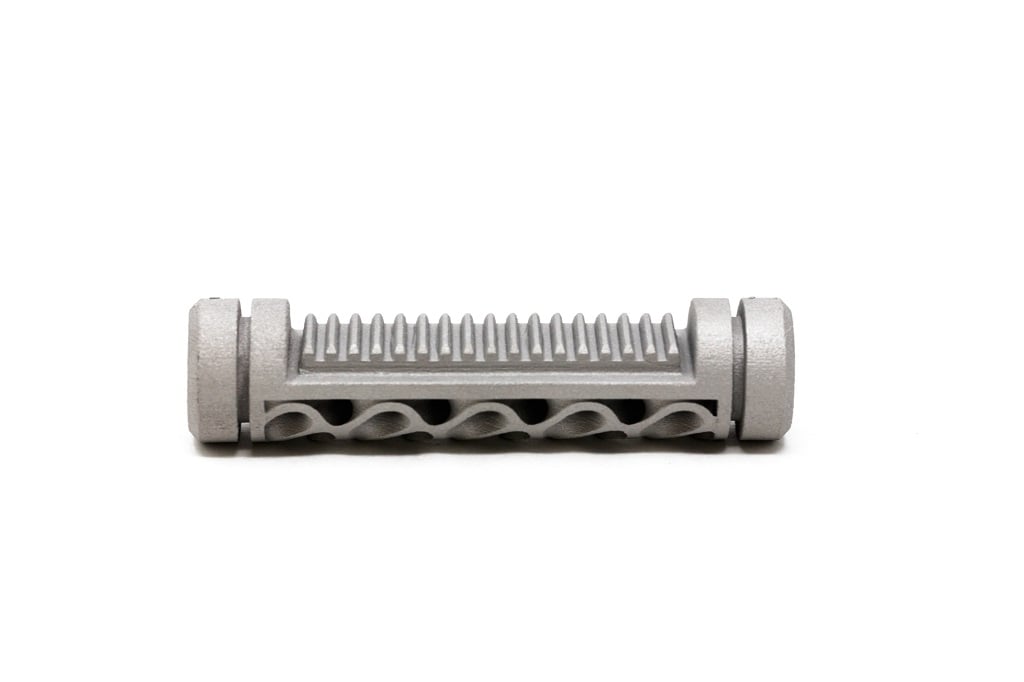
Desktop Metal Qualifies Another Metal For High-Volume Additive Manufacturing
Desktop Metal has announced that 4140 low-alloy steel is now qualified for high-volume use on the Production System platform.

Nucor Steel’s 2020 3D Printing Program
Charles R. Goulding and Preeti Sulibhavi examine 3D printing initiatives in a major steel firm that showed great promise throughout 2020.
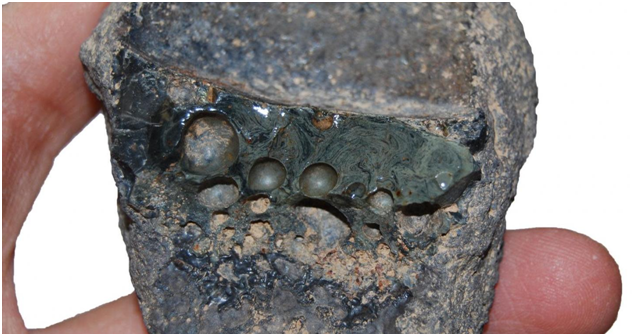
3D Printing And Discovery Of 1,000-Year-Old Stainless Steel Precursor
Charles R. Goulding and Peter Favata consider stainless steel, from a thousand years ago to today’s 3D printable offerings.
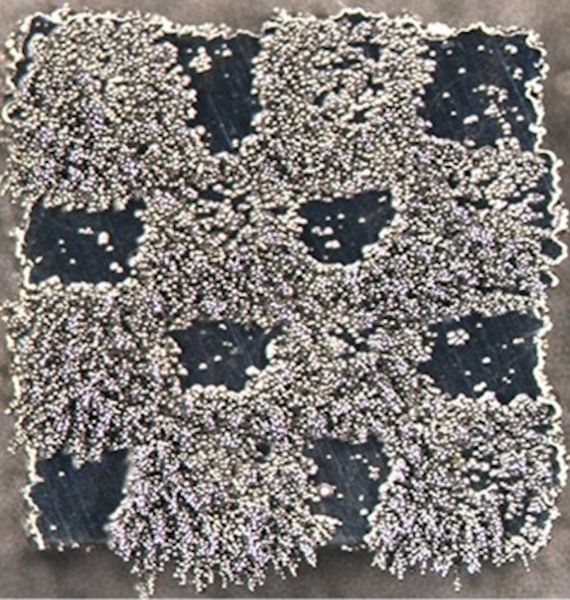
Complex 3D Printed Magnetic Structures
Researchers have demonstrated an approach for creating 3D printed magnetic structures with high resolution.
Lower Cost Steel Mini Mills & Metal 3D Printing
Charles Goulding and Peter Favata of R&D Tax Savers examine steel mini mills and more economical metal 3D printing.
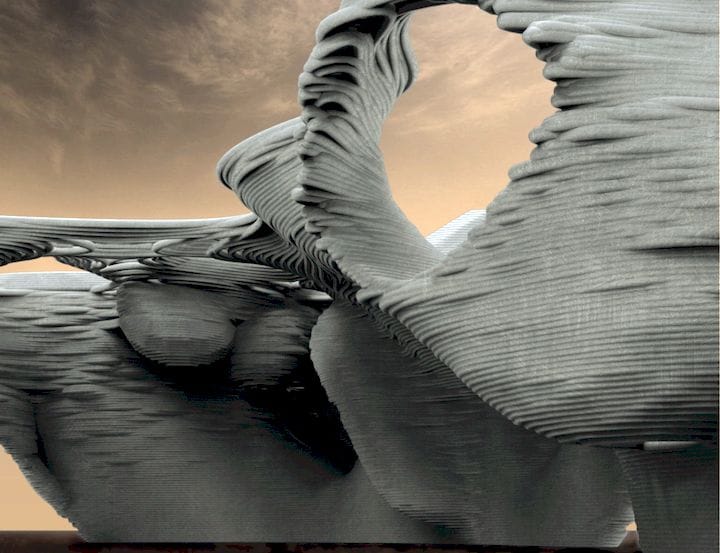
How To Intelligently Reinforce Concrete 3D Prints
Could concrete ever be 3D printed in complex ways? This may come true according to research on how to reinforce extruded concrete for construction.

BASF Launches Steel Filament: Ultrafuse 316L
Want to 3D print metal objects at lower cost? One answer could be to use BASF’s new Ultrafuse 316L stainless steel filament that works in many 3D printers.

Metal 3D Printing Always Playing Catch Up
Metal 3D printing has come a vast distance since it was first introduced some years ago.
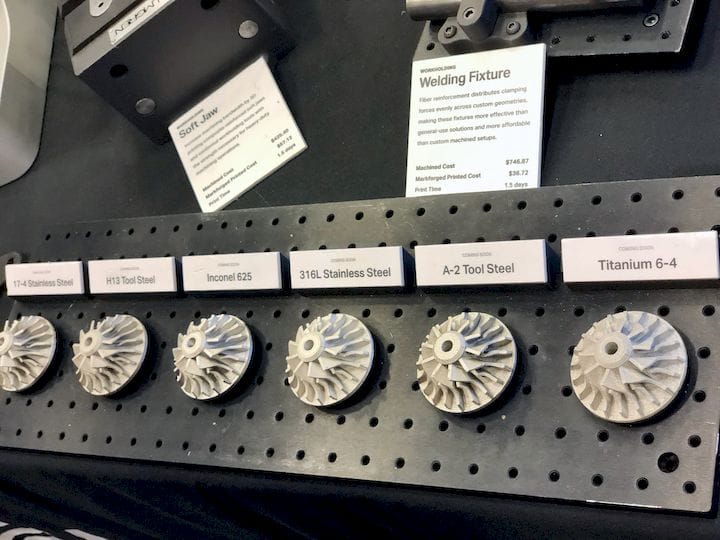
Markforged’s New Materials
It looks like Markforged will be releasing some new metal materials soon.

CoLiDo’s Metal 3D Printer Now Available
After a couple of years of development, Hong Kong-based CoLiDo has released their new metal 3D printer.
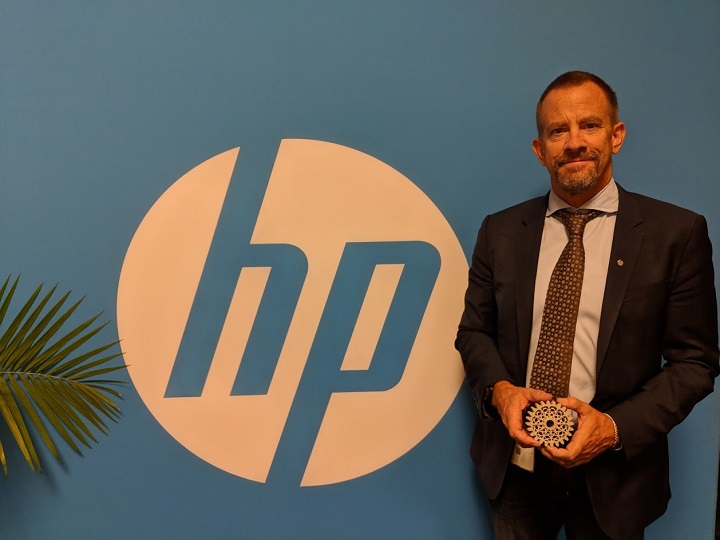
A Chat with HP’s Global Head of 3D Metals
I sat down with HP’s new Global Head of 3D Metals, Dr. Tim Weber, to discuss Metal Jet 3D printing.
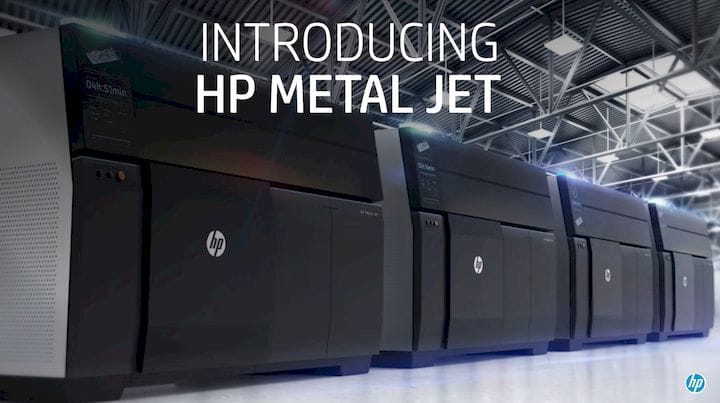
HP Announces New Metal Jet Technology
HP is at long last entering the metal 3D printing market with their new Metal Jet process.
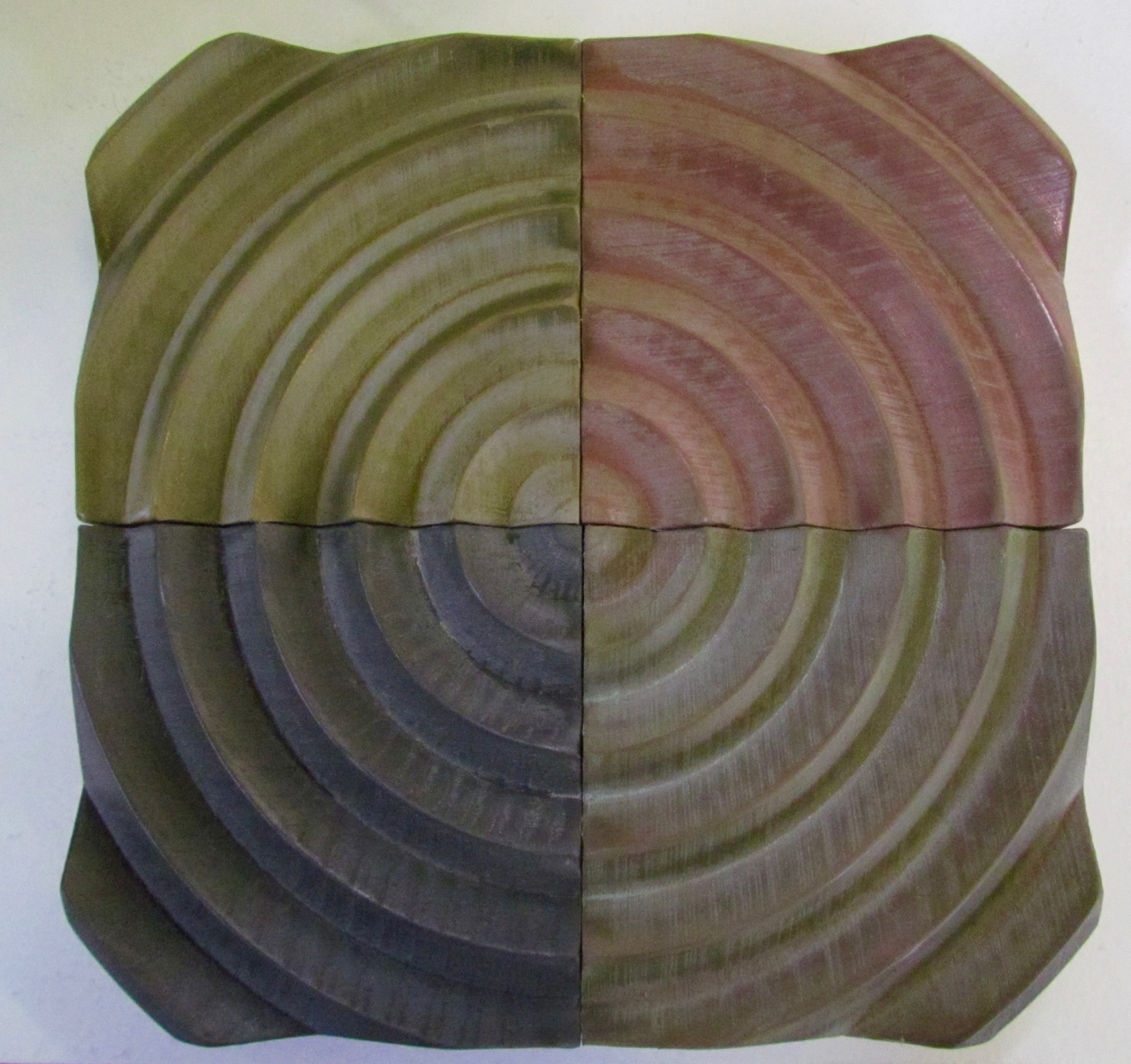
colorFabb Announces Steel 3D Printer Filament
True to form, Netherlands-based colorFabb introduced yet another pioneering 3D printer filament, this time based on Steel.
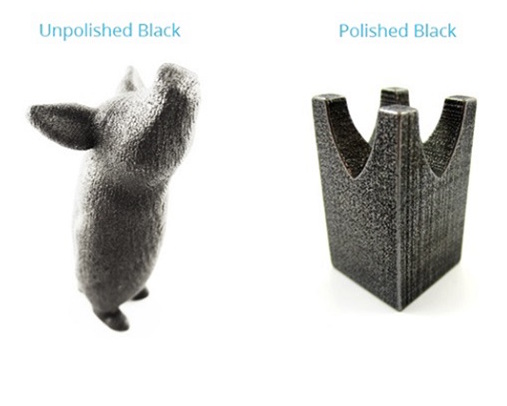
i.Materialise Offers Black Steel 3D Prints and Lowers Pricing
Popular consumer-oriented 3D print service i.Materialise just added a very interesting new material: Black Steel.