
It’s time for an update to our comprehensive list of our “hands on” equipment, software and material reviews.
We do a great deal of testing at Fabbaloo, and some weeks we seem to be doing equipment testing and nothing else. There have been times when we’ve been testing up to six items simultaneously, which is in retrospect, never a good plan.
Nevertheless, we do manage to publish our reviews, some of which are quite lengthy. We’re happy to do them, but we’re not certain you know all of what we’ve done.
Five years ago I put together a very lengthy meta-post listing of all of our review, all the way back to our first review in 2010, twelve years ago. The post allows readers to very quickly find a review, if we’ve made one. We updated the list in 2022 with a lot more reviews.
Since the publication of the 2022 post we’ve done even more reviews, and it is time to update the post. In fact, there are dozens of new reviews, and I’m just realizing this means we are doing a more than one review per month over the past two years. In total we have about 68 3D printer reviews, and 135 unique product and service reviews, many of which are in multiple parts.
This post includes links to ALL of our hands on reviews from 2010 to today, January 2026. We’ll try to publish another update in the future when we’ve done more reviews. For now, use your browser to search for the machines you’re interested in reading about below.
3D Printers
The PP3DP Up! was the first review we ever published, way back in 2010. This device is no longer available, and has long been superceded by other machines.
The venerable BFB 3000 was the device that eventually morphed into the 3D Systems Cube, after the company acquired BFB.
- Hands On With The BFB 3000: Unboxing And Setup
- Hands On With The BFB 3000: Operation
- Hands On With The BFB 3000: Software
The MakiBOX was an early and primitive desktop 3D printer that unfortunately failed after a crowdfunding campaign.
The Ultimaker 2 Extended was Ultimaker’s first venture into larger-volume 3D printers. It’s still a great device today.
- Hands On With The Ultimaker 2 Extended: Unboxing And Setup
- Hands On With The Ultimaker 2 Extended: Software
- Hands On With The Ultimaker 2 Extended: Operations
- Hands On With The Ultimaker 2 Extended: Materials And Conclusion
Sindoh’s first desktop 3D printer changed the landscape as they brought forward easy-to-use control panels for the first time, based on their extensive experience building photocopier machines.
- Hands On With The 3Dwox 3D Printer Part 1: The First Real 3DP For Consumers?
- Hands On With The 3Dwox 3D Printer Part 2: The First Real 3DP For Consumers?
- Hands On With The 3Dwox 3D Printer Part 3: The First Real 3DP For Consumers?
The Replicator+ was MakerBot’s last open-air desktop 3D printer. While it includes a lot of heritage design from previous generations, it also included a new Smart Extruder.
- Hands On With The Replicator+: Part One, Setup
- Hands On With The Replicator+: Part Two, Software
- Hands On With The Replicator+: Part Three, Operations
The Form 2 was Formlabs’ breakout machine. It was the first to appear after their initial relatively rudimentary device, and included a vast array of improvements to every aspect of the machine. Still a great performer.
- Hands On With The Form 2 Desktop 3D Printer, Part 1
- Hands On With The Form 2 Desktop 3D Printer, Part 2
The Prusa i3 line of desktop 3D printers is perhaps the most well-known in the world today; this was their MK2 machine.
XYZprinting’s Da Vinci Jr. 2.0 Mix was an unusual machine that attempted to 3D print objects in multiple colors.
The Creality CR-10 was perhaps the breakout device for the now-large Asian 3D printer manufacturer. This is the “S” version.
Sindoh followed up their initial success with the 3DWOX 1, a vastly capable device that allowed the use of any filament material.
An unusual partnership between BIQU and MyMiniFactory allowed direct 3D printing of 3D models from the online repository.
- Hands On With The BIQU Thunder And The MyMiniFactory App Part 1
- Hands On With The BIQU Thunder And The MyMiniFactory App Part 2
- Hands On With The BIQU Thunder And The MyMiniFactory App Part 3
KODAK’s first proper desktop 3D printer, the KODAK Portrait, is able to 3D print a wide variety of materials using its dual extruder configuration.
- Hands On With The Kodak Portrait 3D Printer: Unboxing And Setup
- Hands On With The Kodak Portrait 3D Printer: Basic Operations
- Hands On With The Kodak Portrait 3D Printer: Advanced Operations
- Hands On With The Kodak Portrait 3D Printer: Final Thoughts
The ANET ET4 is a low-cost 3D printer that was one of the first to use “silent” stepper drivers.
- Hands On With The ANET ET4 3D Printer: Part 1
- Hands On With The ANET ET4 3D Printer: Part 2
- Hands On With The ANET ET4 3D Printer: Part 3
The ANET N4 is a low-cost resin 3D printer capable of 3D printing in relatively high resolution.
The Prusa MINI 3D printer is a re-engineered lower-cost version of the Prusa system that indeed provides excellent print quality.
- Hands On With The Prusa MINI 3D Printer, Part 1
- Hands On With The Prusa MINI 3D Printer, Part 2
- Hands On With The Prusa MINI 3D Printer, Part 3
The Form 3 is Formlabs’ current flagship 3D printer, and it certainly deserves that role.
The Creality LD-006 is a relatively large desktop resin 3D printer.
- Hands on with the Creality LD-006, Part 1
- Hands on with the Creality LD-006, Part 2
- Hands on with the Creality LD-006, Part 3
The Anycubic Vyper is a very good desktop FFF 3D printer.
- Hands on with the Anycubic Vyper 3D Printer, Part 1
- Hands on with the Anycubic Vyper 3D Printer, Part 2
- Hands on with the Anycubic Vyper 3D Printer, Part 3
The Voxelab Aquila X2 is a good desktop FFF 3D printer.
- Hands on with the Voxelab Aquila X2 Desktop 3D Printer, Part 1
- Hands on with the Voxelab Aquila X2 Desktop 3D Printer, Part 2
The HALOT-ONE is a small but powerful desktop resin 3D printing system.
The Voxelab Aries is a competent desktop FFF 3D printer.
- Hands on with the Voxelab Aries 3D Printer, Part 1
- Hands on with the Voxelab Aries 3D Printer, Part 2
The Anycubic Photon Mono X 6K is a high resolution resin 3D printer.
- Hands on with the Anycubic Photon Mono X 6K 3D Printer, Part 1
- Hands on with the Anycubic Photon Mono X 6K 3D Printer, Part 2
- Hands on with the Anycubic Photon Mono X 6K 3D Printer, Part 3
The Voxelab Aquila S2 is a FFF 3D printer.
- Hands on with the Voxelab Aquila S2 3D Printer, Part 1
- Hands on with the Voxelab Aquila S2 3D Printer, Part 2
The Creality Sermoon V1 Pro is an unusual enclosed desktop FFF 3D printer designed for educators.
- Hands on with the Creality Sermoon V1 Pro 3D Printer, Part 1
- Hands on with the Creality Sermoon V1 Pro 3D Printer, Part 2
The Anycubic Kobra is a basic desktop FFF 3D printer.
- Hands on with the Anycubic Kobra Desktop 3D Printer, Part 1
- Hands on with the Anycubic Kobra Desktop 3D Printer, Part 2
- Hands on with the Anycubic Kobra Desktop 3D Printer, Part 3
The Anycubic Photon M3 is a medium-sized desktop resin 3D printer.
- Hands on with the Anycubic Photon M3 3D Printer, Part 1
- Hands on with the Anycubic Photon M3 3D Printer, Part 2
- Hands on with the Anycubic Photon M3 3D Printer, Part 3
The Anycubic M3 Plus is a more advanced desktop resin 3D printer.
- Hands on with the Anycubic M3 Plus 3D Printer, Part 1
- Hands on with the Anycubic M3 Plus 3D Printer, Part 2
- Hands on with the Anycubic M3 Plus 3D Printer, Part 3
The Creality Ender-3 S1 is a more advanced version of the Ender-3 series.
- Hands on with the Creality Ender-3 S1, Part 1
- Hands on with the Creality Ender-3 S1, Part 2
- Hands on with the Creality Ender-3 S1, Part 3
The Pantheon HS3 is an industrial high speed carbon fiber 3D printer.
- Hands on with the Pantheon HS3 High Speed 3D Printer, Part 1
- Hands on with the Pantheon HS3 High Speed 3D Printer, Part 2
The Anycubic Kobra Plus is a more advanced desktop FFF 3D printer.
- Hands on with the Anycubic Kobra Plus 3D Printer, Part 1
- Hands on with the Anycubic Kobra Plus 3D Printer, Part 2
- Hands on with the Anycubic Kobra Plus 3D Printer, Part 3
The Mingda Magician X is a good desktop FFF 3D printer.
- Hands on with the Mingda Magician X 3D Printer, Part 1
- Hands on with the Mingda Magician X 3D Printer, Part 2
- Hands on with the Mingda Magician X 3D Printer, Part 3
The Anycubic D2 DLP 3D printer is a small, but extremely high resolution resin 3D printer.
- Hands on with the Anycubic D2 DLP 3D Printer, Part 1
- Hands on with the Anycubic D2 DLP 3D Printer, Part 2
- Hands on with the Anycubic D2 DLP 3D Printer, Part 3
The SOVOL SV01 Pro 3D Printer is a good desktop 3D printer.
- Hands on with the SOVOL SV01 3D Printer, Part 1
- Hands on with the SOVOL SV01 3D Printer, Part 2
- Hands on with the SOVOL SV01 3D Printer, Part 3
The Kingroon KP5L is a large and competent desktop 3D printer.
- Hands on with the Kingroon KP5L 3D printer, Part 1
- Hands on with the Kingroon KP5L 3D printer, Part 2
- Hands on with the Kingroon KP5L 3D printer, Part 3
The Anycubic Kobra Go is a very inexpensive yet powerful 3D printer kit.
- Hands on with a $189 3D Printer, The Anycubic Kobra, Part 1
- Hands on with a $189 3D Printer, The Anycubic Kobra, Part 2
- Hands on with a $189 3D Printer, The Anycubic Kobra, Part 3
The Anycubic M3 Premium is a terrific tabletop resin 3D printer
- Hands On With The Anycubic M3 Premium 3D Printer, Part 1
- Hands On With The Anycubic M3 Premium 3D Printer, Part 2
- Hands On With The Anycubic M3 Premium 3D Printer, Part 3
The LulzBot TAZ Sidekick 3D printer is an open gantry, robust desktop FFF 3D printer.
- Hands On With The LulzBot TAZ Sidekick 3D Printer, Part 1
- Hands On With The LulzBot TAZ Sidekick 3D Printer, Part 2
- Hands On With The LulzBot TAZ Sidekick 3D Printer, Part 3
We tested the Anycubic Photon M5S resin 3D printer.
- Hands On With The Anycubic Photon M5s 3D Printer, Part 1
- Hands On With The Anycubic Photon M5s 3D Printer, Part 2
- Hands On With The Anycubic Photon M5s 3D Printer, Part 3
The Anycubic Photo M5s 3D printer turned out to be quite a machine.
- Hands On With The Anycubic Photon M5s 3D Printer, Part 1
- Hands On With The Anycubic Photon M5s 3D Printer, Part 2
- Hands On With The Anycubic Photon M5s 3D Printer, Part 3
The Anycubic Kobra 2 was one of the company’s first high speed devices.
- Hands On With The High Speed Anycubic Kobra 2 3D Printer, Part 1
- Hands On With The High Speed Anycubic Kobra 2 3D Printer, Part 2
- Hands On With The High Speed Anycubic Kobra 2 3D Printer, Part 3
The Voxelab Aquila D1 is an open gantry FFF 3D printer.
- Hands On With The Voxelab Aquila D1 3D Printer, Part 1
- Hands On With The Voxelab Aquila D1 3D Printer, Part 2
- Hands On With The Voxelab Aquila D1 3D Printer, Part 3
The Kingroon KP3S is an open gantry FFF 3D printer.
- Hands On With The Kingroon KP3S Pro S1, Part 1
- Hands On With The Kingroon KP3S Pro S1, Part 2
- Hands On With The Kingroon KP3S Pro S1, Part 3
The Flashforge Adventurer Pro 4 is a fully enclosed FFF 3D printer.
- Hands On With The Flashforge Adventurer Pro 4, Part 1
- Hands On With The Flashforge Adventurer Pro 4, Part 2
- Hands On With The Flashforge Adventurer Pro 4, Part 3
The Creality Ender-3 V3 SE is a popular desktop FFF 3D printer.
- Hands On With The Creality Ender-3 V3 SE, Part 1
- Hands On With The Creality Ender-3 V3 SE, Part 2
- Hands On With The Creality Ender-3 V3 SE, Part 3
The Kingroon KLP1 is a high speed, fully enclosed 3D printer.
- Hands On With The Kingroon KLP1 High Speed 3D Printer, Part 1
- Hands On With The Kingroon KLP1 High Speed 3D Printer, Part 2
- Hands On With The Kingroon KLP1 High Speed 3D Printer, Part 3
The Raise3D Pro3 Plus is a very tall and fast 3D printer.
- Hands On With The Raise3D Pro3 Plus Hyper Speed 3D Printer, Part 1
- Hands On With The Raise3D Pro3 Plus Hyper Speed 3D Printer, Part 2
- Hands On With The Raise3D Pro3 Plus Hyper Speed 3D Printer, Part 3
The METHOD X is one of the last MakerBot 3D printers.
- Hands On With The Method X 3D Printer, Part 1
- Hands On With The Method X 3D Printer, Part 2
- Hands On With The Method X 3D Printer, Part 3
- Hands On With The Method X 3D Printer, Part 4
Anker’s AnkerMake M5C is a very good open gantry FFF 3D printer.
- Hands On with the AnkerMake M5C 3D Printer, Part 1
- Hands On with the AnkerMake M5C 3D Printer, Part 2
- Hands On with the AnkerMake M5C 3D Printer, Part 3
The Bambu Lab A1 Mini is a terrific starter FFF 3D printer
- Hands On With The Bambu Lab A1 mini, Part 1
- Hands On With The Bambu Lab A1 mini, Part 2
- Hands On With The Bambu Lab A1 mini, Part 3
- Hands On With The Bambu Lab A1 mini, Part 4
The Artillery Sidewinder X3 Pro is a competent open gantry FFF 3D printer.
- Hands On With The Artillery Sidewinder X3 Pro 3D Printer, Part 1
- Hands On With The Artillery Sidewinder X3 Pro 3D Printer, Part 2
- Hands On With The Artillery Sidewinder X3 Pro 3D Printer, Part 3
The Bambu Lab A1 is the company’s largest bedslinger 3D printer.
- Hands On With The Bambu Lab A1 3D Printer, Part 1
- Hands On With The Bambu Lab A1 3D Printer, Part 2
- Hands On With The Bambu Lab A1 3D Printer, Part 3
The Creality Ender-3 KE 3D printer modernizes some functions.
- Hands on with the Creality Ender-3 KE 3D Printer, Part 1
- Hands on with the Creality Ender-3 KE 3D Printer, Part 2
- Hands on with the Creality Ender-3 KE 3D Printer, Part 3
Kingroon’s KP3S Pro V2 provides higher speeds in an open gantry format.
- Hands on with the Kingroon KP3S Pro V2, Part 1
- Hands on with the Kingroon KP3S Pro V2, Part 2
- Hands on with the Kingroon KP3S Pro V2, Part 3
The Anycubic Photon Mono M5S Pro is a more refined resin 3D printer.
- Hands On With The Anycubic Photon Mono M5S Pro, Part 1
- Hands On With The Anycubic Photon Mono M5S Pro, Part 2
- Hands On With The Anycubic Photon Mono M5S Pro, Part 3
The Anycubic Photon Mono M7 Pro is a very good resin 3D printer.
- Hands On With The Anycubic Photon Mono M7 Pro 3D Printer, Part 1
- Hands On With The Anycubic Photon Mono M7 Pro 3D Printer, Part 2
- Hands On With The Anycubic Photon Mono M7 Pro 3D Printer, Part 3
- Hands On With The Anycubic Photon Mono M7 Pro 3D Printer, Part 4
The Anycubic Kobra 3 Combo is the company’s first multicolor 3D printer.
- Hands On With The Anycubic Kobra 3 Combo, Part 1
- Hands On With The Anycubic Kobra 3 Combo, Part 2
- Hands On With The Anycubic Kobra 3 Combo, Part 3
The Elegoo Saturn 4 Ultra is a refined resin 3D printer.
- Hands On with the Elegoo Saturn 4 Ultra 3D Printer, Part 1
- Hands On with the Elegoo Saturn 4 Ultra 3D Printer, Part 2
- Hands On with the Elegoo Saturn 4 Ultra 3D Printer, Part 3
The Creality Ender-3 V3 continues the venerable line of desktop FFF 3D printers.
- Hands on with the Creality Ender-3 V3 3D Printer, Part 1
- Hands on with the Creality Ender-3 V3 3D Printer, Part 2
- Hands on with the Creality Ender-3 V3 3D Printer, Part 3
The Formlabs 4L is a large and very powerful resin 3D printer.
- Hands On With The Formlabs Form 4L, Part 1
- Hands On With The Formlabs Form 4L, Part 2
- Hands On With The Formlabs Form 4L, Part 3
The Anycubic Photon Mono 4 Ultra is a terrific resin 3D printer.
- Hands On With The Anycubic Photon Mono 4 Ultra 3D Printer, Part 1
- Hands On With The Anycubic Photon Mono 4 Ultra 3D Printer, Part 2
- Hands On With The Anycubic Photon Mono 4 Ultra 3D Printer, Part 3
The Anycubic Photon Mono M7 Max is quite a large resin 3D printer.
- Hands On With The Anycubic Photon Mono M7 Max 3D Printer, Part 1
- Hands On With The Anycubic Photon Mono M7 Max 3D Printer, Part 2
- Hands On With The Anycubic Photon Mono M7 Max 3D Printer, Part 3
The Elegoo Centauri Carbon is one of the most anticipated 3D printers.
- Hands On With The Elegoo Centauri Carbon 3D Printer, Part 1
- Hands On With The Elegoo Centauri Carbon 3D Printer, Part 2
- Hands On With The Elegoo Centauri Carbon 3D Printer, Part 3
The Anycubic Kobra S1 Combo is the company’s first enclosed 3D printer with multicolor capability.
- Hands on with the Anycubic Kobra S1 Combo, Part 1
- Hands on with the Anycubic Kobra S1 Combo, Part 2
- Hands on with the Anycubic Kobra S1 Combo, Part 3
The Creality Hi 3D printer is a low-cost, reasonable option.
- Hands on with the Creality Hi 3D Printer, Part 1
- Hands on with the Creality Hi 3D Printer, Part 2
- Hands on with the Creality Hi 3D Printer, Part 3
- Hands on with the Creality Hi 3D Printer, Part 4
The Bambu Lab H2S is a huge, high quality single extruder 3D printer
- Hands On With The Bambu Lab H2S 3D Printer, Part 1
- Hands On With The Bambu Lab H2S 3D Printer, Part 2
- Hands On With The Bambu Lab H2S 3D Printer, Part 3
- Hands On With The Bambu Lab H2S 3D Printer, Part 4
The Bambu Lab H2D is the company’s flagship 3D printer.
- Hands On with the Bambu Lab H2D 3D Printer, Part 1
- Hands On with the Bambu Lab H2D 3D Printer, Part 2
- Hands On with the Bambu Lab H2D 3D Printer, Part 3
The Creality K2 Combo is an enclosed, multimaterial 3D printer.
- Hands On with the Creality K2 Combo 3D Printer, Part 1
- Hands On with the Creality K2 Combo 3D Printer, Part 2
- Hands On with the Creality K2 Combo 3D Printer, Part 3
- Hands On with the Creality K2 Combo 3D Printer, Part 4
The Creality K2 Pro Combo improves on the K2 experience.
- Hands on with the Creality K2 Pro Combo, Part 1
- Hands on with the Creality K2 Pro Combo, Part 2
- Hands on with the Creality K2 Pro Combo, Part 3
- Hands on with the Creality K2 Pro Combo, Part 4
3D Hardware & Accessories
The Finishing Touch was a special device from Stratasys to smooth ABS 3D prints using vapor.
The GeoMagic Touch is a haptic controller for 3D design.
The Spectrom color system was an early attempt at automatically changing filaments on a single extruder 3D printer.
The XTC-3D system is an epoxy mix that can, when applied like paint, smooth the surfaces of layered 3D prints.
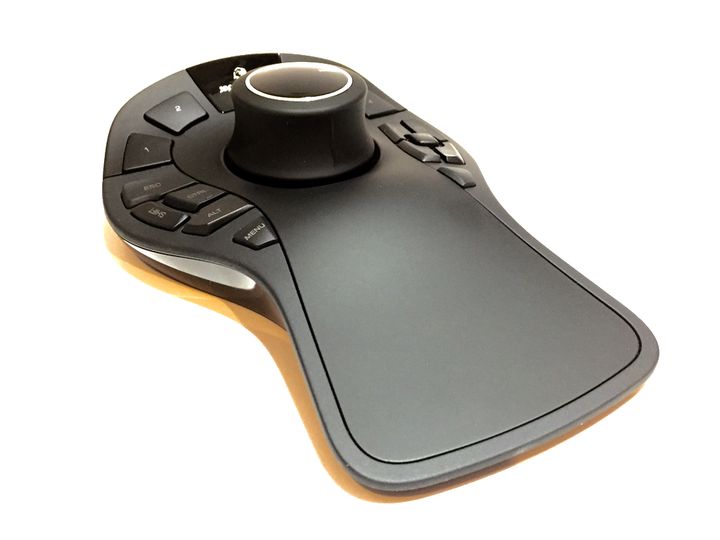
3DConnexion’s SpaceMouse Pro is one of their 3D mouse units. Highly recommended for 3D design tools.
Sindoh released a special cartridge that allows the use of any filament.
Retouch3D was a special set of heated tools that could be employed to repair or smooth 3D prints.
The Prusa MMU2S is an accessory that converts the single material device into one that handles up to five filaments at once.
- Hands On With The Prusa MMU2S, Part 1
- Hands On With The Prusa MMU2S, Part 2
- Hands On With The Prusa MMU2S, Part 3
The Anycubic AirPure is an inexpensive air filtration device designed for use with any resin 3D printer.
We gave Anycubic’s Wash & Cure Max station a test.
- Hands On With The Anycubic Wash & Cure Max, Part 1
- Hands On With The Anycubic Wash & Cure Max, Part 2
The Mintion Beagle 2 Webcam provide a real time view of a 3D printer if no onboard camera exists.
Thought3D’s Drywise Inline Filament Dryer is an amazing device.
- Hands On With The Drywise In-Line Filament Dryer, Part 1
- Hands On With The Drywise In-Line Filament Dryer, Part 2
- Hands On With The Drywise In-Line Filament Dryer, Part 3
3DLAC’s glue stick is quite useful.
Bambu Lab’s A1 Heat Bed Retrofit is a required upgrade.
The BENQ IdeaCam S1 Plus is ideal for examining surface quality of 3D prints.
We tested SUNLU’s Post Processing Station.
- Hands On With Sunlu’s Post Processing Station, Part 1
- Hands On With Sunlu’s Post Processing Station, Part 2
We had an interesting experience with Formlabs’ Resin Pump system.
The PlateCycler allows for continuous printing on the Bambu Lab A1 Mini.
3D Software
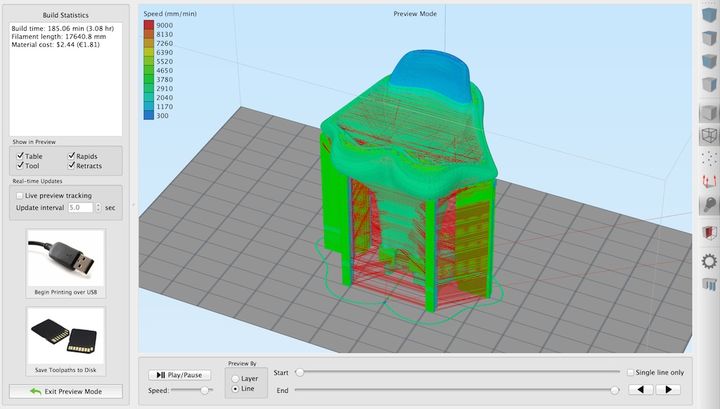
Cheetah3D is an inexpensive 3D design tool.
ReconstructMe is an open source tool for capturing 3D scans.
Simplify3D is a popular third party 3D print slicing utility.
One of the first attempts at web-based 3D modeling was Honeycomb.
Smoothie 3D was a tool for converting 2D images into 3D models.
Morphie is an iPad-based simple 3D modeling tool.
Autodesk’s Sculpt+ is a powerful 3D sculpting tool.
Thingiverse++ is a Google Chrome add-on that makes Thingiverse a lot more usable.
Teton Simulation has introduced Smart Slice for Cura.
Thangs announced a new augmented reality feature, so we tested it.
Superslicer is a PrusaSlicer clone that adds comprehensive calibration features, which we tested.
Imagine 3D is an AI powered system to generated 3D models using text to 3D technology.
We tested FishCAD.
We tested a new part system, Part3D.
3D Scanners
Skanect is software that can be used with inexpensive 3D cameras, like the Kinect, to develop full 3D models.
Trnio is an inexpensive mobile app that can capture 3D scans using photogrammetry.
The ES360 is a desktop turntable-based 3D scanning system.
Capture is an inexpensive pay-per-scan mobile 3D scanning app that uses the phone’s depth camera.
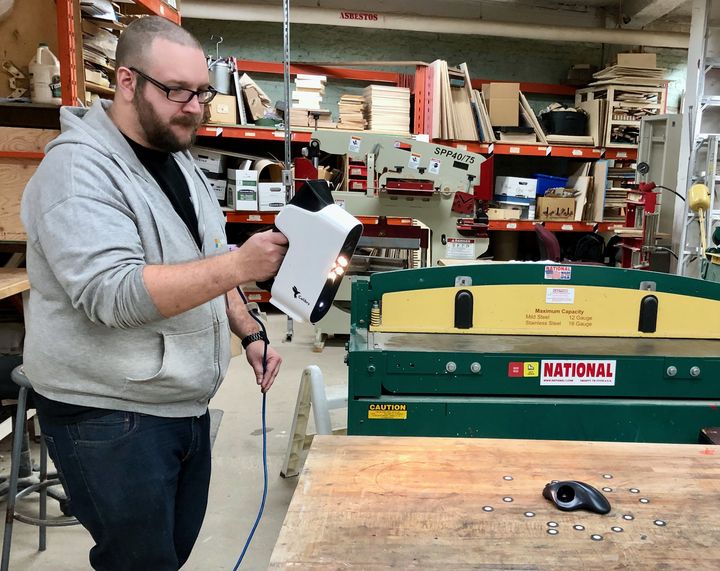
The Calibry 3D scanner is a powerful handheld device that can operate in multiple modes and is available at low cost.
- Hands On With The Calibry 3D Scanner, Part 1
- Hands On With The Calibry 3D Scanner, Part 2
- Hands On With The Calibry 3D Scanner, Part 3
- Hands On With The Calibry 3D Scanner, Part 4
Apple’s Object Capture is a new way to 3D scan objects.
The Artec Leo is a powerful, industrial-level full featured handheld 3D scanner.
- Hands on with the Artec Leo 3D Scanner, Part 1
- Hands on with the Artec Leo 3D Scanner, Part 2
- Hands on with the Artec Leo 3D Scanner, Part 3
The Creality CR-Lizard is a powerful desktop 3D scanning system.
RealityScan is a smartphone app that performs 3D scanning.
Scaniverse is a smartphone app that generates free 3D scans.
Scenario is another smartphone 3D scanning app.
Scanamaze is a free smartphone app that performs photogrammetry-based 3D scanning.
We tested 3DMAKERPRO’s Mole 3D Scanner.
- Hands On With The Mole 3D Scanner, Part 1
- Hands On With The Mole 3D Scanner, Part 2
- Hands On With The Mole 3D Scanner, Part 3
AESUB’s 3D Scanning spray is an essential accessory for 3D scanning
We tested 3DMAKERPRO’s Seal 3D Scanner.
- Hands On With The 3DMakerpro3DMakerpro Seal 3D Scanner, Part 1
- Hands On With The 3DMakerpro3DMakerpro Seal 3D Scanner, Part 2
- Hands On With The 3DMakerpro3DMakerpro Seal 3D Scanner, Part 3
The 3DMAKERPRO Moose Lite 3D Scanner works quite well.
- Hands On With The 3DMakerPro Moose Lite 3D Scanner, Part 1
- Hands On With The 3DMakerPro Moose Lite 3D Scanner, Part 2
- Hands On With The 3DMakerPro Moose Lite 3D Scanner, Part 3
3D Print Materials
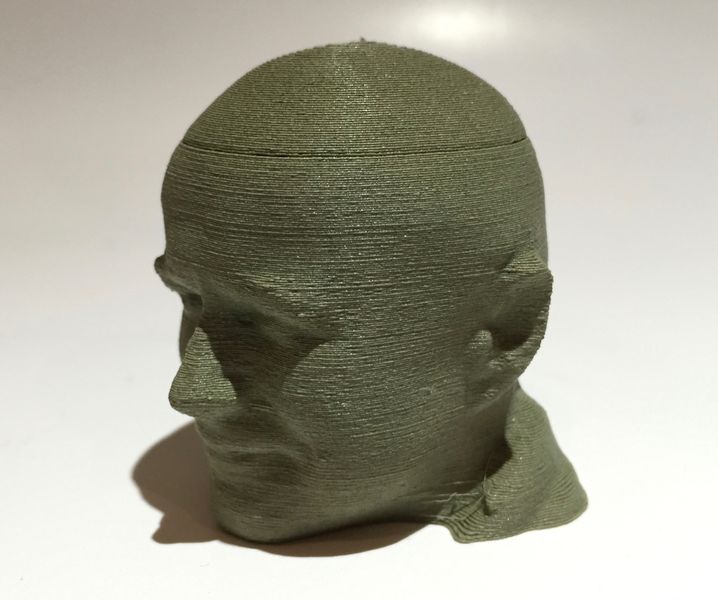
“HIPS” is a popular 3D print material.
colorFabb’s original 3D printer material.
colorFabb’s partnership with a chemical company resulted in the first 3D print-dedicated material, Amphora.
Verbatim unleashed a few of their many unusual materials to the 3D print world.
Feelcolor is a provider of useful 3D printer filaments.
Before you try Algae filaments, read this.
Fiberlogy produces a terrific flexible filament.
We tested several filaments from Fiberlogy, including HD, Flex, Mineral and Wood.
MakerBot produced a special “Tough” PLA material to use on their machines that could not 3D print ABS.
PLAS3D produces some amazing 3D printer filaments.
We tested a “silk” filament from Fiberlogy.
We tested Fiberlogy’s recycled PLA and their PETG offerings.
Carima offers a unique CMYK color mixing resin kit that is non toxic.
- Hands On With Carima CMYK Non-Toxic 3D Printer Resin, Part 1
- Hands On With Carima CMYK Non-Toxic 3D Printer Resin, Part 2
Anycubic’s High Clear Resin can produce perfectly clear 3D prints
Polymaker’s HT-PLA can withstand higher temperatures.
GenPHA is a fully biodegradable 3D printer filament.
3D Services
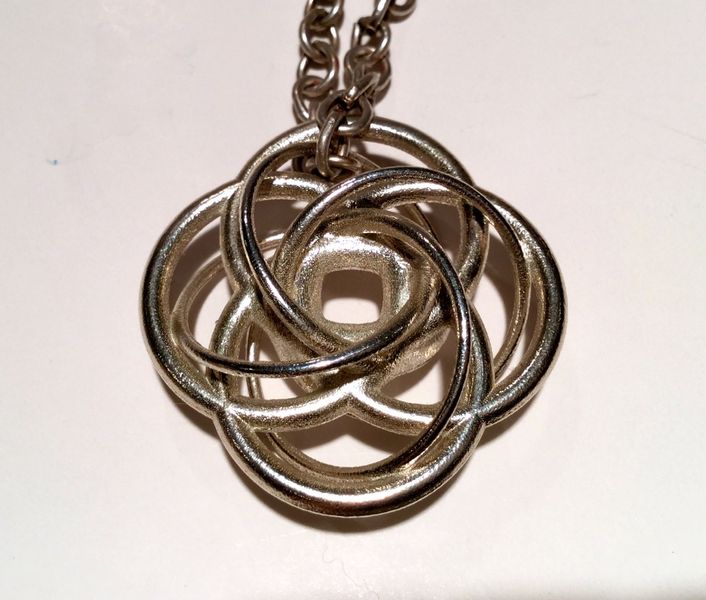
Authentise provides a secure streaming option for 3D printing.
3DPrinterOS provides a cloud-based streaming 3D printing service.
Uformit offers a generative design service for unusual 3D prints.
MakePrintable is an online service to quickly repair damaged 3D models.
